Table of Contents

28 January 2026, Volume 64 Issue 1
Cover illustration: In addition to its towering peaks, the Himalayas also feature some of the world’s deepest and most spectacular gorges. These striking landforms create diverse habitats, fostering remarkable biodiversity and high endemism. As a result, the Himalayas are a vital cradle for unique plant and animal life, shaping the region into one of Earth’s richest ecological treasures. The cover image captures the dramatic Tsapong gorge below Namcha Barwa, where a staggering 4000-meter difference in elevation drives striking changes in fl ora and highlights the incredible ecological diversity of the area. Photo courtesy of Jian Huang.
  
    Editorial
  • Research Article
  • Yu-Jin Cui, Chao-Ge Wang, Yu-Cheng Dai, Shun Liu, Yi-Hua Ren, Neil P. Schultes, Patricia O. Kaishian, Ethan Paine, Yuan Yuan, De-Wei Li, Heng Zhao
    J Syst Evol. 2026, 64(1): 4-18.
    https://doi.org/10.1111/jse.13187
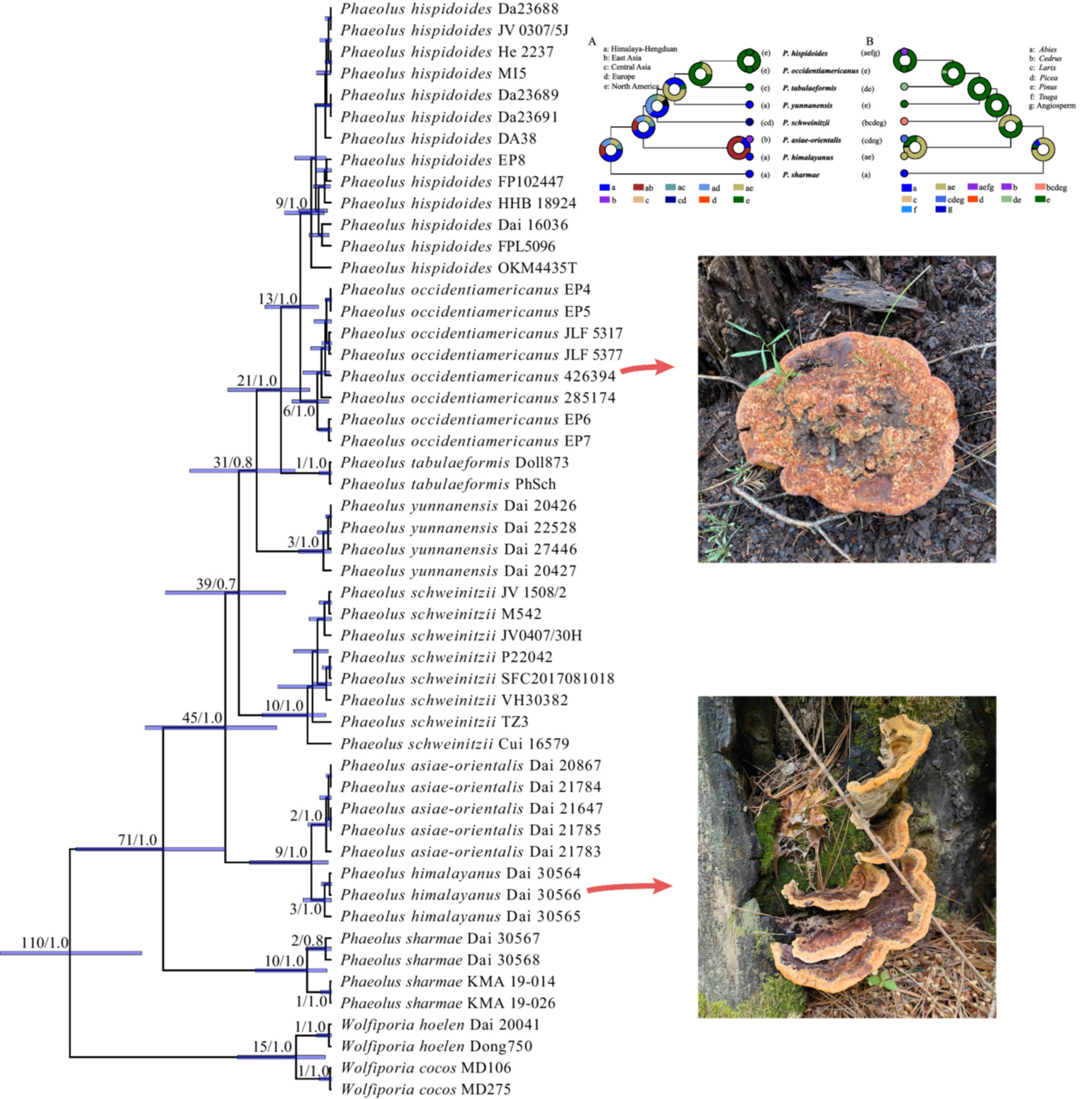
    The genus Phaeolus holds significant economic and ecological value as an important pathogen of coniferous trees. Although species diversity within this genus has been described in recent years, there were limited studies of its origin, evolution, and biogeography. In this study, we collected new specimens from China and the United States, and reconstructed the phylogeny, divergence times, and biogeography of Phaeolus based on internal transcribed spacers (ITS) and nuclear large ribosomal subunit (nLSU) sequences. Phylogenetic analyses identified two new species, Phaeolus himalayanus and Phaeolus occidentiamericanus, one new combination, Phaeolus hispidoides, one synonym, Phaeolus fragilis (treated as Phaeolus schweinitzii), and one new record from China, Phaeolus sharmae. Phaeolus himalayanus is characterized by pileate, imbricate basidiomata, round to irregular pores of two to three per millimeter, abundant gloeoplerous hyphae, mango-shaped to ellipsoid basidiospores (5.5–7 × 4–4.5 µm), and distribution in Xizang of China. Phaeolus occidentiamericanus is characterized by pileate, imbricate basidiomata, round to irregular pores of two to three per millimeter, mango-shaped to ellipsoid basidiospores (6.5–7.8 × 4–5 µm), and distribution in the western United States. Molecular clock analyses indicated that the genus Phaeolus likely originated in the Late Cretaceous, with species divergence occurring between 9–71 Ma. Ancestral state reconstruction suggested that the genus originated in the Himalaya–Hengduan Mountains region and subsequently dispersed to Europe and North America. The earliest host trees of Phaeolus were probably Abies and Pinus, with all known species capable of growing on Pinus, demonstrating a strong host trees preference. Additionally, a key of the genus Phaeolus is added. This study provides a crucial foundation in pathogen control and ecological conservation of this genus in the future.
    Phylogenetic analyses of the phytopathogenic fungal genus Phaeolus identified two new species and molecular clock analyses indicated that Phaeolus likely originated in the Late Cretaceous. Ancestral state reconstruction suggested that Phaeolus originated in the Himalaya–Hengduan Mountains region, and its earliest host trees were probably Abies and Pinus.

  • Rui Cheng, Hong-Xiang Han, Chao-Dong Zhu
    J Syst Evol. 2026, 64(1): 19-32.
    https://doi.org/10.1111/jse.70026
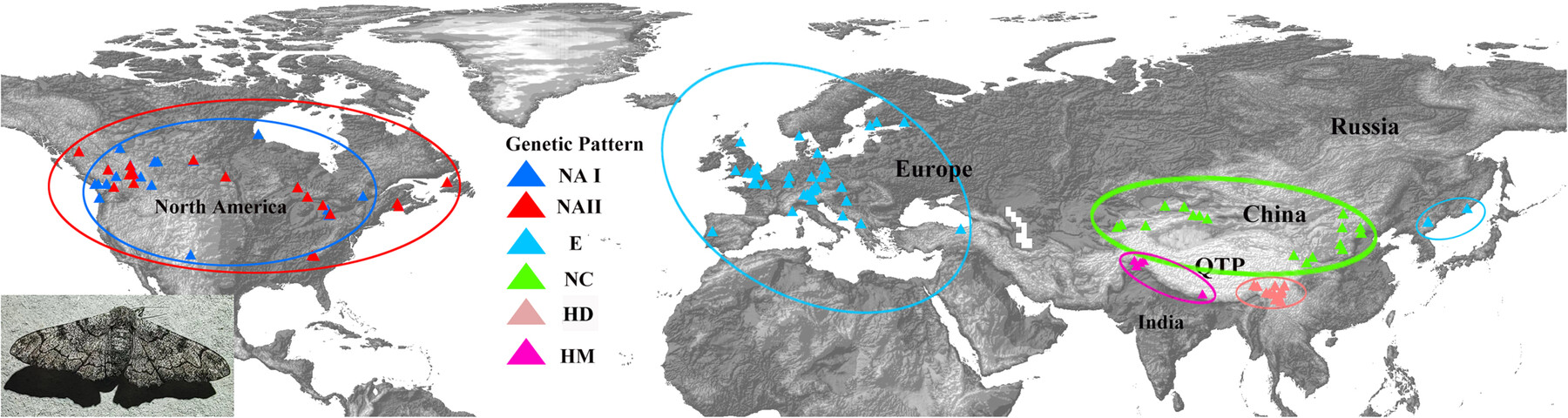
    The peppered moth Biston betularia L., widely distributed across the Northern Hemisphere, represents an ideal organism for exploring phylogeographic patterns and evolutionary history. In this study, we integrated molecular, morphological, and distributional data of this species to reconstruct its phylogenetic relationships, estimate divergence times, infer the geographic origin, and trace dispersal routes. Molecular analyses identified six monophyletic lineages (HM, NC, HD, E, NA I, and NA II). With the exception of the sympatric North American lineages NA I and NA II, the remaining lineages exhibit allopatric distributions across Eurasia. Ancestral area reconstruction and approximate Bayesian computation (ABC) analyses supported a southern Xizang origin within the Himalayan Mountains, consistent with the “Xizang-origin hypothesis.” The colonization of North America occurred twice via the Bering Land Bridge during the Pleistocene glaciation. Collectively, the current genetic pattern is best explained by gradual allopatric differentiation following long-distance dispersal and subsequent isolation. Furthermore, we reconstructed the global dispersal history of B. betularia. These results indicated that in situ speciation within the Himalaya may be more common than previously recognized, challenging the notion that Himalayan fauna are predominantly considered “immigrant.” This study enhances our understanding of Himalayan zoogeography and biodiversity through the resolved evolutionary history of a widely distributed species.
    Integrating molecular, morphological, and biogeographic data resolved six distinct monophyletic lineages of peppered moth (Biston betularia) and highlighted in situ speciation in the Himalayan region, challenging the notion of Himalayan fauna as primarily “immigrant.” Genetic patterns reflected gradual allopatric differentiation driven by postdispersal isolation.
  • Xiaoyun Sui, Pengcheng Lin, Liuyong Ding, Huanshan Wang, Jonathan Waters, and Dekui He
    J Syst Evol. 2026, 64(1): 33-48.
    https://doi.org/10.1111/jse.70050
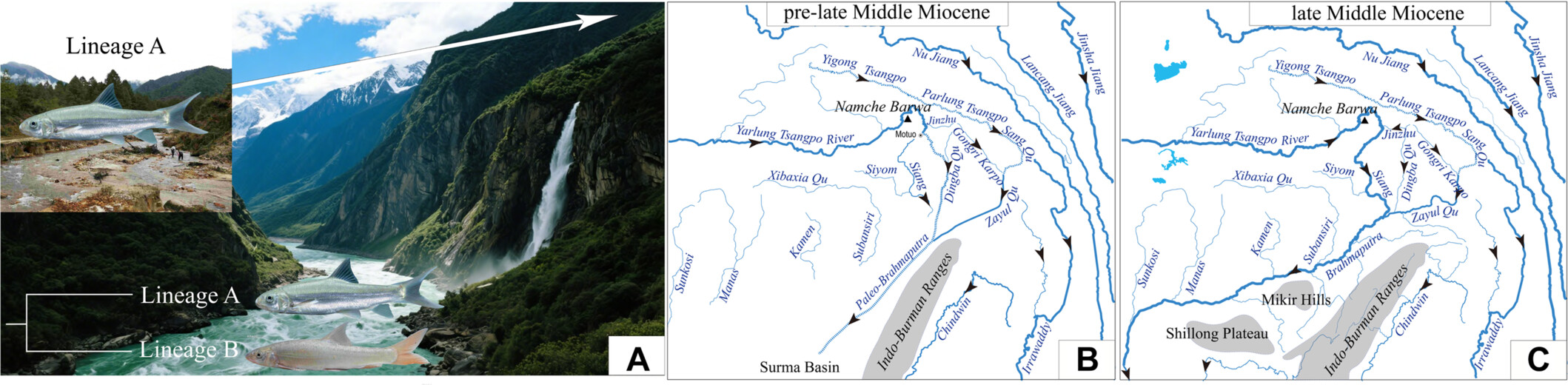
    The unique geomorphology of rivers in the eastern Himalaya has long intrigued geologists, yet their drainage history remains debated. Drainage reorganization can have a significant impact on genetic differentiation in freshwater taxa. This study employs the cold-adapted fish genus Schizothorax as a biogeographic proxy to reconstruct the evolutionary history of the Yarlung Tsangpo–Brahmaputra River (YTB), with a focus on a prominent hanging valley tributary-trunk stream system. Phylogeographic analyses of mitochondrial cyt b gene sequences identified a monophyletic QTP–YGP clade comprising species from the Qinghai–Tibet Plateau (QTP) and the Yunnan–Guizhou Plateau (YGP). Within the QTP–YGP lineage, YTB species represent the earliest diverging clade. In contrast, species from the Indus and Ganges basins are more closely related to congeners from the southeastern QTP and YGP. The YTB assemblage is further subdivided into two distinct clades. Molecular dating suggests that the YTB lineage diverged from the broader QTP–YGP group during the early Late Miocene, with the two YTB clades separating in the Late Miocene. We propose that a paleo-Yarlung Tsangpo–Dingba (Dibang)–Brahmaputra river and a Yigong–Parlung–Zayul (Lohit) river were established prior to the Late Miocene and were subsequently captured by the lower Yarlung Tsangpo River—via the Siang and Zhaqu, respectively—during the late Miocene and Quaternary. The modern YTB drainage configuration was established by the late Early Pleistocene. This study underscores the importance of integrating genetic, fauna and geomorphological data to understand the complex evolution of drainages in the eastern Himalayas.
    Reconstruction of the drainage evolution of the Yarlung Tsangpo-Brahmaputra River by integrating phylogeographic data, fish fauna distributions, and geomorphic evidence, with a focus on the hanging valley tributaries and trunk streams in the eastern Himalayan syntaxis, and genetic analyses support a two-stage river capture model.
  • Tao Luo, Ming-Yuan Xiao, Jia-Jia Wang, Mei Liao, Huai-Qing Deng, Jia-Jun Zhou, Ning Xiao, Jiang Zhou
    J Syst Evol. 2026, 64(1): 49-65.
    https://doi.org/10.1111/jse.70041
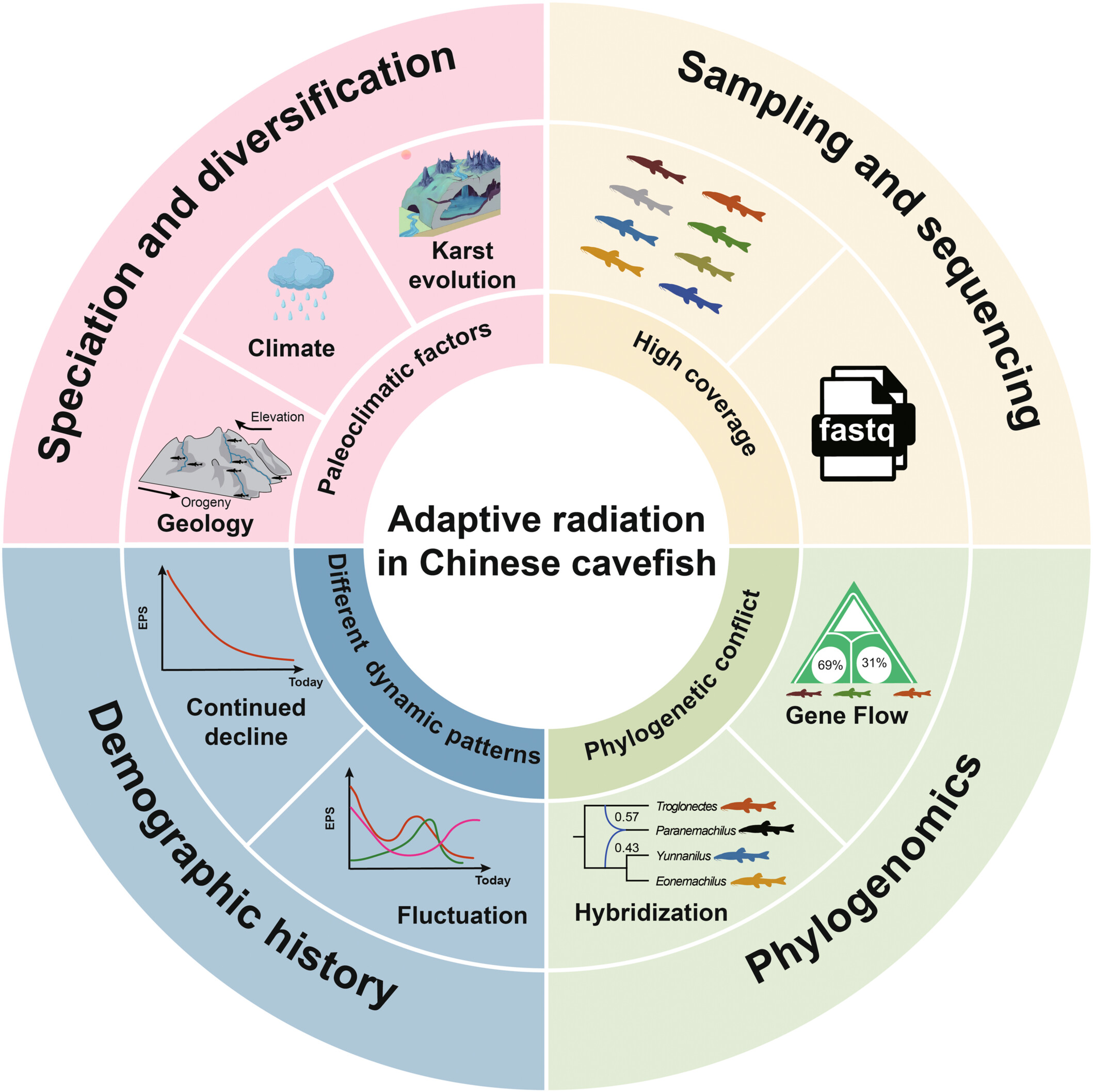
    Cavefishes display pronounced troglomorphic adaptations, such as visual degeneration, depigmentation, and scale reduction, as specialized responses to subterranean environments. Among these, the cave loaches (CLS) of the family Nemacheilidae represent China′s second most diverse cavefish group; however, their evolutionary history remains poorly understood. To bridge this knowledge gap, we conducted whole-genome resequencing of 62 CLS species and two closely related taxa, complementing these data with published genomic resources. The reconstructed phylogeny identified ancient introgression as the primary driving force behind phylogenetic discordance, with incomplete lineage sorting as a secondary contributor. Pleistocene climatic fluctuations, coupled with species-specific genetic architectures, generated four distinct demographic trajectories across populations. Additionally, we delineated four distinct phases of lineage diversification in CLS, shaped by tectonic–climatic interactions, with alternating periods of acceleration and decline synchronized with the Asian orogenic and monsoonal cycles. This study provides the first integrated genomic perspective on the evolution of the CLS, demonstrating how biotic and abiotic factors have collectively shaped subterranean biodiversity.
    Whole-genome resequencing was performed on 62 cavefish species (family Nemacheilidae) and two closely related taxa. Analyses were conducted on intergeneric phylogeny, population dynamics, and species diversification, leading to the proposal of a hypothesis regarding the speciation of cavefishes in the family Nemacheilidae in southwestern China.
  • Chenguang Feng, Ruoyu Zhang, Chao Tong, Luxian Yu, Wulong Ma, Kai Zhao, Fei Tian, Sijia Liu
    J Syst Evol. 2026, 64(1): 66-76.
    https://doi.org/10.1111/jse.70048
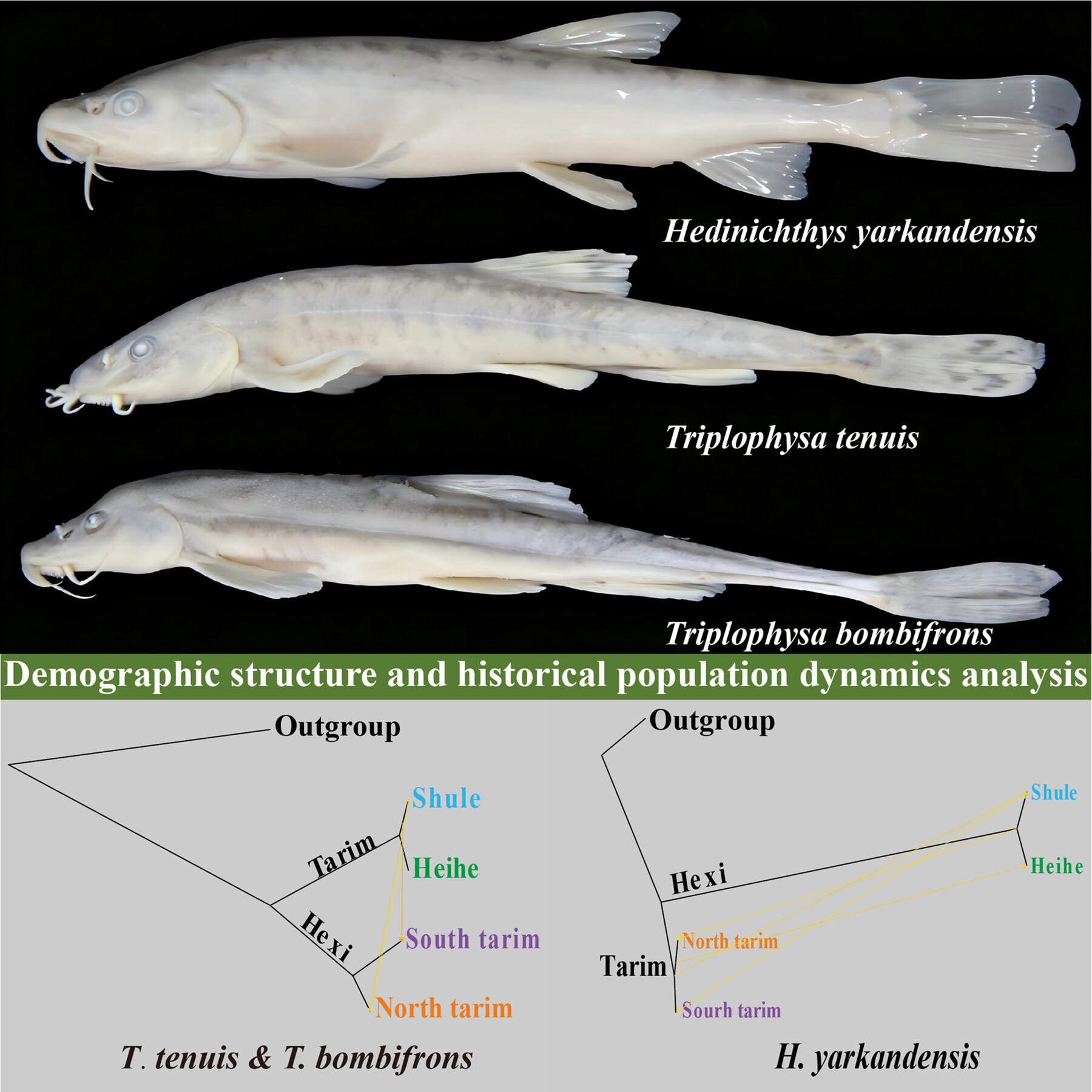
    East Asia's largest inland arid ecological region—the Tarim Basin and Hexi Corridor—serves as an independent evolutionary center for highland ichthyofauna. However, systematic studies on the evolutionary patterns of fishes in this region remain limited. In this study, we integrated mitochondrial cytochrome b (Cyt b) and nuclear SNP data to investigate the demographic structure and historical dynamics of three desert fish species: Triplophysa tenuis, Triplophysa bombifrons, and Hedinichthys yarkandensis. Our results indicate that populations in the Hexi Corridor and Tarim Basin diverged approximately 0.8 million years ago (Ma), coinciding with a period of increasing aridity, followed by alternating phases of population contraction and secondary contact. Demographic fluctuations were likely driven by westerly atmospheric circulation interacting with regional geological activity. Furthermore, this study provides evidence for the existence of an ancient South Tarim River and suggests the need for taxonomic re-evaluation of T. bombifrons. These findings offer critical insights into the evolutionary processes shaping fish diversity in arid regions of China and inform strategies for their conservation.
    The Tarim Basin-Hexi Corridor, East Asia’s largest arid ecological region, hosts endemic highland fishes. Integrating mitochondrial Cyt b and nuclear polymorphism data, we studied three desert fish species, revealing their divergence (~0.8 Ma) and demographic shifts driven by aridity, westerlies and geology, with taxonomic and conservation implications.
  • Lei Wu, Huan Wang, Yanzhu Ji, Ali Haghani, Yan Hao, Dezhi Zhang, Gang Song, Yalin Cheng, Martin Päckert, Jochen Martens, Chenxi Jia, Per Alström, and Fumin Lei
    J Syst Evol. 2026, 64(1): 77-94.
    https://doi.org/10.1111/jse.70052
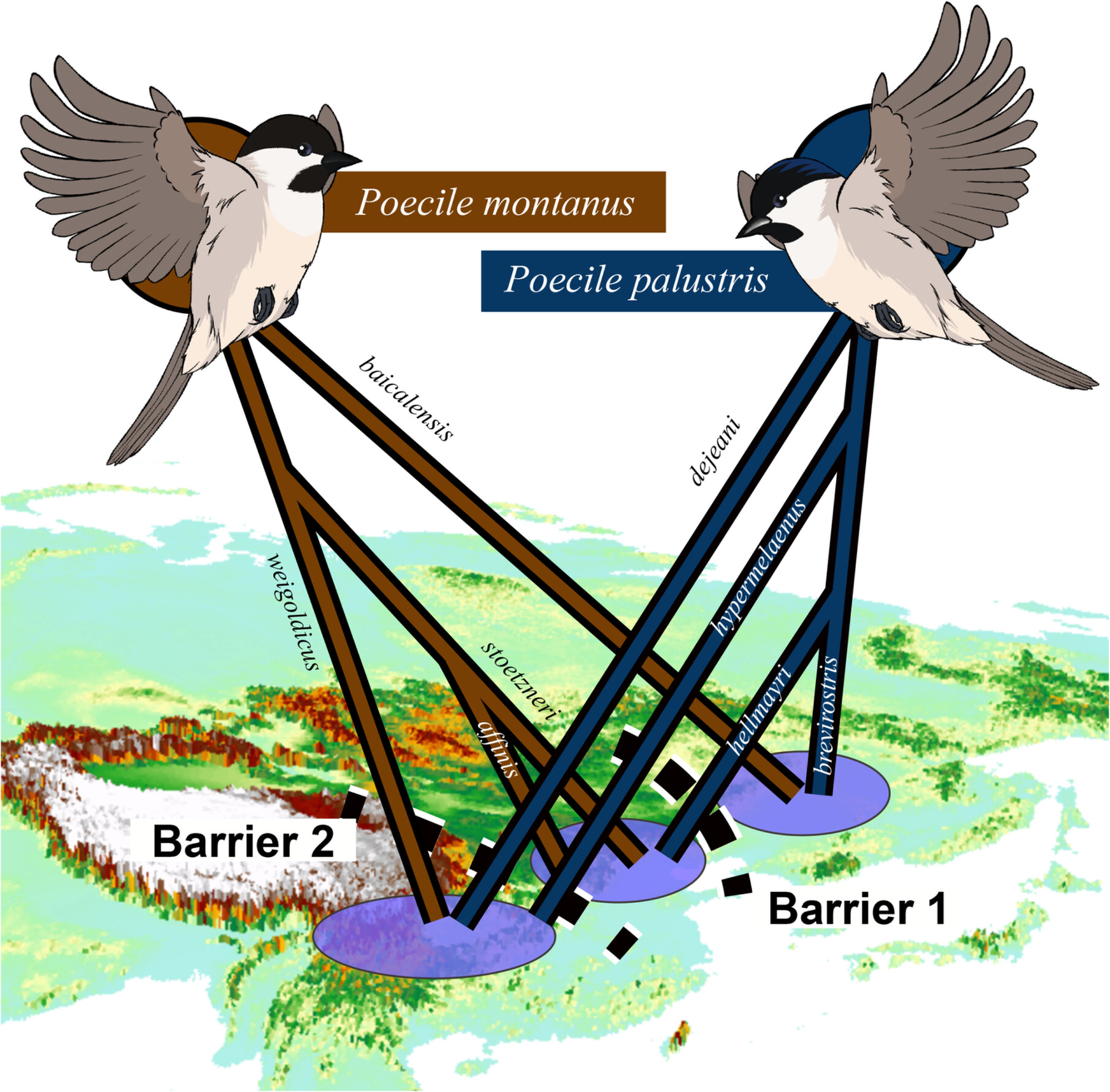
    Geographic barriers and geological historical events may play pivotal roles in driving allopatric divergence among closely related species. Here, we investigate the genomic divergence patterns and ecological niche separation of the Willow Tit Poecile montanus and the Marsh Tit P. palustris species groups in China, and their ecological niche separation across East Asia. Through comprehensive genomic sequencing, population genomic analysis, and integration of public occurrence data, we unveil striking parallels in the geographic divergence patterns between these two species groups. Notably, both species exhibit multiple divergent lineages in China, with similar spatial distributions of gene flow barriers. Furthermore, our analysis reveals unique evolutionary histories in the southwestern clades of both species groups, highlighting the intricate interplay between historical distribution dynamics, ecological preferences, and genetic divergence. Our study significantly enhances our understanding of the processes underlying the diversification of closely related widespread species within the framework of shared geographical constraints, and stresses the need for a taxonomic revision.
    Investigation of genomic and ecological niche divergence in Willow Tit and Marsh Tit revealed parallels in their geographic divergence (including divergent lineages, similar gene flow barriers, and unique southwestern clade histories), which enhances our understanding of species diversification under shared geographic constraints, and stresses the need for taxonomic revision.
  • Qun Liu, Nan Lin, Dai-Gui Zhang, Xian-Han Huang, Yan-Bo Li, Ying-Ying Zheng, Umida Tojiboeva, Jian-Wen Zhang, Tao Deng
    J Syst Evol. 2026, 64(1): 95-105.
    https://doi.org/10.1111/jse.70012
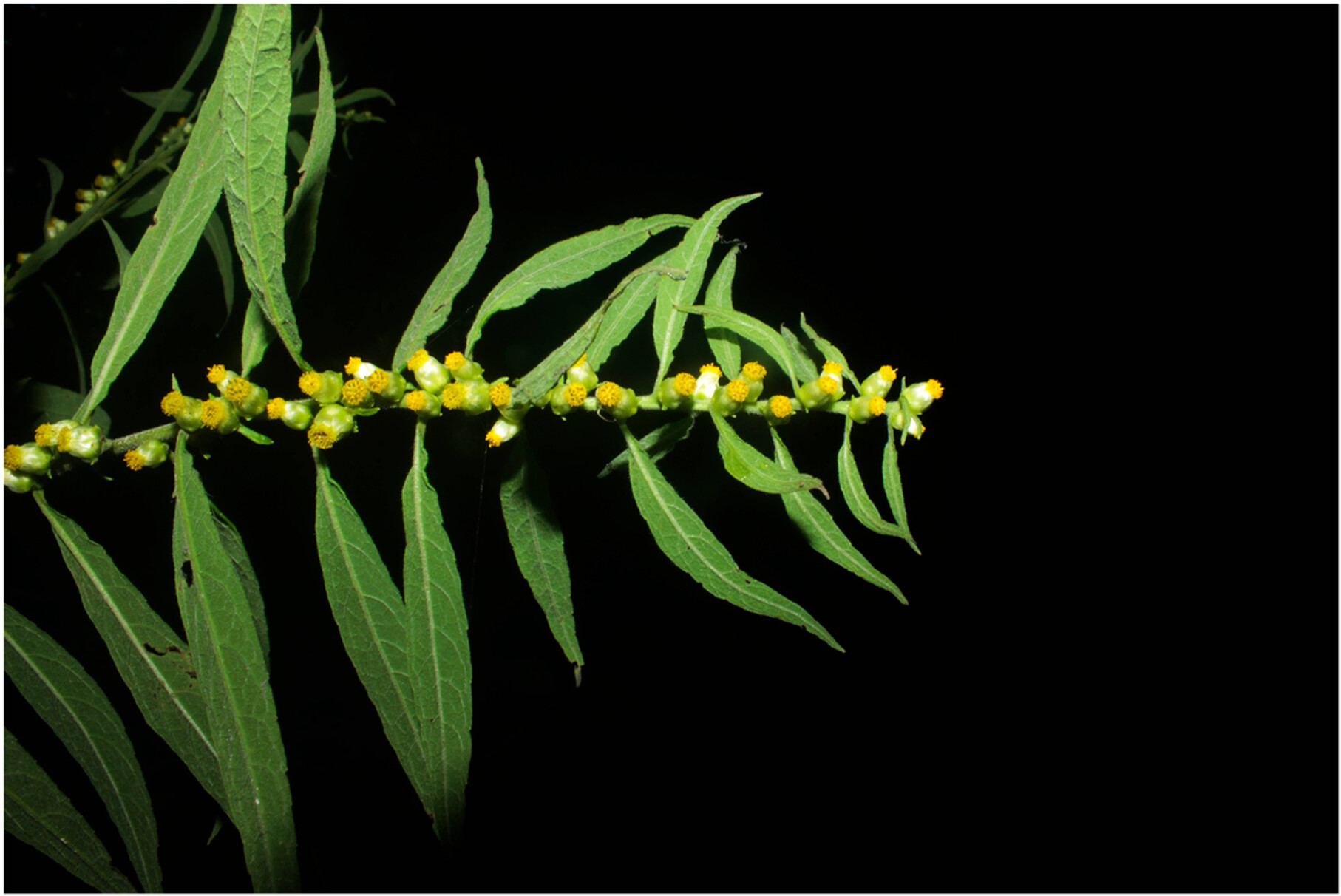
    Carpesium (Asteraceae) represents the largest Asian genus within the subtribe Inulinae of the tribe Inuleae, exhibiting maximum species diversity in China. This study presents the first comprehensive phylogenetic analysis of Carpesium, utilizing nuclear ribosomal internal transcribed spacer (ITS), specific chloroplast DNA sequences (rps16-trnQ, rpl32-trnL, and ndhF-rpl32), whole chloroplast genomes and chloroplast coding sequence (CDS). The results demonstrate that Carpesium, excluding C. abrotanoides, constitutes a monophyletic group. The Carpesium s.str. clade contains two well-supported lineages with distinct morphological characteristics. Based on morphological analyses, molecular phylogenetic evidence, and karyotypic studies, this research establishes Cladocarpesium gen. nov. to accommodate C. abrotanoides. The comprehensive sampling approach has facilitated a thorough phylogenetic reconstruction of the Inula complex, establishing a robust systematic framework that clarifies previously uncertain relationships among constituent species. This multilocus methodology provides essential insights for reassessing infrageneric classifications within this taxonomically complex group.
    Cladocarpesium T. Deng & Qun Liu, gen. nov. (separated from Carpesium) is established with Cladocarpesium abrotanoides (L.) T. Deng & Qun Liu designated as the type species. The new genus is morphologically distinguished from Carpesium s.str. by its sympodial growth form (typically producing three branches), sessile capitula, and three-seriate phyllaries.
  • Mei Chen, Zu-Chang Xu, Jing-Xia Liu, Xiao Feng, Xia-Ying Ye, Meng-Yuan Zhou, De-Zhu Li
    J Syst Evol. 2026, 64(1): 106-124.
    https://doi.org/10.1111/jse.70044
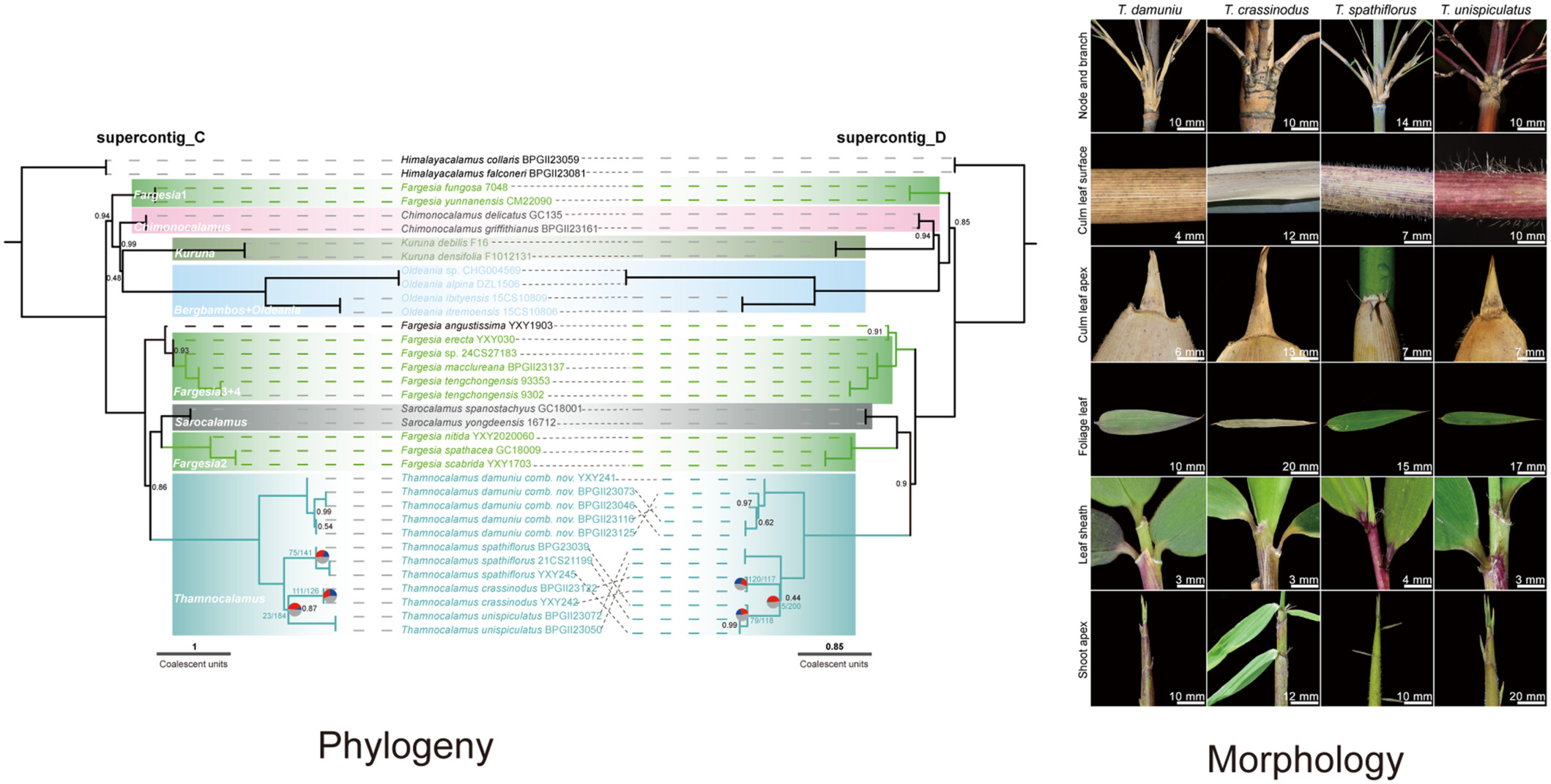
    Thamnocalamus, a bamboo genus endemic to the Himalaya, comprises four to six species with a complex taxonomic history. Distinguishing Thamnocalamus from Fargesia based on vegetative characteristics is particularly challenging, as previous studies frequently resulted in misclassifications of species between the two genera. Leveraging subgenome-scale syntenic nuclear genes and genomic distance-based k-mer analyses through deep genome skimming, we dissected the complex phylogenetic relationships within Thamnocalamus to facilitate subsequent taxonomic revision. Our study presents (1) an updated phylogeny improved in resolution and sampling density, (2) characterization of the evolutionary process underlying gene tree incongruence, and (3) enumeration of four Chinese Thamnocalamus species with a diagnostic morphological key. Based on a robust phylogenetic framework and morphological comparisons, we propose a new combination, T. damuniu, and further investigate potential hybridization among Thamnocalamus species. Consequently, Thamnocalamus crassinodus and T. unispiculatus were inferred to be of hybrid origin but with differential inheritance probability proportions, together with incomplete lineage sorting, which likely contributes to the gene tree incongruence and non-monophyly of T. crassinodus in k-mer-based analysis. As many poorly known bamboo species were described solely from vegetative specimens, we emphasize the necessity of integrating molecular evidence into taxonomic decisions and new species descriptions within the taxonomically challenging Bambusoideae, calling for reassessment of species with uncertain generic status integrating nuclear genomic data of multiple individuals per species, and detailed morphological comparisons.
    Dissecting phylogenetic relationships within the endemic Himalayan bamboo genus Thamnocalamus using subgenome-scale syntenic nuclear genes and genomic distance-based k-mer analyses through deep genome skimming to facilitate taxonomic revision, and characterizing the processes underlying gene tree incongruence, revealed four species, including a new combination, T. damuniu.
  • Heng Yang, Jialiang Li, Mi Yoon Chung, Myong Gi Chung, Zhitong Han, Dayu Wu, Jingge Kuang, Xinran Zhang, Xi Zhou, Linning Bai, Jianquan Liu, Jian Luo, and Kangshan Mao
    J Syst Evol. 2026, 64(1): 125-137.
    https://doi.org/10.1111/jse.70030
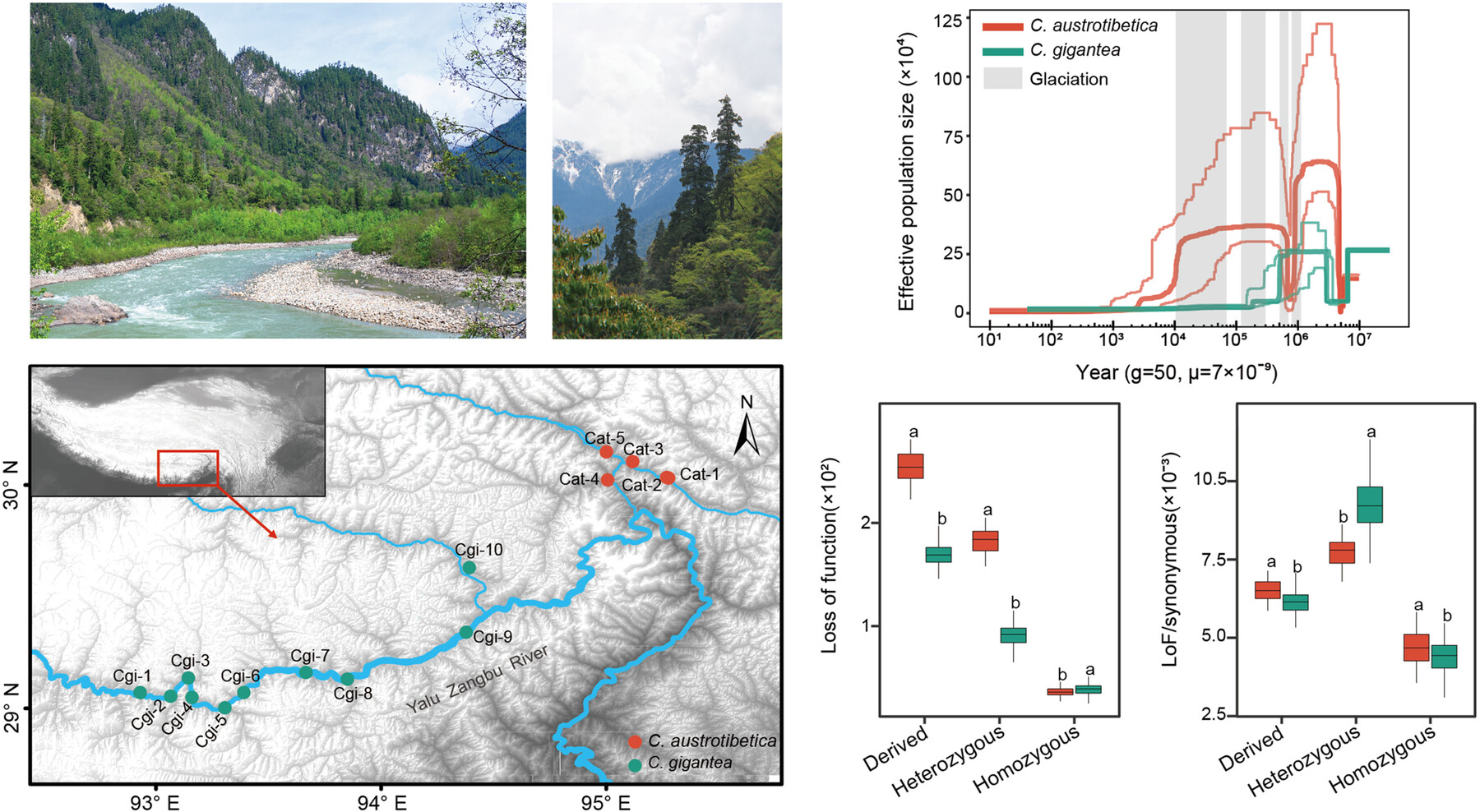
    Understanding the genetic diversity and genetic load of endangered species is essential for developing effective conservation strategies, particularly in ecologically sensitive regions such as the Himalayas. Cupressus austrotibetica, a rare conifer and the tallest recorded tree in Asia, reaching up to 102.3 m, faces substantial anthropogenic and environmental threats. To evaluate its genetic status, we sequenced transcriptomes of 54 individuals sampled across its restricted range and compared them with 96 individuals of C. gigantea, a closely related endangered species with broader distribution at higher elevations. Our analysis reveals that C. austrotibetica exhibits higher genetic diversity (π = 0.0091) compared to C. gigantea (π = 0.0042). Demographic analyses identified three historical bottleneck events in C. austrotibetica and two in C. gigantea, with two of these events coinciding with Quaternary climatic oscillations. Despite its relatively high genetic diversity, C. austrotibetica has a smaller effective population size based on Stairway Plot 2 (Ne ≈ 7200) than C. gigantea (Ne ≈ 17 600). Furthermore, C. austrotibetica harbors a higher proportion of severe deleterious mutations, while C. gigantea retains more moderate deleterious variants. These findings indicate that a recent anthropogenic bottleneck event has likely driven the reduced population size and increased genetic load in C. austrotibetica, emphasizing the urgent need for conservation priorities for this imperiled species.
    Comparing population evolutionary history and genetic loads revealed that Cupressus austrotibetica underwent more frequent and severe bottleneck events, maintaining a smaller effective population size. Cupressus austrotibetica carries a higher proportion of loss-of-function mutations, suggesting a heavier genetic load, which is likely linked to its limited distribution and historical population decline.
  • Qi Lu, Si-Yu Zhang, Jianqing Du, Yongqin Liu, and Meng Yao
    J Syst Evol. 2026, 64(1): 138-155.
    https://doi.org/10.1111/jse.70049
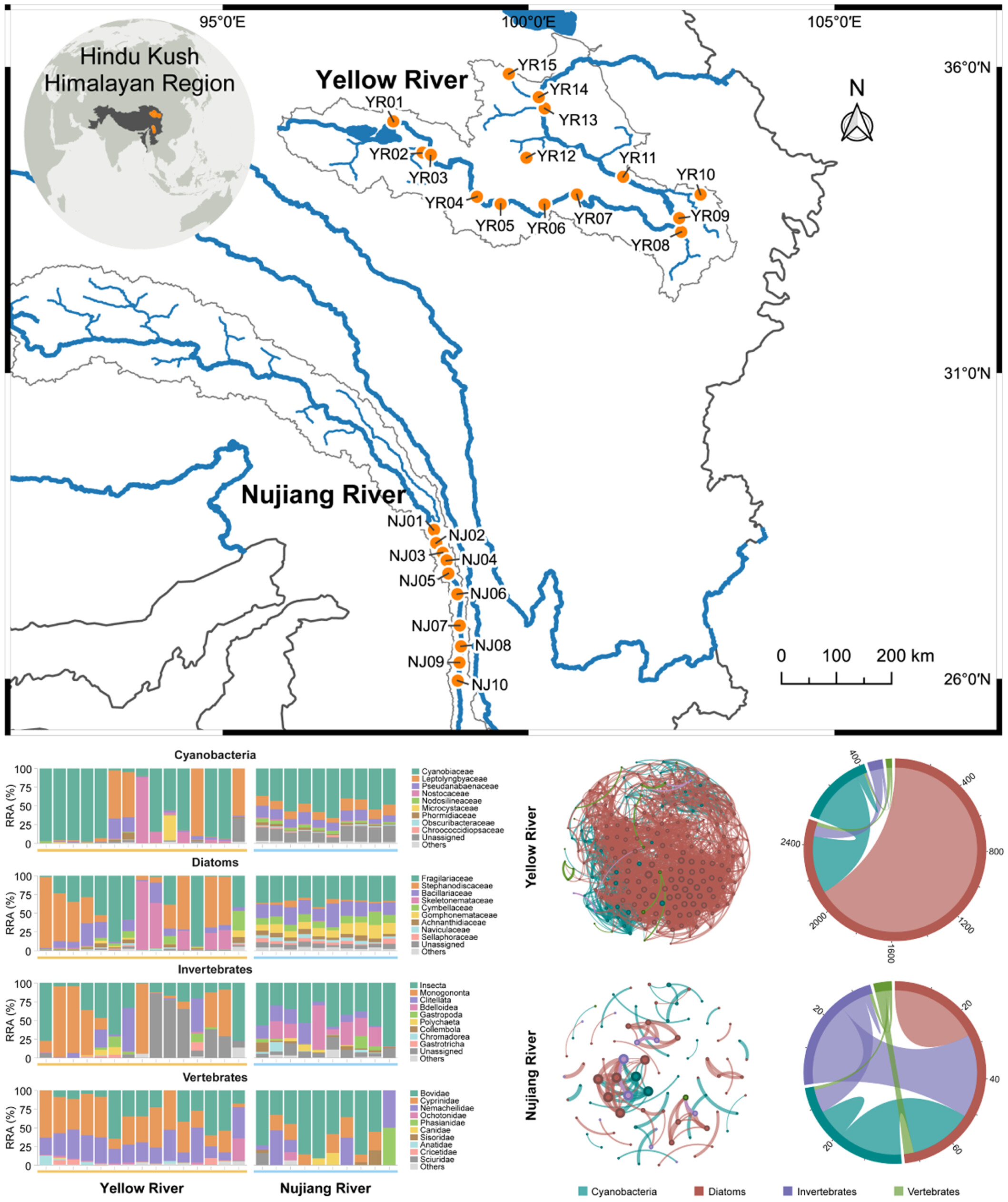
    The Hindu Kush Himalayan (HKH) region sustains the headwaters of major Asian rivers and harbors unique alpine biodiversity, and yet, it is highly sensitive to climate change. Biodiversity organization and community assembly processes across trophic levels within its river ecosystems remain poorly understood. Here, we used multi-marker environmental DNA (eDNA) metabarcoding targeting four biological groups (cyanobacteria, diatoms, invertebrates, and vertebrates) to assess multi-trophic biodiversity patterns in two alpine rivers of the region: the Yellow River source region (YR) and the middle–upper Nujiang River (NJ). These two systems differ markedly in geography, hydroclimate, vegetation, and human disturbance intensity. We identified 1695 operational taxonomic units and revealed pronounced differences in biodiversity pattern and community composition between rivers. Phototrophs and invertebrates showed higher α diversity in NJ, whereas vertebrates were richer in YR. β diversity was mainly driven by species turnover in both rivers, with a stronger distance–decay pattern in YR. Correlations between environmental variables and α and β diversity varied across groups and rivers, with geographic and climatic factors exerting stronger effects in NJ. iCAMP and pNST analyses revealed that stochastic processes dominated community assembly in both rivers, whereas deterministic processes were relatively stronger in YR compared to NJ. Accordingly, co-occurrence networks revealed cohesive communities in YR but more modular ones in NJ, indicating contrasting ecological stability regimes. Overall, our study provides an integrated, multi-trophic perspective on how environmental gradients shape riverine biodiversity and ecological interactions, informing adaptive conservation strategies under accelerating environmental change in the HKH region.
    Multi-marker eDNA metabarcoding revealed contrasting biodiversity organization and assembly in two alpine river systems on the Qinghai–Xizang Plateau. Climatic and hydrological gradients structured community composition and interactions. Co-occurrence networks showed cohesive communities in the cold Yellow River but modular, flexible ones in the monsoon-influenced Nujiang River.
  • Mingming Zou, Aili Lin, Lijun Cao, Shujun Wei, Fumio Hayashi, Ding Yang, Xingyue Liu
    J Syst Evol. 2026, 64(1): 156-173.
    https://doi.org/10.1111/jse.70056
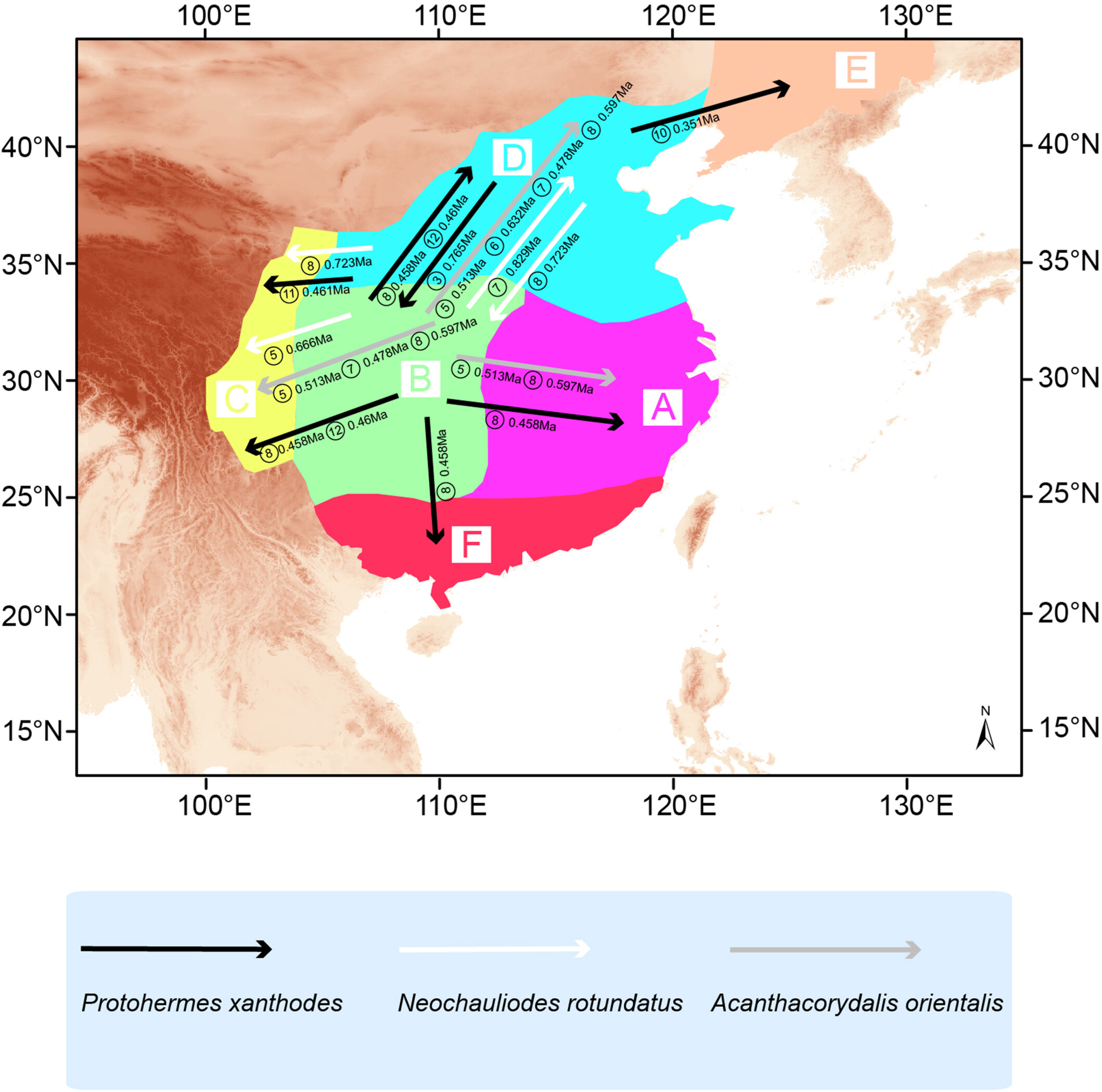
    The Qinling–Daba Mountains, serving as the natural boundary between the Oriental and Palaearctic regions, represent a critical ecological transition zone. Previous studies have demonstrated how this mountain range acts as a geographical barrier for the northward expansion of Oriental species and vice versa. However, the role of the Qinling–Daba Mountains in shaping the distribution of species distributed across the Oriental–Palaearctic region remains poorly understood. Here, we performed a comparative phylogeographic analysis to investigate three species of the exclusively aquatic holometabolan order Megaloptera, that is, Protohermes xanthodes, Acanthacorydalis orientalis, and Neochauliodes rotundatus, which are co-distributed in a broad range over the Oriental and Palaearctic regions. Our results show that except for the northeastern population of P. xanthodes, the three species do not show clear geographic boundaries in their population genetic structure. The ancestral distributions of these species are primarily located within western Central China, North China, and Northeast China. Notably, populations from western Central China appear to have served as the source for subsequent dispersals to surrounding areas, with the Qinling–Daba Mountains emerging as a crucial dispersal corridor. Thus, the present overlapping distribution of these three species was formed by multidirectional dispersals in each species. All three species have undergone population contraction from the Last Glacial Maximum to the present, with their suitable habitats likely shrinking due to Pleistocene climate fluctuations, and temperature acting as a key factor influencing their distribution ranges. Our study investigates the phylogeography of aquatic insect species across the Oriental–Palaearctic boundary, providing novel insights into how complex terrain influences the distribution of species.
    Three megalopteran species showed no significant correlation between geographical distribution and population genetic structure. Populations from western Central China served as sources for multidirectional dispersals, with the Qinling-Daba Mountains acting as a critical dispersal corridor. Complex terrain and Pleistocene climate oscillations shaped the contemporary sympatric distribution of three megalopteran species
  • List of Reviewers