Table of Contents

June 2026, Volume 64 Issue 3
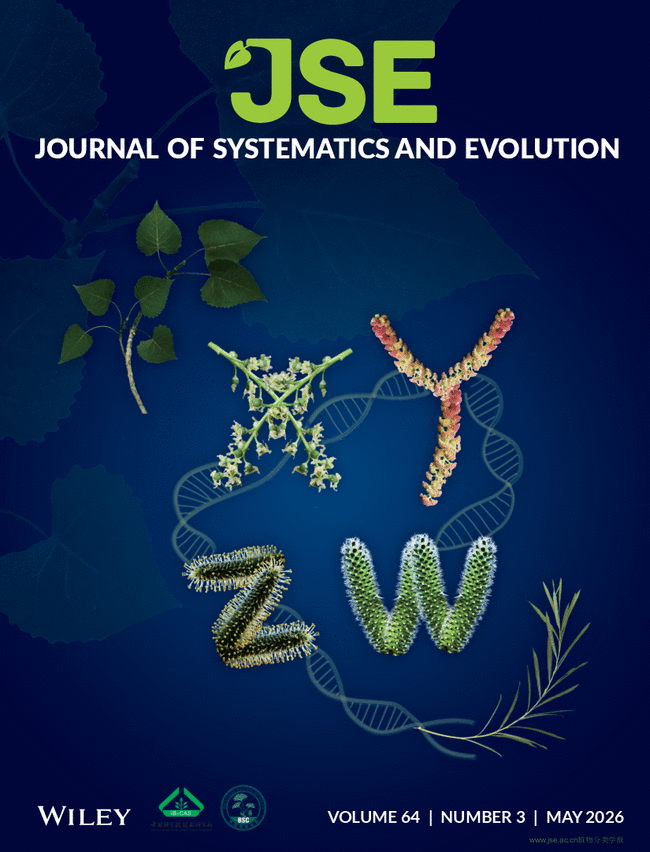
Cover illustration: Catkins of poplar and willow are arranged as XY and ZW, symbolizing the repeated turnover of sex chromosome systemsin Salicaceae. Poplar leaves and willow shoots distinguish the two sister genera, while a pale DNA strand links the four chromosomal forms, representing their shared evolutionary history. In this issue, Wang et al. (pp. 437– 453) compared male and female catkin and leaf transcriptomes across eight dioecious Salicaceae species. Their study reveals extensive turnover of sex-biased expression in reproductive tissues, limited conservation of core sex-biased genes, and early but incomplete dosage compensation associated with young, dynamic sex chromosomes.Illustrated by Tao Ma, Deyan Wang, and Xiaogang Dai.
  
    Review
  • Ruotong Yu, Dian Yu, Chaobin Li Hongyan Shan, Hongzhi Kong, Jie Cheng, Xiaofeng Yin
    J Syst Evol. 2026, 64(3): 425-436.
    https://doi.org/10.1111/jse.70035
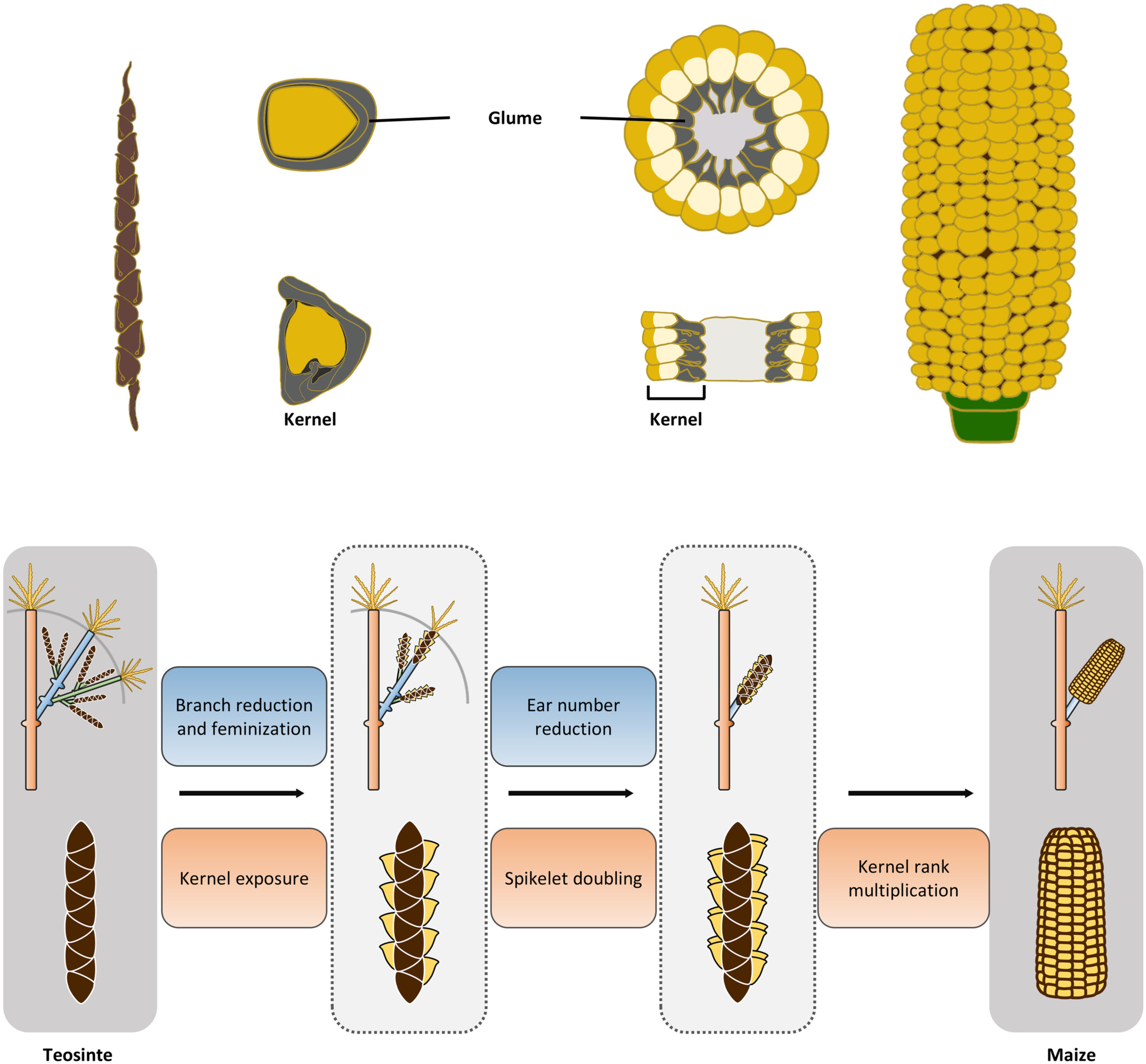
    Maize is amongst the most agriculturally and economically important crops to human beings. It was domesticated from a wild relative called teosinte. During domestication, maize has experienced drastic morphological transformations, such that it produces fewer ears, each of which bears many more kernels covered by soft and reduced glumes. The striking differences between maize and teosinte make the origin of maize ear a fascinating question, which has been fiercely and actively debated for more than a century. Over the past few decades, the discovery of numerous key genes and genetic pathways has greatly deepened our understanding of the mechanisms underlying maize ear development and domestication. In this review, by providing an overview of the morphogenetic processes of maize and teosinte ears, and the molecular mechanisms of maize ear development, we highlight key morphodynamical distinctions between maize and teosinte ears. By recapitulating historical accounts and summarizing recent advances regarding maize domestication, we present the current understanding and propose a model for the origin of maize ear.
    A comparison between maize and teosinte ears and a simplified model for the origin of the maize ear.
  • Research Article
  • Deyan Wang, Lanxing Shan, Yiling Li, Jiale Zhao, Matthew S. Olson, Tao Ma
    J Syst Evol. 2026, 64(3): 437-453.
    https://doi.org/10.1111/jse.70058
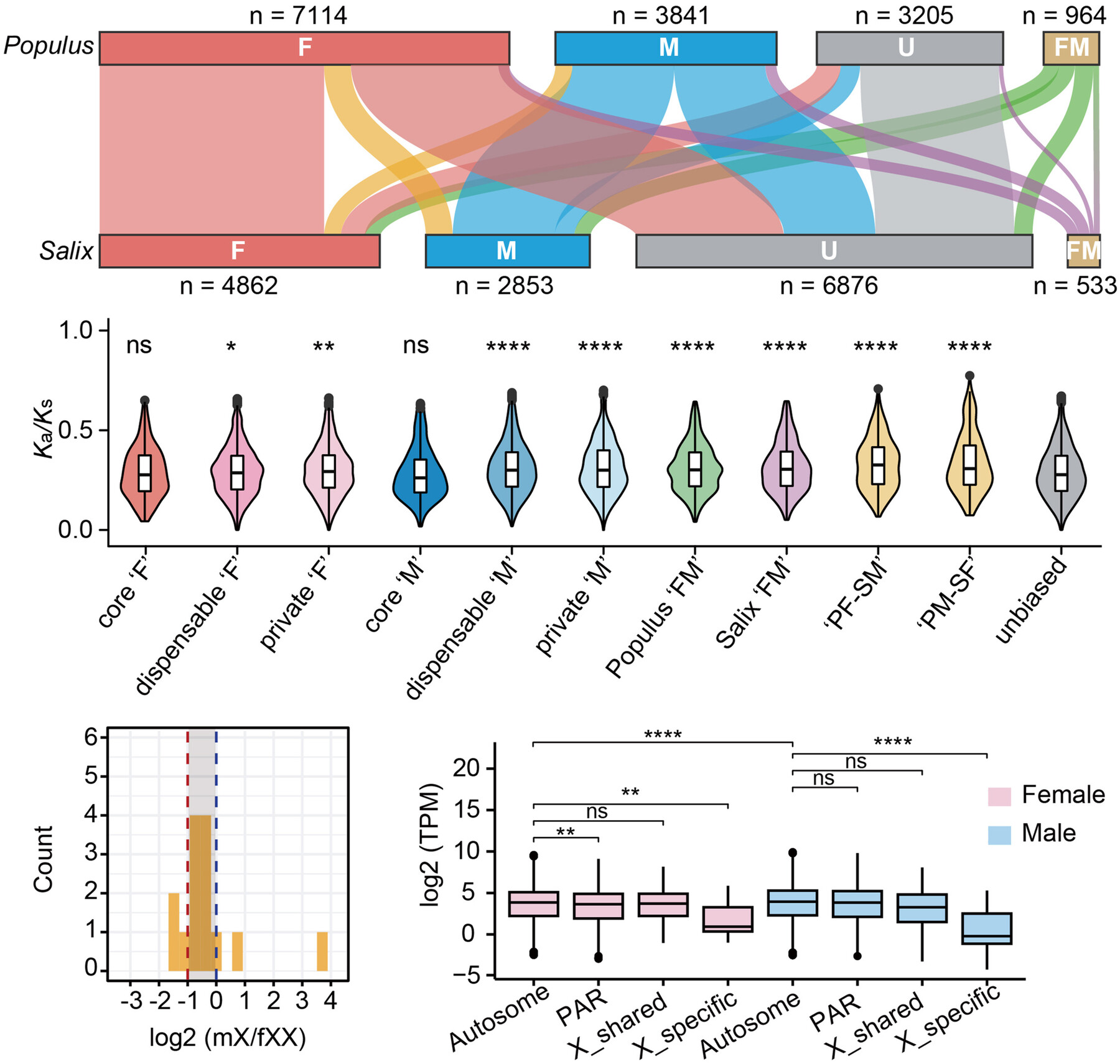
    Sexual dimorphism in dioecious plants is common in reproductive tissues. Genes expressed in these tissues often show sex bias and differ between sexes in their protein evolutionary rates. At the same time, sex-linked genes often balance their expression levels between sexes through dosage compensation. We compared gene expression between males and females in floral and leaf tissues of eight dioecious Salicaceae species whose sex chromosomes are young to understand the level of conservation and diversity of genes with sex-biased expression. Our results revealed that sexually dimorphic gene expression showed large numbers of differences among these species, with only 6% of the genes remaining conserved, showing a consistent sex-biased direction in at least seven species. Protein evolutionary rates depended on their degree of conservation and the direction of sex bias in expression. Non-core sex-biased genes showed elevated evolutionary rates and core male-biased genes showed higher nonsynonymous and synonymous substitutions than unbiased genes. Detailed studies in three willow species revealed that the expression dosage of most sex-linked genes was partially (0.5 < Xmale/XXfemale < 1) or excessively (Zfemale/ZZmale > 1) compensated through reducing gene expression in the homogametic sex. Our results provide novel insights into how sexually dimorphic gene expression evolves during repeated turnovers of sex chromosomes in plants and confirm that dosage compensation mechanisms evolve relatively early in the development of sex chromosomes.
    Comparative analyses of sexually dimorphic expression in floral and leaf tissues of eight poplar and willow species reveal that sex-biased expression is widespread in reproductive tissues and evolves dynamically among species. Protein evolutionary rates and functions of sex-biased genes depend on their conservation level and bias direction. In three willow species, rapidly evolving dosage compensation regulates sex chromosome gene expression, enhancing understanding of sexually dimorphic expression and dosage compensation during plant sex chromosome turnover.
  • Zhe Chen, Chang-Qu Liu, Zi-Jue Ren, Hang Sun, Yang Niu
    J Syst Evol. 2026, 64(3): 454-469.
    https://doi.org/10.1111/jse.70046
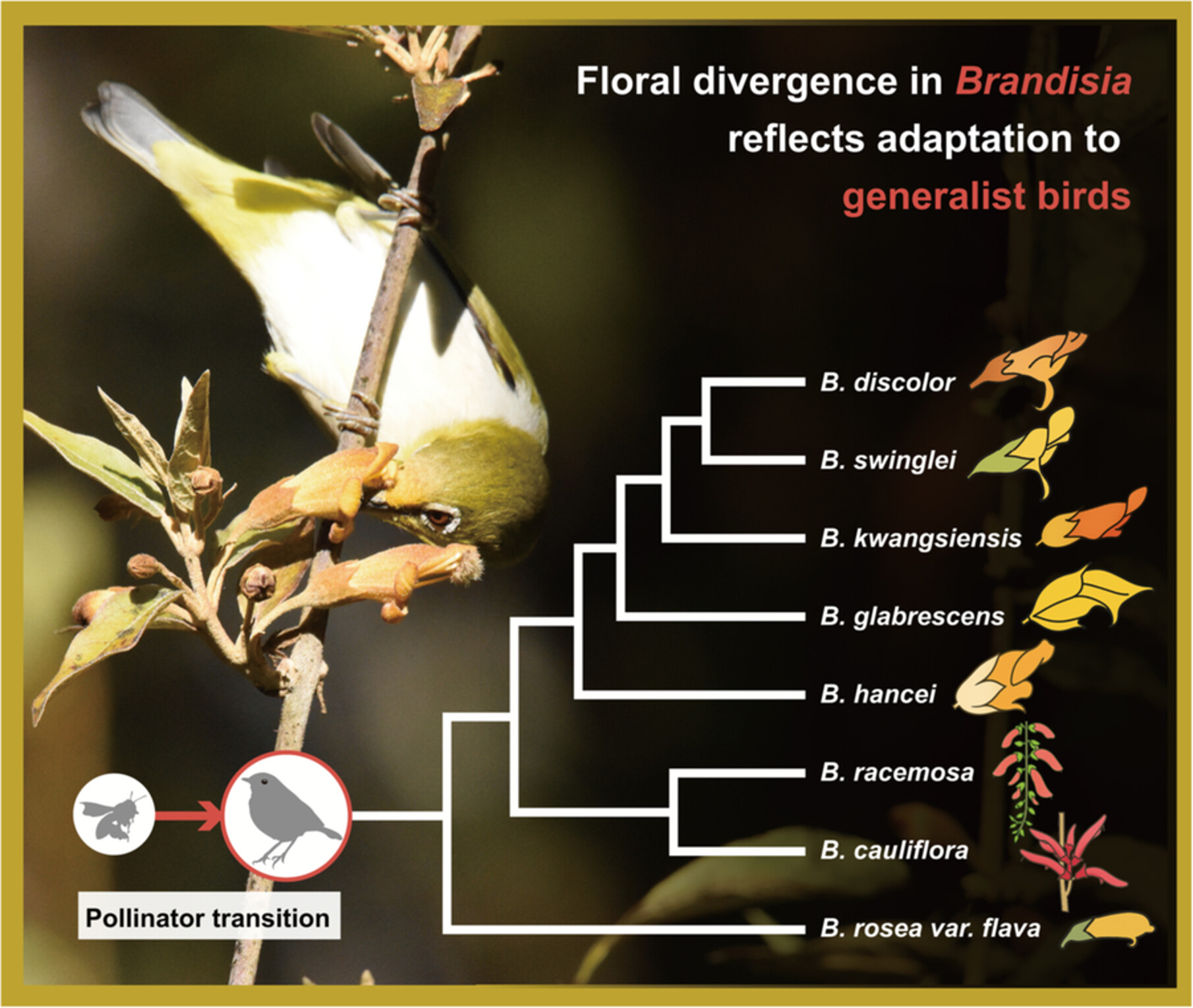
    Pollinators are key drivers of floral evolution and diversification. While floral traits often converge in response to shared pollinators, they may diverge following pollinator shifts. Here, we examine the evolution of floral traits in Brandisia, a hemiparasitic genus endemic to East and Southeast Asia that shows notable interspecific variation. We combined field observations, a literature survey of pollination systems across Orobanchaceae, measurements of 14 floral traits, and phylogenetically informed comparative analyses. Our results show that Brandisia species are primarily bird-pollinated, probably derived from the bee-pollinated condition predominant in Orobanchaceae. Their flowers show typical bird-pollination traits, including tubular corollas, exserted reproductive organs, and abundant dilute nectar. Several traits may also function to avoid antagonists through visual (e.g., red coloration inconspicuous to bees), morphological (e.g., reduced or recurved corolla lobes), or physiological (e.g., dilute nectar) barriers. Ancestral state reconstruction indicates that the common ancestor of Brandisia had moderately specialized floral traits, including solitary axillary flowers, orange-yellow coloration, short tubular corollas, and hexose-dominated nectar. From this ancestral condition, both more specialized and more generalized phenotypes evolved, involving 11 shifts across eight traits. Together, our findings indicate that Brandisia is predominantly bird-pollinated in the Asian flora. Rather than resulting from major pollinator shifts, floral trait variation in Brandisia reflects a continuum of adaptation to bird pollinators, potentially shaped by fine-scale niche partitioning. Some floral traits may also have evolved under additional selective pressures, such as avoiding bees. This study advances understanding of how bird pollinators shape floral diversification in angiosperm.

    Brandisia (Orobanchaceae), an Asian hemiparasitic genus, shows striking floral divergence. All species are bird-pollinated, mainly by generalist nectarivores such as white-eyes. Variation in floral color, form, and nectar composition reflects a continuum of specialization, suggesting fine-scale adaptation to birds rather than major pollinator shifts.
  • Kaizong Wei, Chen Xie, Xianghui Zhang, Aftab Ahmad, Lei Duan, Mingji Chu, Yuanxiao Gao, Diethard Tautz, and Wenyu Zhang
    J Syst Evol. 2026, 64(3): 470-484.
    https://doi.org/10.1111/jse.70037
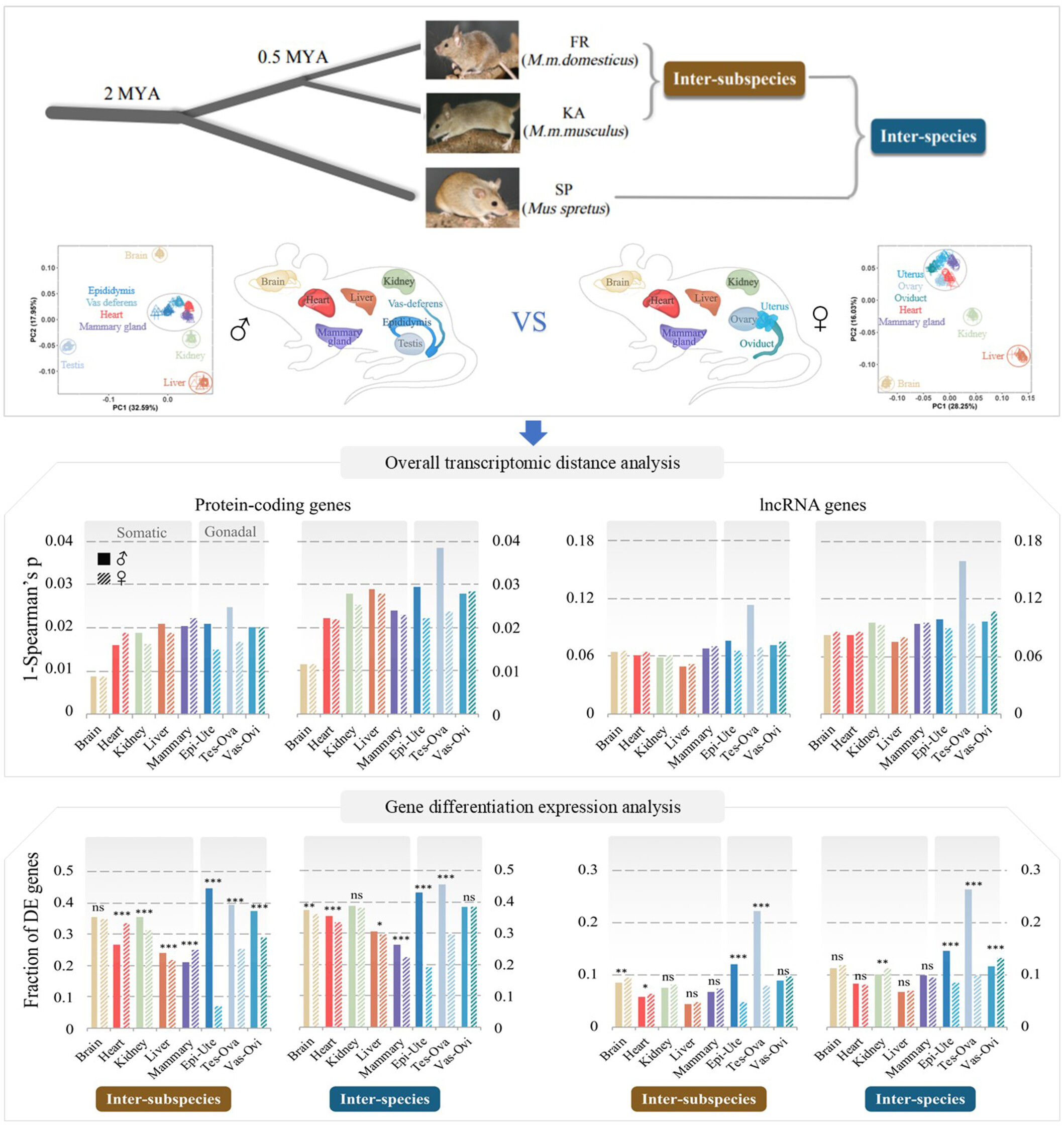
    While sex-biased gene expression and its evolutionary dynamics across taxa have been extensively investigated, systematic separate characterization of the evolutionary patterns in transcriptome divergence between male and female lineages remains underexplored. Here, we analyze a comprehensive RNA-seq data set from the house mouse complex, spanning multiple organs across subspecies and species, to delineate the evolutionary trajectories of gene expression in males and females in intra- and inter-species contrasts. For both sexes, we find specific gene expression divergence patterns across the surveyed organs, with a particularly high divergence rate at early evolutionary stages of separation. Comparative analysis between sexes demonstrates male reproductive organs, particularly the testis, displaying accelerated evolutionary rates of expression divergence. Strikingly, testicular long non-coding RNA genes show the most pronounced acceleration, with differences emerging already after a few thousand years of population separation. In contrast, somatic organs and female reproductive auxiliary tissues show no major sex-specific evolutionary dynamics. Genes with sex-biased expression substantially contribute to differentially expressed genes across evolutionary transitions, though without predominant directional bias toward either sex. Notably, these differentially expressed genes display significant over-representation on autosomes. A general functional divergence process is found between male and female transcriptomes across organs mainly driven by sex-specific differentially expressed genes. Collectively, our findings establish a new evolutionary framework for sex-specific expression divergence and provide novel insights into the role of reproductive constraints in shaping transcriptome evolution in mammals.
    By analyzing extensive RNA-seq data from the house mouse complex across multiple organs and subspecies, this study reveals that male reproductive organs, especially the testis, show accelerated expression divergence. Testicular long non-coding RNAs evolve most rapidly, with differences arising within just thousands of years. In contrast, somatic tissues and female reproductive organs show minimal sex-specific evolutionary dynamics. These findings establish a new framework for understanding sex-biased expression evolution and highlight the impact of reproductive constraints on mammalian transcriptome evolution.
  • Zhi-Zhong Li, Zhi-Hao Qian, Wei Li, Jin-Ming Chen
    J Syst Evol. 2026, 64(3): 485-498.
    https://doi.org/10.1111/jse.70043
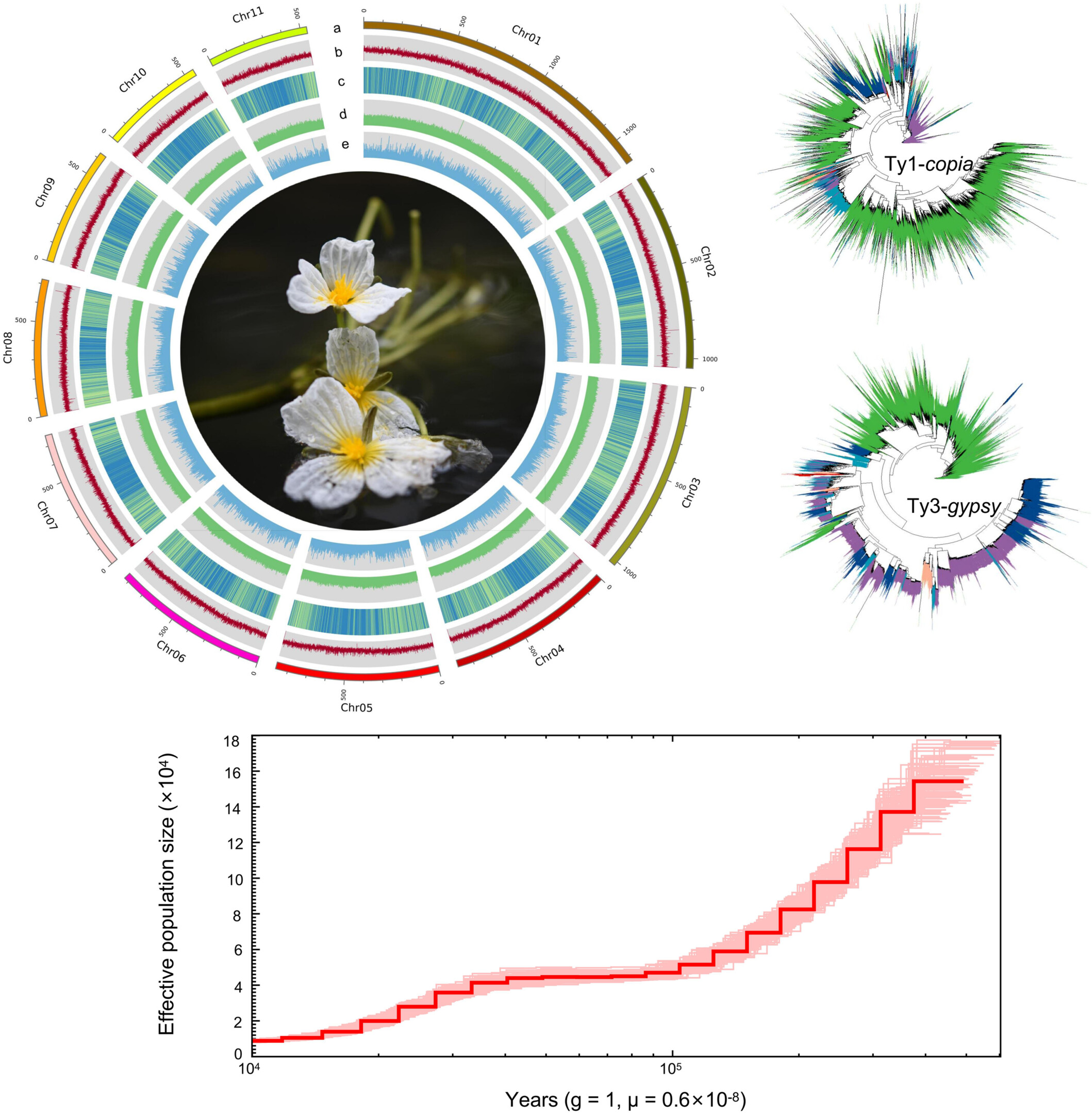
    Aquatic angiosperms represent an important but underexplored lineage for understanding genome evolution, particularly in species with exceptionally large genomes. Here, we present a chromosome-scale genome assembly of the endangered aquatic monocot Ottelia songmingensis (~10.8 Gb), providing a valuable genomic resource for studying genome gigantism and conservation. Using ONT and Hi-C technologies, we anchored 87.7% of the assembly to 11 pseudochromosomes and predicted 35362 protein-coding genes. Comparative genomics revealed two whole-genome duplication events, including a more recent duplication and an ancestral triplication shared within Alismatidae. Repetitive elements constitute 94.3% of the genome, with long terminal repeat retrotransposons alone accounting for over 90%. A recent burst of LTR activity (~6 Mya) combined with a low solo-to-intact ratio (0.61) suggests inefficient transposon removal as a driver of genome expansion. Whole-genome bisulfite sequencing showed globally high DNA methylation levels (CG ~ 85%, CHG ~ 78%), particularly enriched in transposable element-rich regions, highlighting the role of epigenetic regulation in stabilizing large genomes. Population resequencing further indicated extremely low nucleotide diversity (π = 5.31 × 10⁻⁴) and a long-term decline in effective population size since the Middle Pleistocene. Together, these resources provide a genomic foundation for exploring the evolutionary forces underlying genome gigantism and for guiding conservation genomics in endangered aquatic plants.
    In the endangered aquatic monocot Ottelia songmingensis (~10.8 Gb), LTR retrotransposons (>90%) and inefficient removal, together with two whole-genome duplications, jointly drove genome gigantism. A recent burst of LTR activity further accelerated expansion. Population resequencing revealed extremely low nucleotide diversity and long-term decline, underscoring both the evolutionary forces behind genome gigantism and urgent conservation concerns.
  • Qinfeng Guo, Hong Qian, and Jian Zhang
    J Syst Evol. 2026, 64(3): 499-506.
    https://doi.org/10.1111/jse.70038
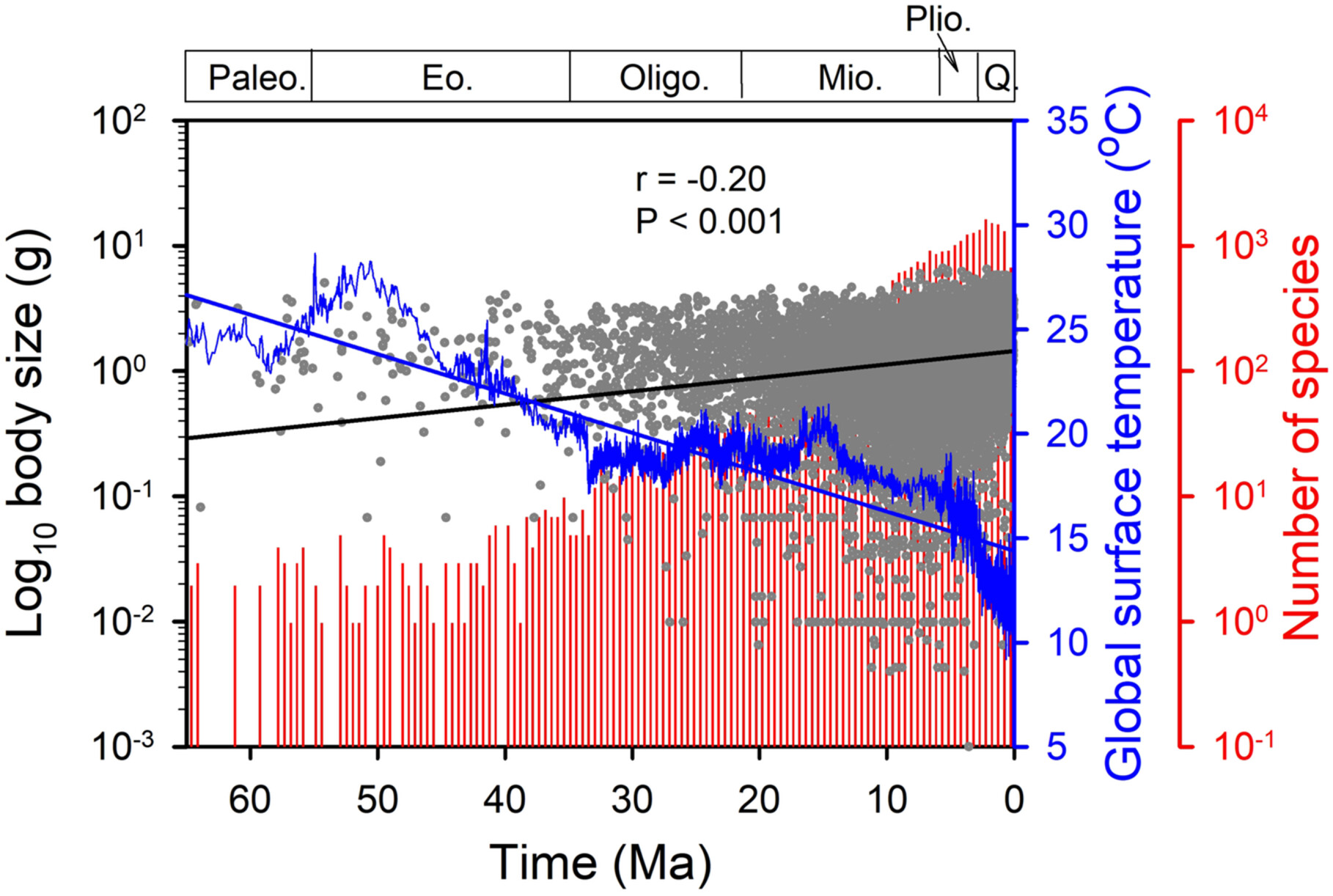
    Body size is among the key subjects in macroecology and macroevolution with important implications for conservation. Two major rules have been proposed to explain how body size changes over evolutionary time (Cope’s rule) and across temperature gradients (Bergmann’s rule). To date, however, the applicability of both rules to global terrestrial vertebrates (tetrapod) remains elusive. Here, using the newly available data, we comparatively examined the temporal variation in species body size of the world’s extant tetrapod species (tetrapoda as a whole) and of each class, amphibians (Amphibia), reptiles (Reptilia), mammals (Mammalia), and birds (Aves), through the Cenozoic Era. When all four classes were considered together, the species’ body size had increased over time and was negatively correlated with global surface temperature. However, separate analyses on each of the four classes showed that reptiles and mammals tended to support Cope’s rule while birds and amphibians did not. Also, we found no clear difference in temporal body size variation between endothermic and ectothermic species. Overall, the support for Bergmann’s rule was much stronger than that for Cope’s rule. Future research using more complete and compatible body size data from fossils is needed to better understand how species’ body size evolves over time and across space.
    Using the species phylogenetic age and body size of the world's extant terrestrial vertebrate species, we comparatively examined the temporal variation in diversity and body size through the Cenozoic Era. When all four classes were considered together, the mean species' body size had increased over time and was negatively correlated with global surface temperature, but each class showed a somewhat unique pattern. These results help interpret multiple macroecological and biogeographic patterns and processes.
  • Huanhuan Xie, Yixi Wang, Lei Zhang, Yaoqi Li, Ruijing Cheng, Xin Liang, Nawal Shrestha, Leonel Herrera-Alsina, Hong Chang, Khoon Meng Wong, Keming Yang, Xinlan Chen, Rafaela Jorge Trad, Danilo Neves, Dimitar Dimitrov, Pengshan Zhao, Xiaoting Xu, Jianquan Liu
    J Syst Evol. 2026, 64(3): 507-519.
    https://doi.org/10.1111/jse.70039
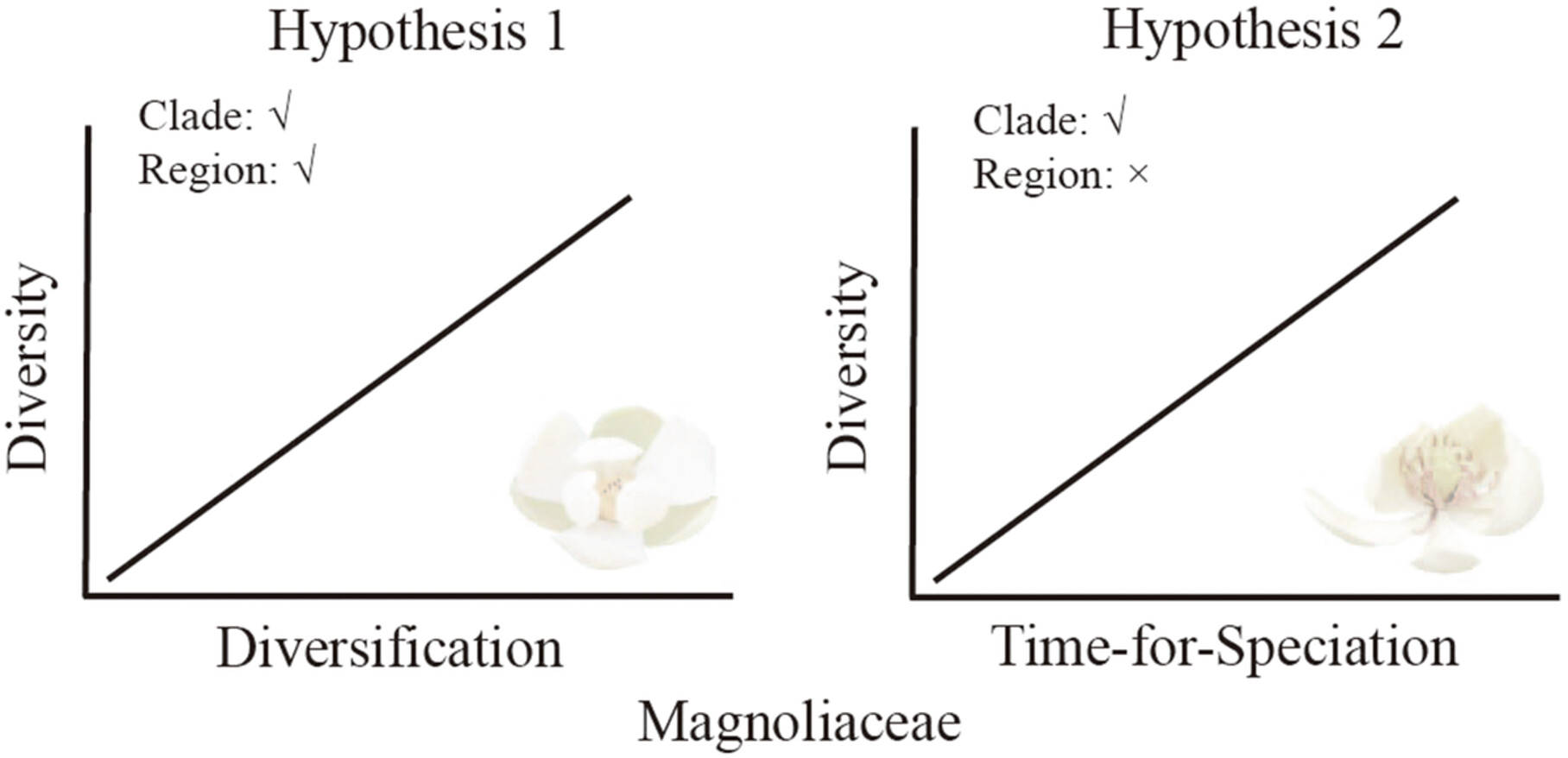
    Magnoliaceae, a typical boreotropical relict lineage, shows striking species richness in tropical regions, making it an important model for testing the time-for-speciation and diversification rate hypotheses for present-day diversity patterns. Here, we reconstructed a time-calibrated phylogeny using plastomes from 123 species, representing Liriodendron and all 15 sections of Magnolia, and investigated its colonization and diversification history. Our results reveal that Magnoliaceae likely experienced peak extinction during the mid-Eocene, accompanied by a range contraction from high latitudes to the amphi-Pacific tropics, followed by the rise of tropical clades with rapid diversification. Phylogenetic generalized least squares analysis demonstrates that diversification rate explains clade-level diversity variation more strongly than time for speciation. Tropical regions, such as South America and Southeast Asia, with high Magnoliaceae diversity consistently show elevated diversification rates and shorter time for speciation. These results indicate that higher diversification rate, rather than longer time for speciation, explains the high diversity of Magnoliaceae in tropical clades and regions. Our findings not only shed light on the evolutionary history of Magnoliaceae but also provide important insights into the broader processes that shape tropical biodiversity.
    The boreotropical relict Magnoliaceae, now rich in the tropics, experienced a major range contraction from high latitudes to the amphi-Pacific tropics following the mid-Eocene extinction. This historical retreat was followed by the rapid radiation of tropical clades. We show that extant species richness is strongly explained by elevated diversification rates, rather than the time-for-speciation effect, establishing that accelerated speciation drives the high tropical diversity observed in this lineage.
  • Étienne Lacroix-Carignan, Julian R. Starr, Robert F. C. Naczi, Eran S. Kilpatrick, Étienne Léveillé-Bourret
    J Syst Evol. 2026, 64(3): 520-535.
    https://doi.org/10.1111/jse.70036
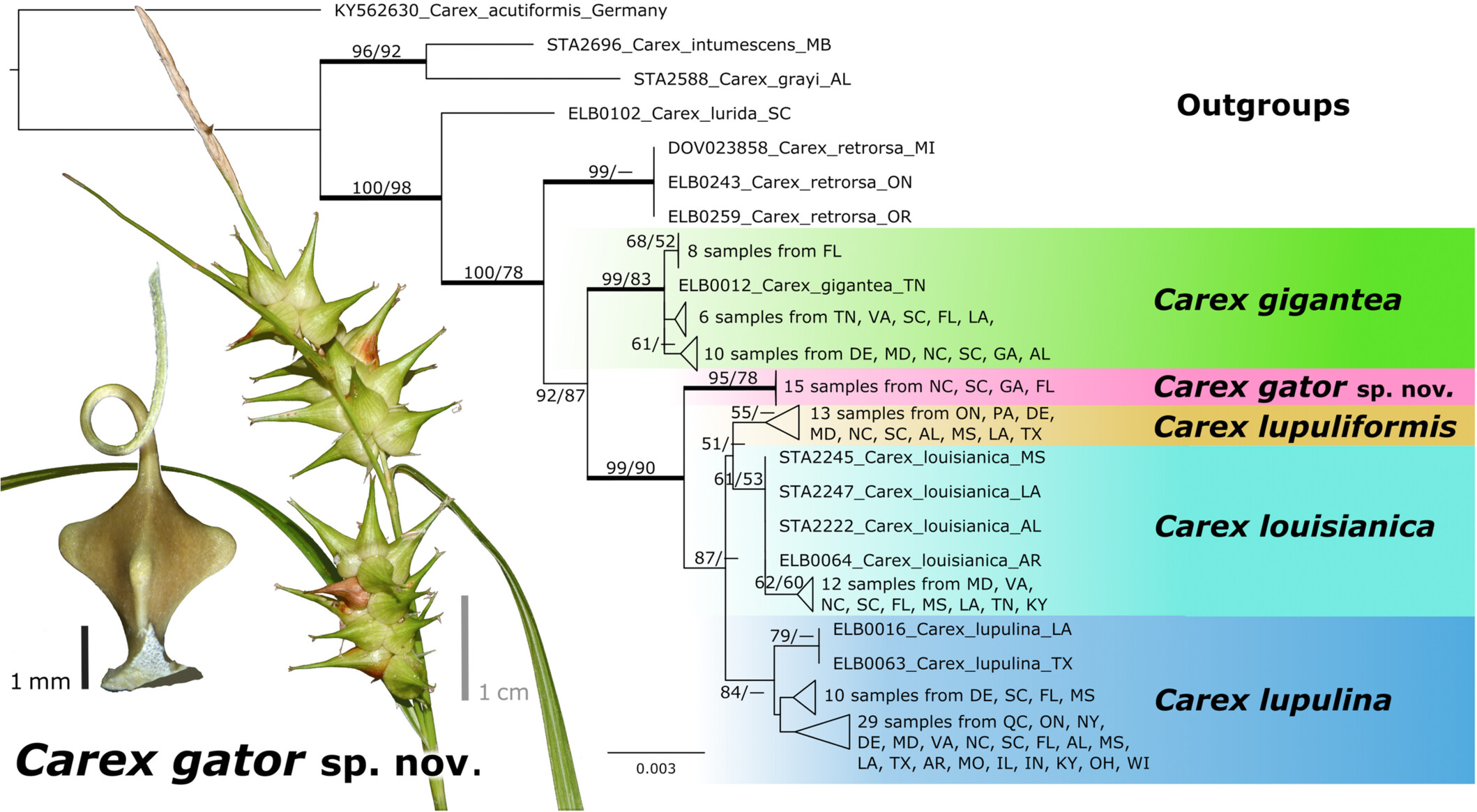
    A major obstacle to biodiversity conservation is that thousands, if not millions, of plant and animal species have yet to be discovered and described, even in historically well-explored regions. Carex sect. Lupulinae (Cyperaceae; “sedges”) is a small group of six showy Eastern North American species that, until recently, was thought to be well understood. However, a DNA barcoding study of North American Carex undertaken over a decade ago serendipitously revealed unsuspected molecular diversity, including one potentially undescribed cryptic species. Here, we test the hypothesis that this entity is a species on a separate evolutionary trajectory by expanding barcoding results with an integrative approach that combines a densely-sampled molecular phylogeny (five plastid and two nuclear markers, 112 sequenced specimens), morphometric analyses (93 characters, > 300 measured specimens), ecological field surveys, and common greenhouse observations. Results all support the recognition of a new, abundant species common in the southeastern United States' Coastal Plain that we name Carex gator. This study highlights how integrative taxonomy can help to describe cryptic plant species revealed by DNA barcoding. We provide illustrations, a distribution map, and an identification key, and discuss how C. gator may be a rare example of homoploid sympatric speciation in plants.
    We present the most densely sampled phylogeny of Carex section Lupulinae to date (107 specimens) and describe herein a new cryptic species for science from the southern United States, which is locally abundant and found in well-explored and densely populated areas. Combining DNA sequences with morphometric data obtained from 299 samples, we Demonstrate that this new species is genetically and morphologically distinct and provide an identification key for use by other biologists. Phenological and ecological patterns observed from field surveys and a common greenhouse garden are also discussed, and various hypotheses are proposed concerning why and how this group of closely related species diversified.
  • Matheus de T. Moroti, Jhonny J. M. Guedes, Guilherme M. Missio, Giovana L. Diegues, Alexandra M. R. Bezerra, and Mario R. Moura
    J Syst Evol. 2026, 64(3): 536-547.
    https://doi.org/10.1111/jse.70040
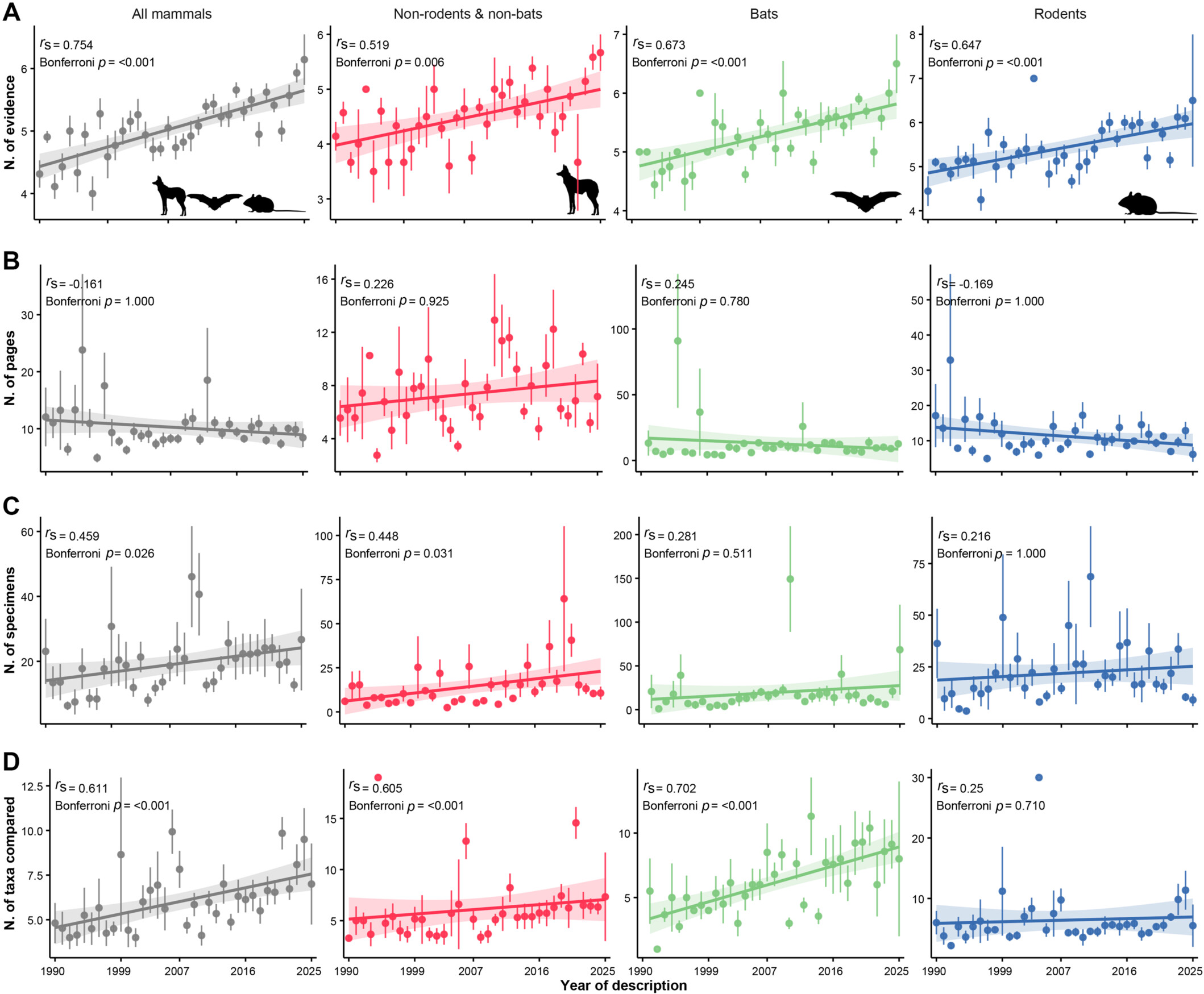
    Species descriptions have become increasingly comprehensive, yet disparities persist across taxa and regions. We assess temporal trends in mammal species descriptions (1990-2025) using four proxies of comprehensiveness—counts of examined specimens and compared taxa, number of pages (only from the Methods/Results sections), and number of evidence lines (i.e., analytical tools and techniques). Using generalized linear models, we assessed how these proxies are explained by factors associated with species’ biology, geography, and taxonomic practice. Most new species originate from tropical regions, particularly among rodents and bats, reflecting the global discovery hotspots. Descriptions have grown more rigorous over time, with expanded specimen sampling, broader taxonomic comparisons, and integrative methods. However, disparities emerge along geographic and biological axes: descriptions from temperate regions incorporate more evidence lines, while small-bodied and tropical species (especially bats) remain understudied due to sampling biases and resource limitations. Body size inversely correlates with description length, as smaller species often require advanced diagnostics. Species-rich genera show greater comprehensiveness, likely due to heightened diagnostic scrutiny. Our findings highlight progress in taxonomic rigor but underscore persistent gaps tied to geography, body size, and accessibility of analytical tools. Addressing these disparities requires targeted investments in local capacity, equitable collaboration, and accessible methodologies to strengthen global taxonomic infrastructure and support conservation priorities.
    Taxonomic descriptions of mammals have become more robust from 1990 to 2025, with increased specimen sampling, broader comparisons, and more integrative methods. However, disparities remain: tropical and small-bodied species are less comprehensively described, reflecting ongoing geographic and biological biases.
  • Guan-Long Cao, Yi-Min Zhao, Lian Lian, Huan-Wen Peng, Qiang Zhang, Jing Long, Xiao-Qian Li, Andrey S. Erst, Wei Wang
    J Syst Evol. 2026, 64(3): 548-563.
    https://doi.org/10.1111/jse.70045
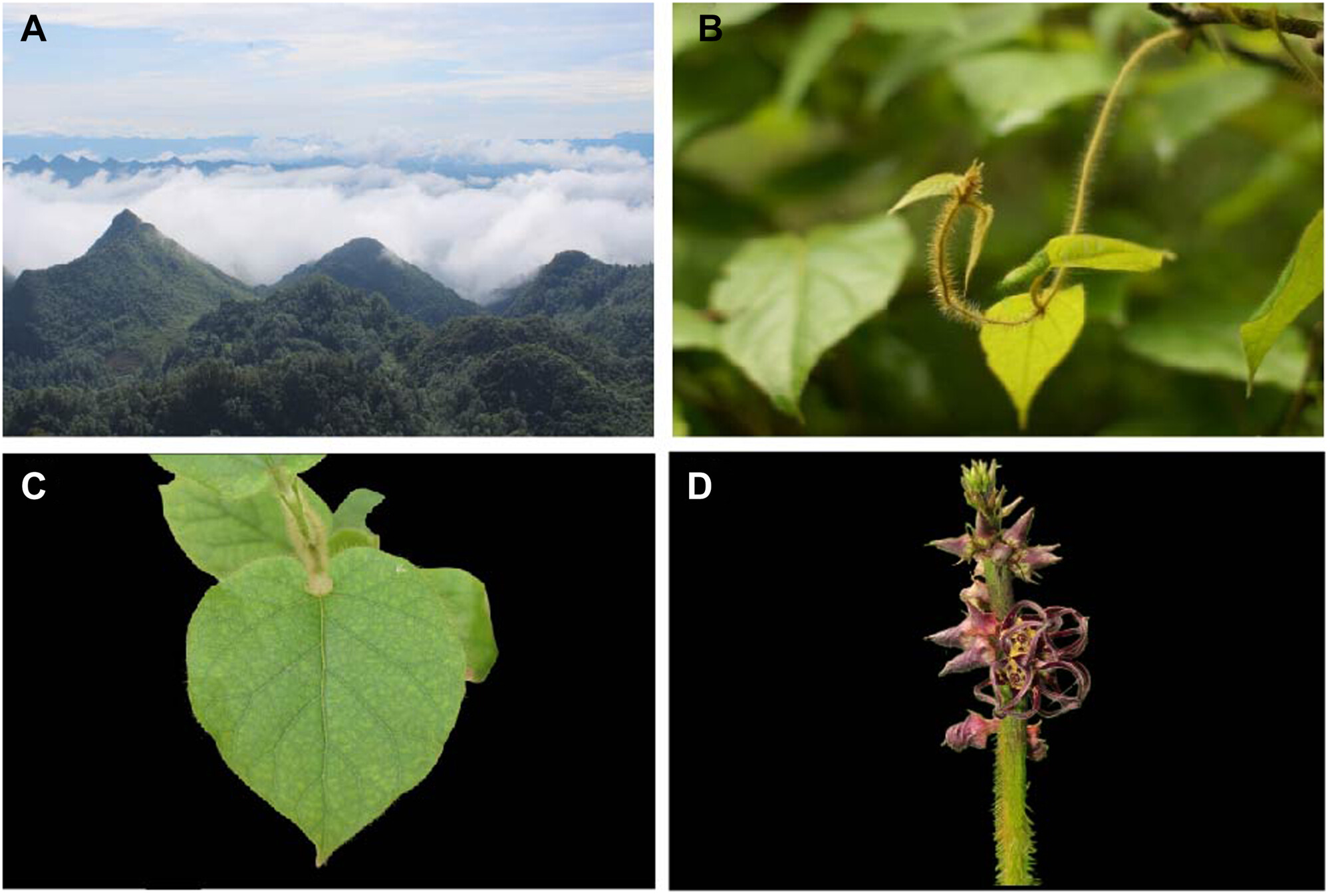
    Dolichopetalum is a monotypic liana genus of Apocynaceae and is restricted to subtropical montane forests in Asian subtropical karst areas. In this study, we used plastome data to examine the tribal position of Dolichopetalum within the family, and four plastid and three nuclear loci to further clarify its relationship and taxonomic status. We also estimated the time of origin of Dolichopetalum and modeled its range change by estimating the potential historic and current distributions. Our family-wide phylogenetic analysis confirms that Dolichopetalum belongs to the tribe Marsdenieae. Our subsequent analyses of Marsdenieae further suggest that Dolichopetalum is a distinct genus and has a distant relationship with Marsdenia s.str., challenging the traditional viewpoint. Dolichopetalum is probably allied to Campestigma, Cionura, Harmandiella, and Gongronema-Dischidanthus-Sarcolobus, and originated at about 11 Ma and rapidly diverged with its four allies over a period of less than three million years, which might be associated with the intensified East Asian monsoon in the early Late Miocene. The distributional range of Dolichopetalum may have undergone a dramatic contraction since the Last Glacial Maximum and will likely further shrink and undergo fragmentation in the future, possibly driven by global warming and desertification in Asian subtropical karst areas. This study provides new insights into the evolutionary history of Dolichopetalum and will have important conservation implications for the unique biodiversity of Asian subtropical karst areas under climate change scenarios.
    Dolichopetalum is recognized as a distinct genus in Marsdenieae and has a distant relationship with Marsdenia, challenging the traditional viewpoint. This endemic genus originated from Asian subtropical karsts at about 11 Ma, possibly driven by the intensified East Asian monsoon at that time. The distributional range of Dolichopetalum may have undergone a dramatic contraction since the Last Glacial Maximum, associated with global warming and rocky desertification.
  • Hong Qian, Michael Kessler, Shenhua Qian
    J Syst Evol. 2026, 64(3): 564-571.
    https://doi.org/10.1111/jse.70047
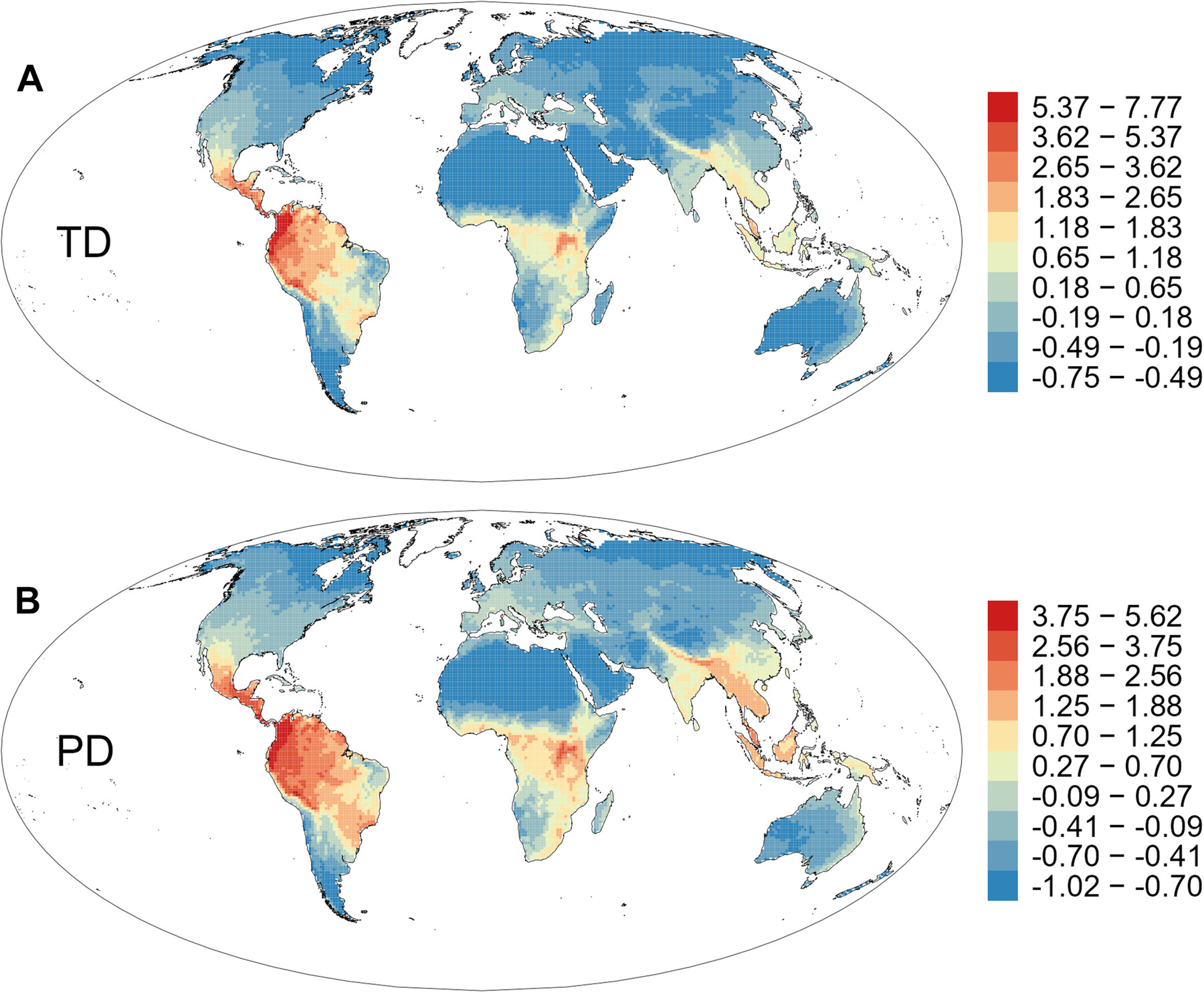
    Taxonomic diversity (TD) and phylogenetic diversity (PD) are two important metrics of biodiversity, but they are often mismatched in many areas across the world. This geographic mismatch, typically identified through assessment of relative phylogenetic diversity (RPD), is associated with climatic conditions and is critical not only to understanding the origin and maintenance of biodiversity but also conservation planning. Here, using a comprehensive data set of butterflies across the world, we explore geographic patterns of RPD and its relationships with climatic factors. Butterfly species assemblages used in this study are species in 12 407 grid cells across the world. We use two different metrics to measure RPD: one directly relating PD to TD (PDdev) and the other exploring variation on phylogenetic branch length (Mishler's RPD). We find that RPD is higher in humid subtropical and tropical regions, where butterflies originated and maintain many distinct phylogenetic lineages, and is lower in temperate and arid tropical regions as well as in geologically young mountains, where there are fewer major phylogenetic lineages and where regional radiations form clusters of closely related species. The patterns of PDdev and Mishler's RPD are largely similar, but PDdev is more strongly related to temperature, whereas Mishler's RPD is more strongly related to precipitation, suggesting that these metrics capture different ways in which climate influences PD. Overall, areas with higher RPD likely hold higher evolutionary potential than areas with equivalent species richness but lower RPD, so that areas of high RPD would be of particular interest for biodiversity conservation.
    Geographic patterns of (A) taxonomic (species) diversity (TD) and (B) phylogenetic diversity (PD) for butterflies worldwide. The geographic variation of TD and PD is similar. They both peaked in tropical South America and were lowest in arid or cold regions such as northern Africa, western Australia, central Asia, and areas at high latitudes in both Northern and Southern Hemispheres. However, TD and PD diverge in some regions.
  • Dan Huang, Xuping Zhou, Shanshan Dong, Wei Sheng, Qin Zuo, Li Zhang, Wen-Zhang Ma, G. Karen Golinski, Alain Vanderpoorten, Bernard Goffinet, Yang Liu, Tao Peng
    J Syst Evol. 2026, 64(3): 572-582.
    https://doi.org/10.1111/jse.70051
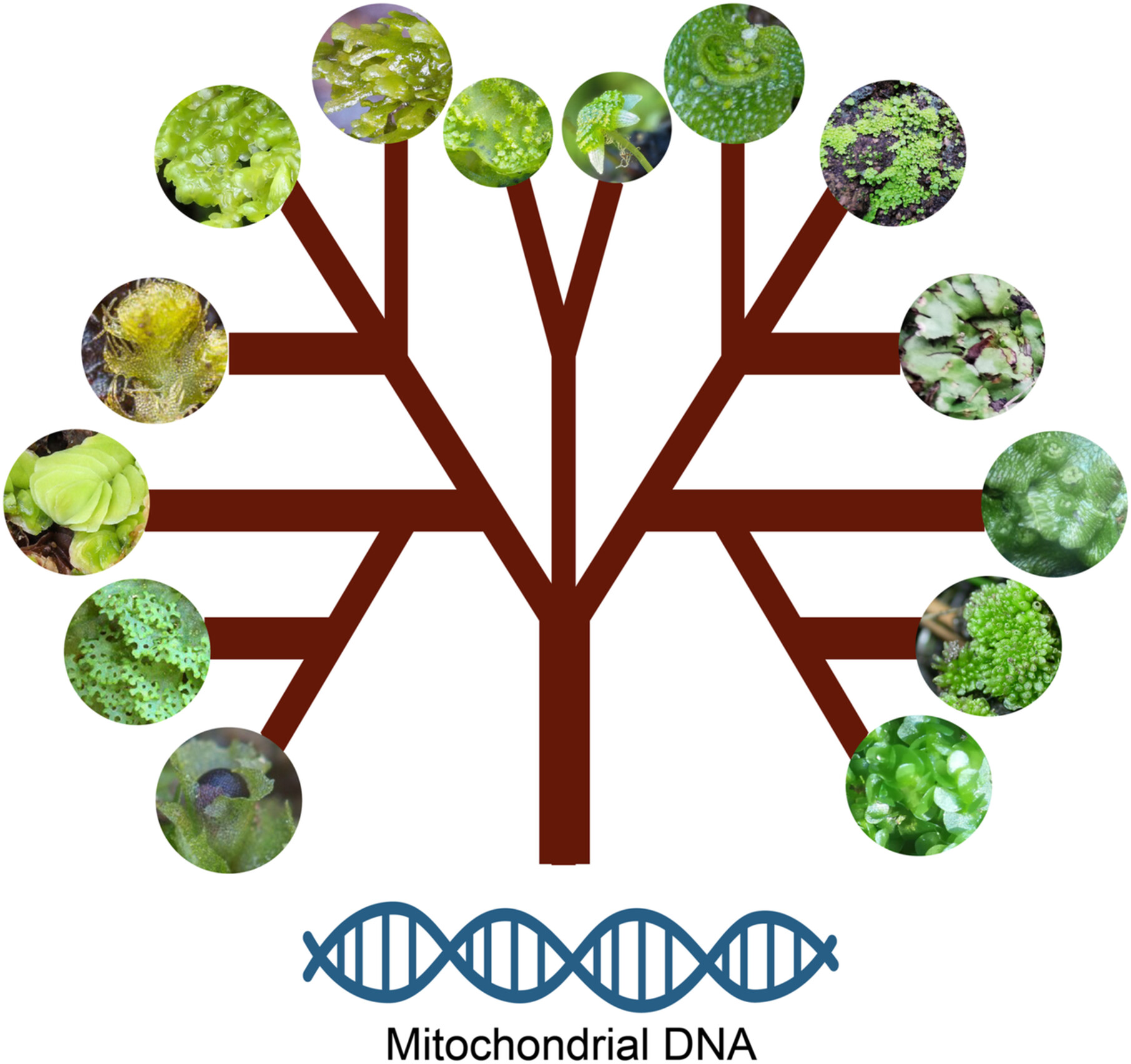
    Liverworts, with approximately 7300 species worldwide, exhibit remarkable morphological diversity in terms of growth form, ontogeny, and architecture. Their mitochondrial genome exhibits lower average substitution rates compared to their nuclear and plastid genomes, and shows less structural variation, suggesting its suitability for inferring relationships at higher taxonomic levels. In this study, we substantially expanded mitochondrial sampling in liverworts by adding complete mitochondrial gene sets from 97 species across 25 families, thereby increasing family-level coverage to 71%. Among these, we newly assembled 23 complete mitochondrial genomes. Although four species with structural variants were newly identified, the overall architecture of liverwort mitochondrial genomes remains highly conserved, with taxa that diverged over 470 million years ago still having collinearity. Phylogenetic inferences from mitochondrial genome sequences confirmed the monophyly of most suprafamilial taxa, with the exceptions of Porellales, Ptilidiales, and Pelliidae. Herzogianthus (Ptilidiales) was well-supported as a sister group to Jungermanniales sensu lato, rather than forming a monophyletic lineage with Ptilidium (Ptilidiales). This work provides an important resource for future genetic and phylogenetic studies of liverworts.
    This study reconstructs the evolutionary history of liverworts using mitochondrial genome data. By analyzing phylogenetic relationships, our findings provide new insights into the origin of liverworts, shedding light on early land plant evolution.
  • Barbara Valle, Arianna Crosta, Rahmat U. Baig, Roberto Ambrosini, Guglielmina A. Diolaiuti, Valeria Lencioni
    J Syst Evol. 2026, 64(3): 583-596.
    https://doi.org/10.1111/jse.70060
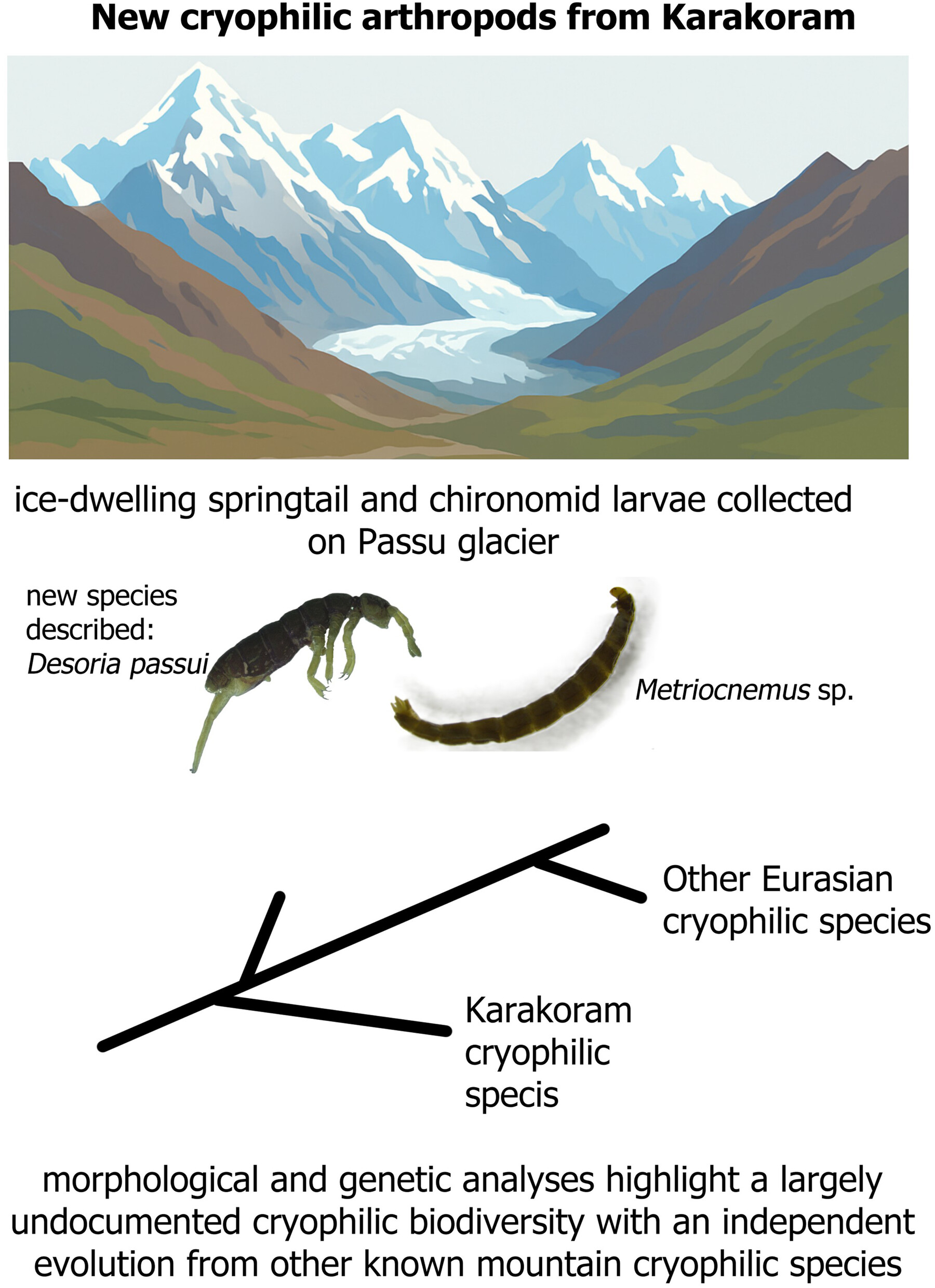
    Glaciers in High Mountain Asia, despite their vast extent, harbor poorly understood biodiversity compared to other mountain ranges. This study describes a new species of springtail, Desoria passui sp. n., and reports chironomid found as larva from the Passu Glacier in the Pakistani Karakoram. Phylogenetic analyses reveal that D. passui sp. n. is genetically distinct from known cryophilic springtails in European mountain ranges, indicating a local evolutionary lineage. Similarly, the chironomid larvae represent a potentially undescribed species within Metriocnemus that does not form a sister group but is instead affiliated also with other barcoded Eurasian species associated with glacial habitats. These findings suggest that the cryophilic arthropod diversity of the Karakoram remains largely undocumented and their evolutionary history is independent of other known mountain cryophilic species. Given the ongoing glacier retreat, documenting and understanding this hidden biodiversity are critical for informing conservation strategies and assessing ecosystem responses to climate change.
    Overview of the newly discovered cryophilic arthropods from Passu Glacier (Karakoram, West Himalayas), investigated with integrative taxonomy, highlighting their evolutionary distinctiveness and the understudied glacial biodiversity of High Asia.
  • Correction