Table of Contents

September 2026, Volume 64 Issue 5
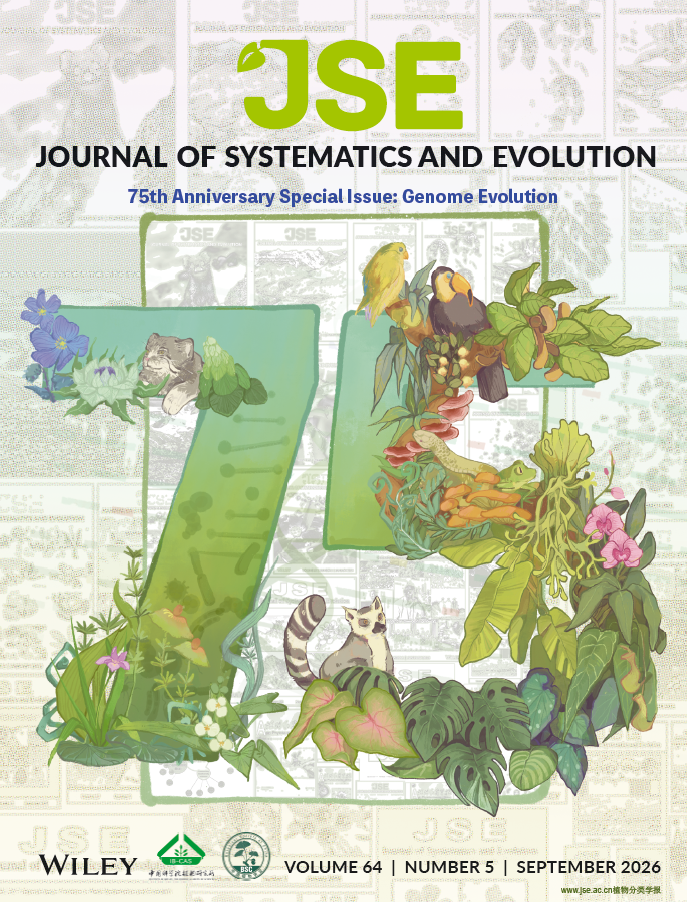
Cover illustration: Celebrating JSE’s 75th Anniversary. The central “75” artwork depicts a diverse terrestrial ecosystem featuring plants, animals, and microbes, and the background showcases a series of previous JSE covers. This design emphasizes genome evolution and celebrates 75 years of advancing phylogeny and evolutionary biology. Cover design by Taikui Zhang, illustration by Zhiling Li.
  
    Editorial
  • Taikui Zhang, Yuannian Jiao, Wen‐Jun Li, Huabin Zhao
    J Syst Evol. 2026, 64(5): 837-841.
    https://doi.org/10.1111/jse.70126
  • News and Views
  • Bing Liu, Su Liu, Ren‐Bin Zhu, Richard G. Olmstead, Bo Li
    J Syst Evol. 2026, 64(5): 842-844.
    https://doi.org/10.1111/jse.70129
  • Review
  • The Angiosperm Phylogeny Group. Recommended citation: APG V (2026). This paper was compiled by James W. Byng, Mark W. Chase, Maarten J. M. Christenhusz, Michael F. Fay, De-Zhu Li, Hong Ma, David J. Mabberley, Douglas E. Soltis, Pamela S. Soltis, and Peter F. Stevens, who are equally responsible and listed here in alphabetical order, with contributions, also in alphabetical order, from William J. Baker, Steven Dodsworth, Félix Forest, Olivier Maurin, Lisa Pokorny, Stephen A. Smith, and Alexandre R. Zuntini
    J Syst Evol. 2026, 64(5): 845-874.
    https://doi.org/10.1111/jse.70096
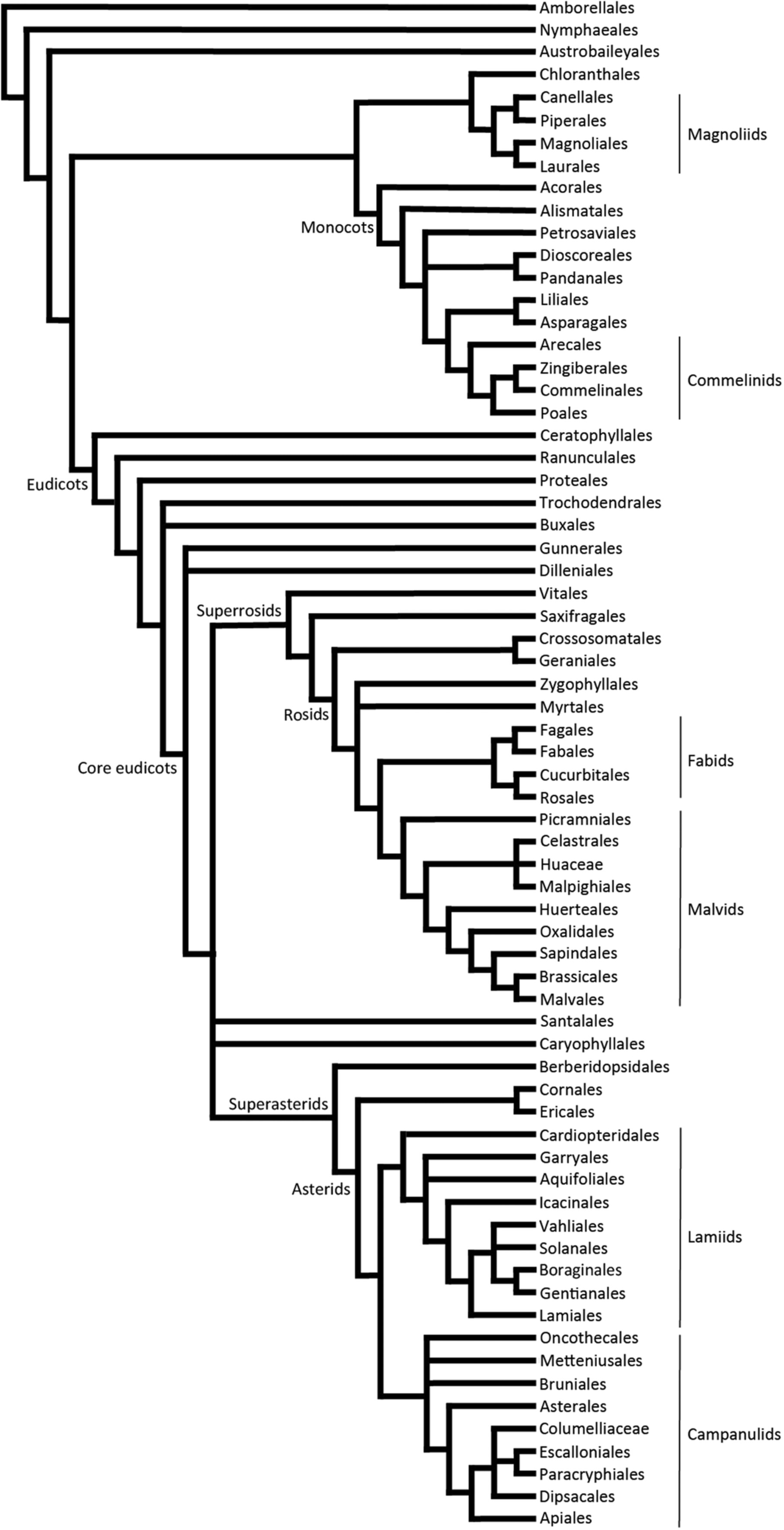
    We present here a revision of the APG classification that considers the extensive recent analyses of hundreds of nuclear and plastid genes for many angiosperm species. Although previous versions of the APG classification were largely based on uniparentally inherited markers (plastid DNA, typically maternally inherited), there has emerged since APG IV extensive evidence of widespread hybridization and inheritance of ancestral polymorphisms. Despite this evidence of gene-tree discordance, most of the APG IV classification is supported by both plastid and nuclear analyses, and only a few revisions are required in this update to make the classification parallel phylogenetic results in the literature. At the ordinal level, few changes in circumscription are required relative to the last APG version, although the fabids now comprise only the four nitrogen-fixing orders (Cucurbitales, Fabales, Fagales, and Rosales) and the malvids now include the former COM clade (Celastrales, Malpighiales, and Oxalidales), which, in nuclear DNA analyses, is no longer monophyletic. Oncothecales (with only Oncothecaceae) and Cardiopteridales (with Cardiopteridaceae and Stemonuraceae) are newly recognized, and Icacinales are restricted to Icacinaceae. Restriction of Aquifoliales and Bruniales to just Aquifoliaceae/Helwingiaceae and Bruniaceae, respectively, is also proposed. Huaceae and Columelliaceae are unplaced to order among the malvids and campanulids, respectively. At the family level, expanded circumscriptions include Tecophilaeaceae (including Ixioliriaceae, Asparagales), Frankeniaceae (including Tamaricaceae, Caryophyllales), Phytolaccaceae (including Agdestidaceae and Sarcobataceae, Caryophyllales), Helwingiaceae (including Phyllonomaceae, Aquifoliales), Gesneriaceae (including Calceolariaceae and Peltantheraceae, Lamiales), Pentaphylacaceae (including Sladeniaceae, Ericales), and Orobanchaceae (including Mazaceae, Paulowniaceae, Phrymaceae, and Wightiaceae, Lamiales). In Santalales, the limits of Santalaceae and Olacaceae are revised, and Erythropalaceae and Strombosiaceae are recognized as distinct from Olacaceae; Balanophoraceae are maintained as distinct from Santalaceae, but this is a tentative placement. Generic relationships in Dioscoreales require more analyses before a revised family classification can be proposed, so we maintain the APG IV families of this order.
    This revision of the APG classification considers the extensive recent analyses of hundreds of nuclear and plastid genes for many angiosperm species. Although previous versions of the APG classification were largely based on uniparentally inherited markers (plastid DNA, largely maternally inherited), there has emerged since APG IV extensive evidence of widespread hybridization and inheritance of ancestral polymorphisms. Despite evidence of gene-tree conflict, most of the APG IV classification is supported by both plastid and nuclear analyses, and only a few revisions are required in this update.

  • Guilian Sheng, Mingmin Zheng, Junxia Yuan, Xulong Lai
    J Syst Evol. 2026, 64(5): 875-894.
    https://doi.org/10.1111/jse.70115
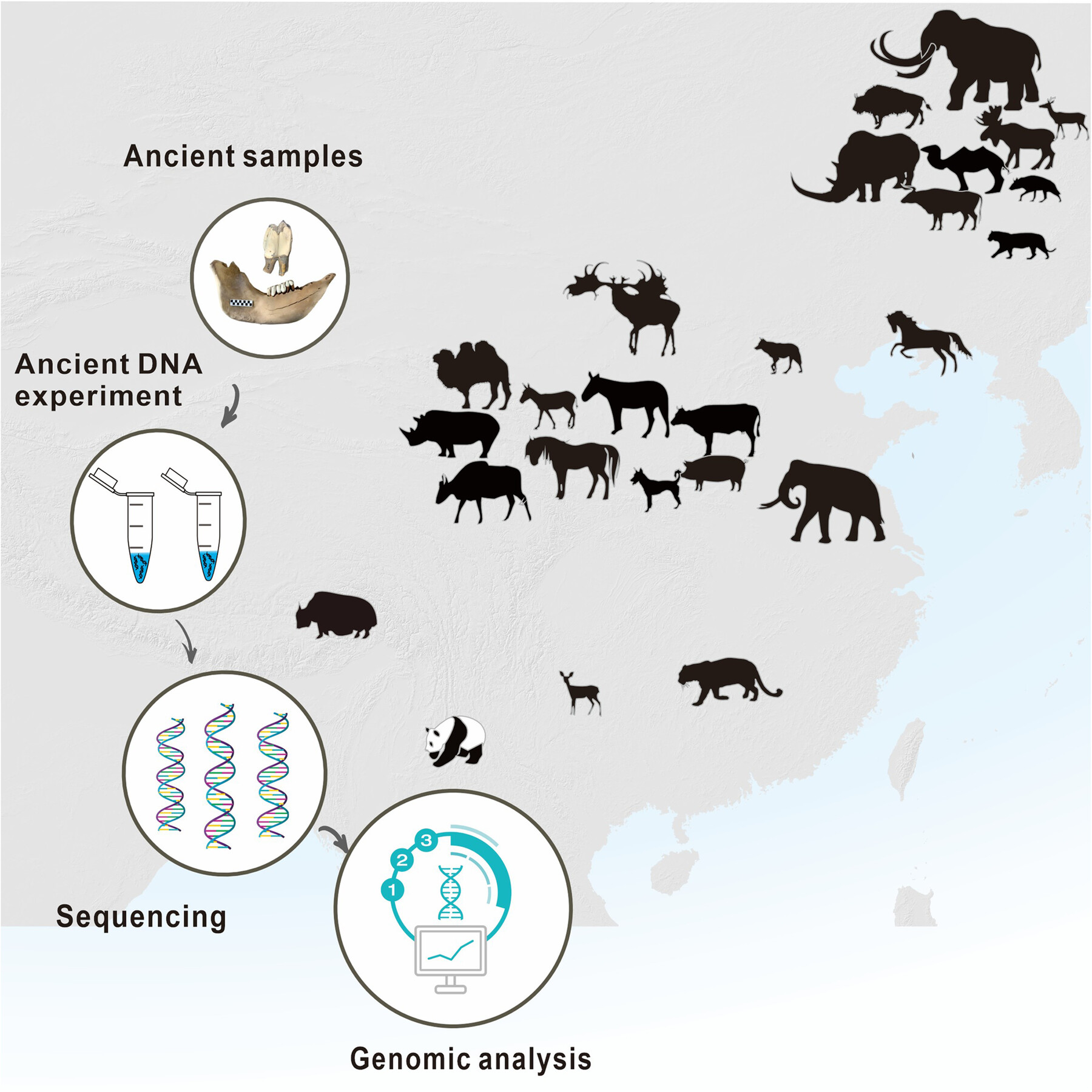
    Over the past two decades, advances in high-throughput-sequencing technology platforms and in the recovery of highly degraded DNA have ushered ancient DNA research into the era of deep-time paleogenomics, expanding sample ages from no more than 100 ka to the Early Pleistocene (~2 Ma). These developments have resolved long-standing phylogenetic controversies, refined reconstructions of the dispersal and population history across diverse taxa (including humans), and enabled direct investigation of molecular response to Quaternary climate change. Paleogenomics in China developed later than in Europe and North America, with early landmark breakthroughs largely focused on ancient human remains. However, China preserves one of the richest and most distinctive records of Quaternary megafauna, many lineages of which are morphologically and genetically differentiated from their western Eurasian counterparts. Here, we synthesize recent paleogenomic advances across major megafauna clades, including Proboscidea, Perissodactyla, Artiodactyla, and large Carnivora, to evaluate how time-resolved genomic data are reshaping systematics, phylogeography, and evolutionary interpretation of the Chinese Quaternary fauna. Current megafauna paleogenomic coverage remains taxonomically and geographically biased toward northern assemblages and mitochondrial datasets. We therefore outline key methodological and sampling priorities, including coordinated recovery of nuclear genomes and improved approaches for southern contexts with poor preservation, to position Chinese megafaunal paleogenomics as a platform for testing general models of megafauna responses to Quaternary climatic oscillations. These efforts refine the systematics and evolutionary history of Chinese Quaternary megafauna and provide a conceptual model for understanding how megafauna respond to Quaternary climate oscillations worldwide.
    The distribution of published paleogenomes from Quaternary megafauna in China reveals a significant northern sampling bias. Recovering and analyzing ancient DNA from megafauna remains through genomic sequencing enables the reconstruction of phylogeny, population structure, and demographic history. This approach provides insights into megafauna evolution and responses to Quaternary climatic fluctuations.
  • Kunpeng Li, Xin Yi, Yu Wang, and Yuannian Jiao
    J Syst Evol. 2026, 64(5): 895-910.
    https://doi.org/10.1111/jse.70118
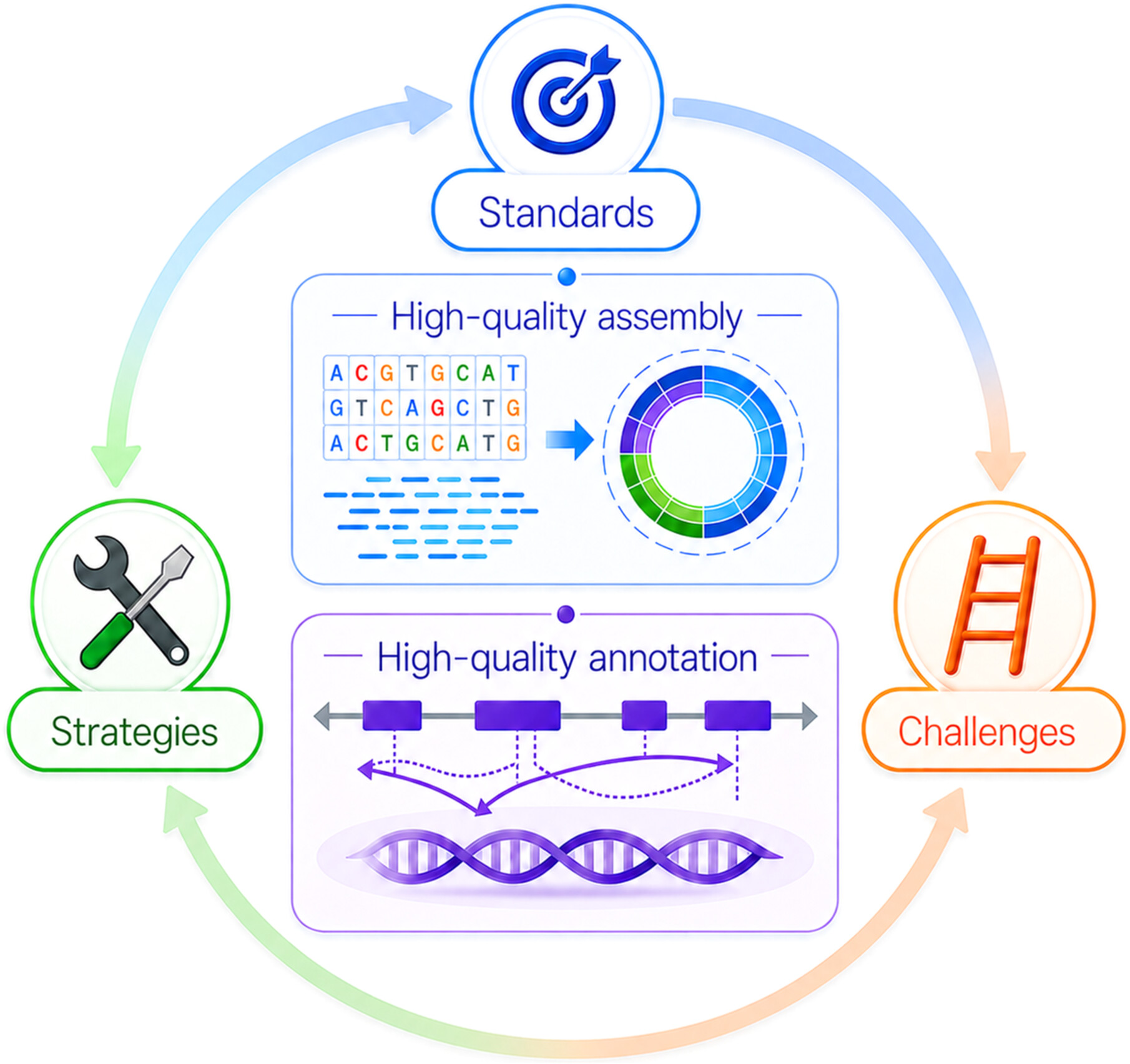
    Genomes provide the fundamental basis for understanding biological systems. Owing to rapid advances in sequencing technologies and assembly methods, the number of sequenced genomes has increased substantially. A high-quality genome should have high continuity, completeness, and accuracy in its assembly, along with comprehensive and precise annotations of protein-coding genes and other functional genomic elements. However, it is still difficult to fully achieve these standards due to technical limitations and the inherent genome complexity, especially for plant genomes. This review summarizes current major sequencing technologies and strategies for genome assembly and annotation, elucidates the major challenges encountered in the pursuit of truly high-quality genomes, and provides practical strategies for meeting high-quality genome standards. Finally, we highlight several emerging opportunities and promising research directions across the genomic landscape.
    High-quality genomes require continuous, complete, and accurate assemblies together with comprehensive and precise annotations. This review proposes key criteria for defining high-quality genomes, elucidates the major challenges encountered in their generation, and provides practical strategies for achieving high-quality genome assembly and annotation.
  • Bin-Bin Liu
    J Syst Evol. 2026, 64(5): 911-928.
    https://doi.org/10.1111/jse.70102
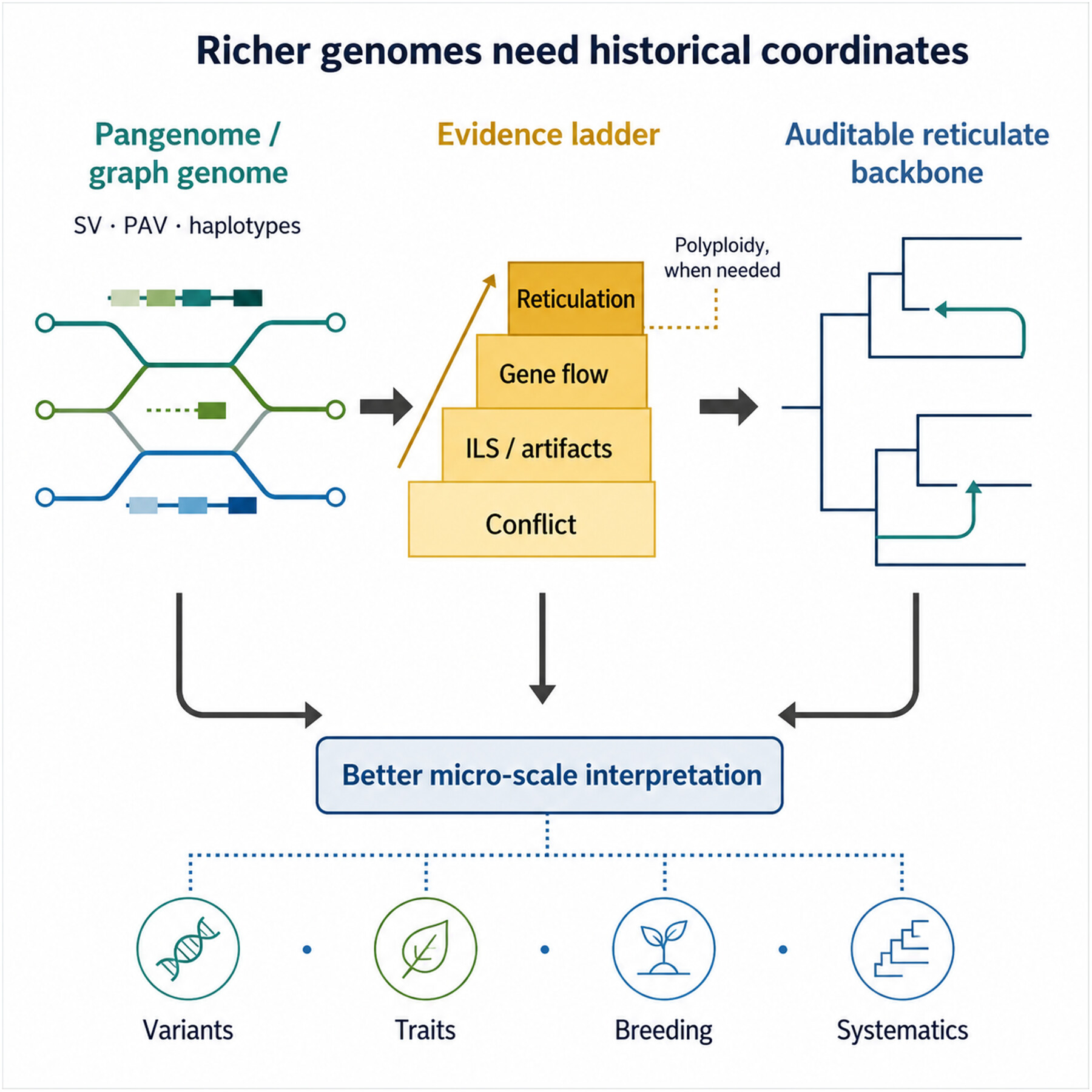
    As genomics moves from multilocus data sets to pangenomes and graph genome representations, the main challenge is no longer only to detect variation but also to explain how genomic features are distributed across lineages. Pangenomes and graph genomes reveal structural variants, alternative haplotypes, lineage‐ specific sequences, and complex patterns of lineage sharing. These signals, however, do not by themselves show whether a pattern reflects common ancestry, retained ancestral polymorphism, introgression, recurrent origin, or analytical artifact. This problem is especially acute in clades shaped by hybridization, introgression, and polyploidy, where a single bifurcating tree may be useful for some questions but misleading for others. Here, we argue that the pangenome era increases the need for explicit macroevolutionary coordinates. We propose a conservative evidence ladder that treats conflict first as an observation, evaluates incomplete lineage sorting and analytical artifacts before stronger process claims are made, and then considers introgression, backbone‐level reticulation, and, when necessary, polyploid‐aware interpretation. For many downstream questions, the output may be a compressed reticulate backbone rather than a fully elaborated network. Such a backbone should be auditable and retain only those departures from treeness that change comparative, functional, breeding‐oriented, or taxonomic interpretation. Examples from crop pangenomes, Rosaceae, and other conflict‐rich systems illustrate how macroevolutionary reasoning can improve the interpretation of micro‐scale genomic signals in the pangenome era.
    Pangenomes and graph genomes reveal structural and haplotypic variation, but do not explain why lineages share genomic features. A conservative evidence ladder evaluates conflict against incomplete lineage sorting, analytical artifacts, introgression, and polyploidy. When necessary, it supports an auditable reticulate backbone for comparative genomics, functional interpretation, breeding, and systematics.
  • Research Article
  • Jinyin Xing, Qiongqiong Lin, Dongming Fang, Lingling Lin, Fang Wang, Jingwei Zhou, Handong Su, Wen-Bin Yu, Gang Hao, Tong Wei, Xing Guo
    J Syst Evol. 2026, 64(5): 929-947.
    https://doi.org/10.1111/jse.70124
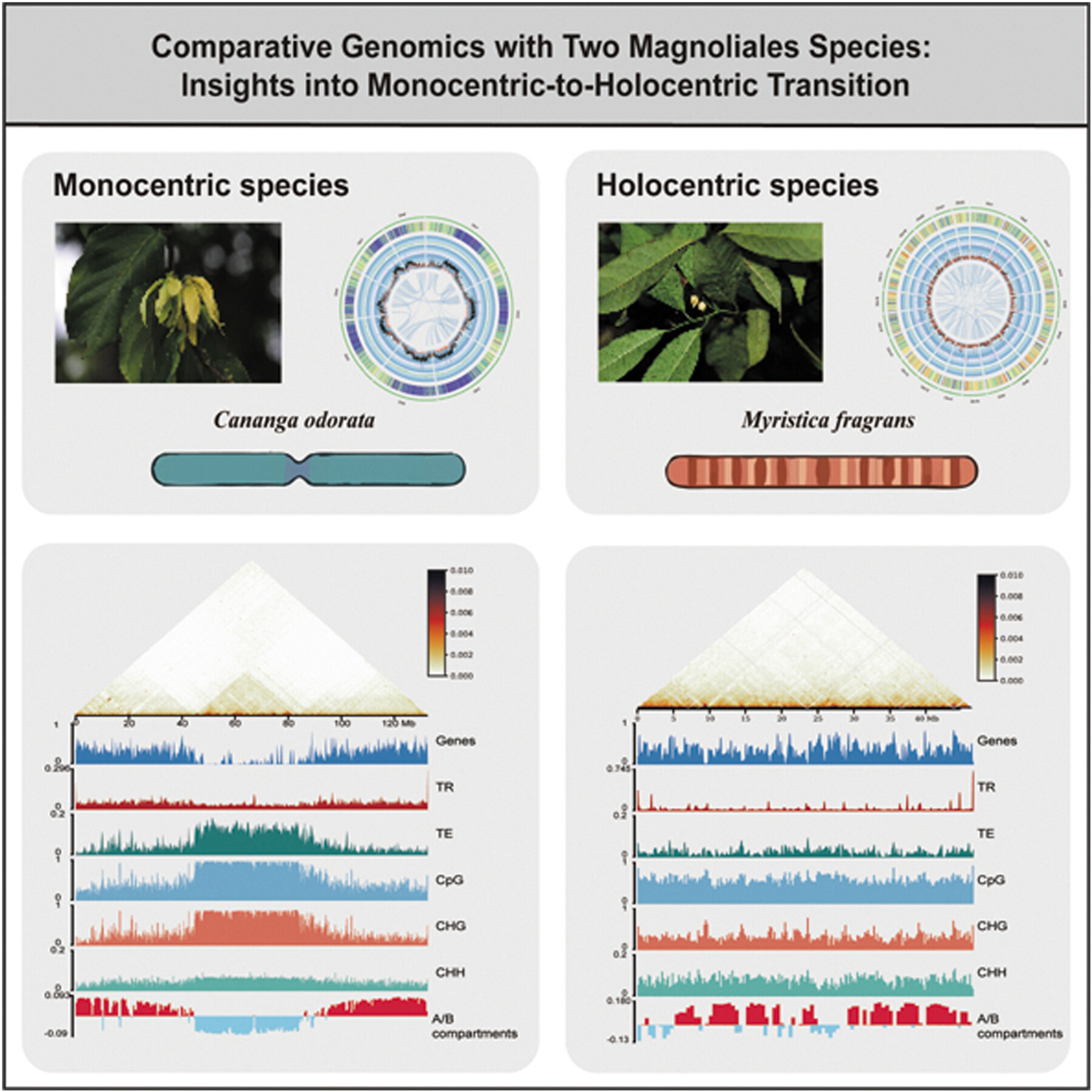
    Unlike most plants with localized monocentromeres, some Magnoliales species possess holocentric chromosomes. To investigate the genomic basis of this difference, we generated chromosome-level genomes for the holocentric species Myristica fragrans and the monocentric species Cananga odorata and performed comparative multi-omics analyses. We found that C. odorata shows localized heterochromatin enrichment and clustered transposable elements, whereas M. fragrans exhibits a more dispersed chromatin organization. Despite these differences, centromere-associated regions in both species are positively associated with mCG/mCHG and heterochromatin-related chromatin compartments, while differing in mCHH patterns and repetitive sequence landscapes. Our analyses further suggest that the emergence of holocentricity in Myristica is unlikely to be explained by whole-genome duplication events or major structural changes in core kinetochore proteins. Instead, lineage-specific remodeling of repetitive sequences and epigenetic states may have contributed to centromere reorganization. These results provide new insights into centromere diversification in Magnoliales.
    High-quality chromosome-level genomes of two Magnoliales species with monocentromeric and holocentromeric chromosomes and comparative multi-omics analyses uncovered distinct genomic and epigenetic signatures of mono- and holocentromeres, providing insights into chromosome evolution in early-divergent angiosperms.
  • Wenkai Teng, Xiaofeng Zhou, Lianghu Qu, Xiao Feng, Lingling Zheng
    J Syst Evol. 2026, 64(5): 948-962.
    https://doi.org/10.1111/jse.70093
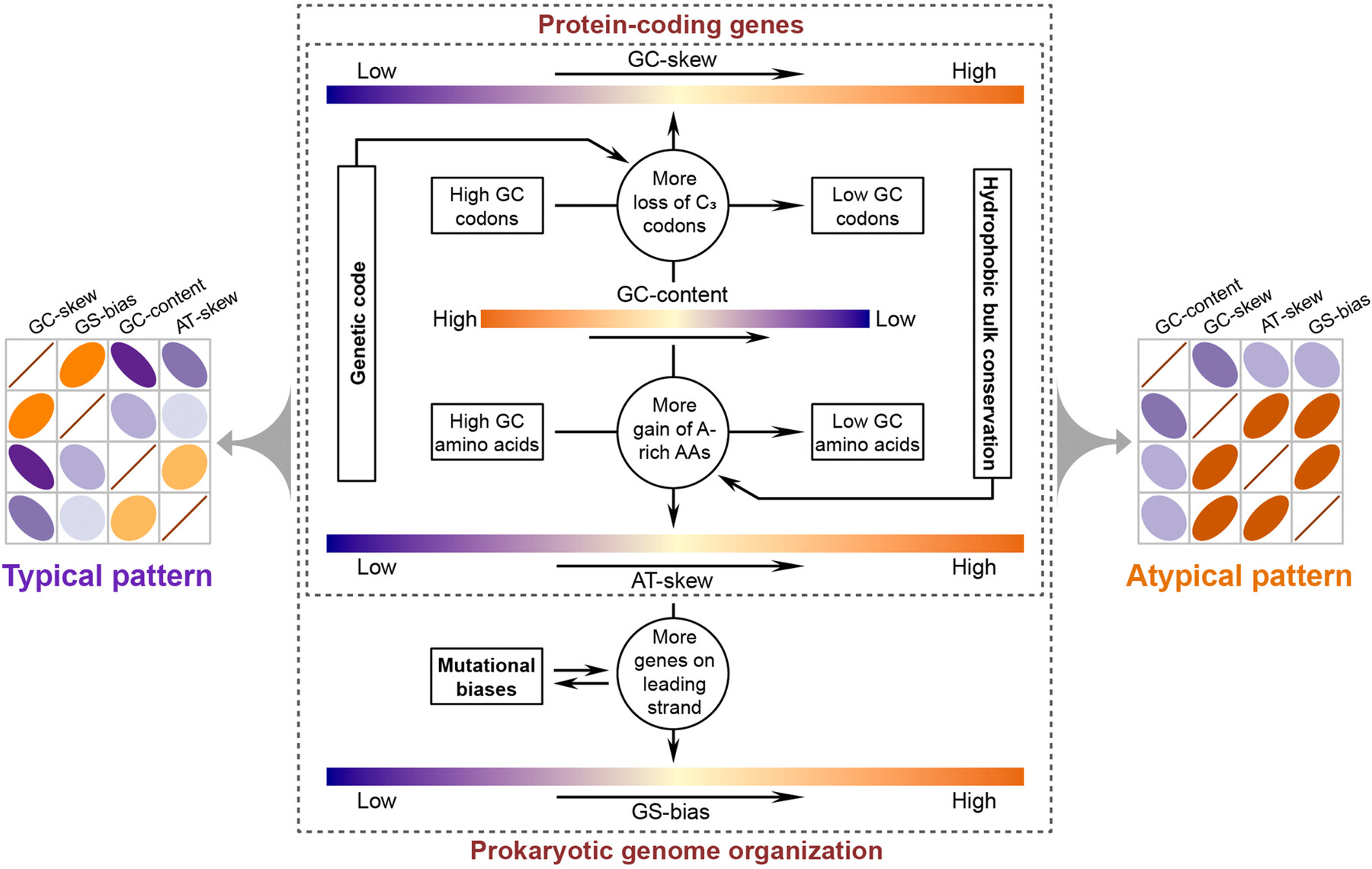
    Understanding how prokaryotic genomes coordinate nucleotide composition and gene distribution is a central yet unresolved question in genome evolution. Across different genomes, GC-content, nucleotide asymmetries, and biased gene distribution between replication strands are tightly associated, but existing explanations typically address only individual components and lack a unified causal framework. Here, by analyzing 4012 complete sequences, we show that the variation in GC-content, together with intrinsic constraints imposed by the genetic code and selection, can account for the coordinated evolution of GC-skew, AT-skew, and gene strand bias (GS-bias). We show that decreasing GC-content inevitably influences both synonymous codon usage and amino acid usage, thereby enforcing stronger GC- and AT-skews in coding genes and driving a shift between “typical” (GC-skew > 0, AT-skew < 0, and GS-bias > 0 in the leading strand) and “atypical” (GC-skew > 0, AT-skew > 0, and GS-bias > 0) modes of organization. Grounded in first principles, we propose an evolutionary framework that integrates previously proposed hypotheses. This framework explains why atypical organization emerges primarily in low-GC genomes, reveals that mutational biases likely evolved to accommodate the skew requirements of coding genes, and highlights the importance of internal constraints on prokaryotic genome evolution.
    The genome organization of 4218 prokaryotic representative genomes was analyzed, contributing to a mechanistic framework centered around the variation in GC-content. The variation in GC-content, together with intrinsic constraints imposed by the genetic code and selection, accounts for the coordinated evolution of nucleotide skews and gene strand distribution.
  • Jing-Yi Zhang, Man-Chun Liu, Zheng-Han Lian, Meng-Meng Li, Lei Gao, Yu-Ting Ouyang, Maite Ortúzar, Lan Liu, Nimaichand Salam, Jian-Yu Jiao, Wen-Jun Li
    J Syst Evol. 2026, 64(5): 963-973.
    https://doi.org/10.1111/jse.70112
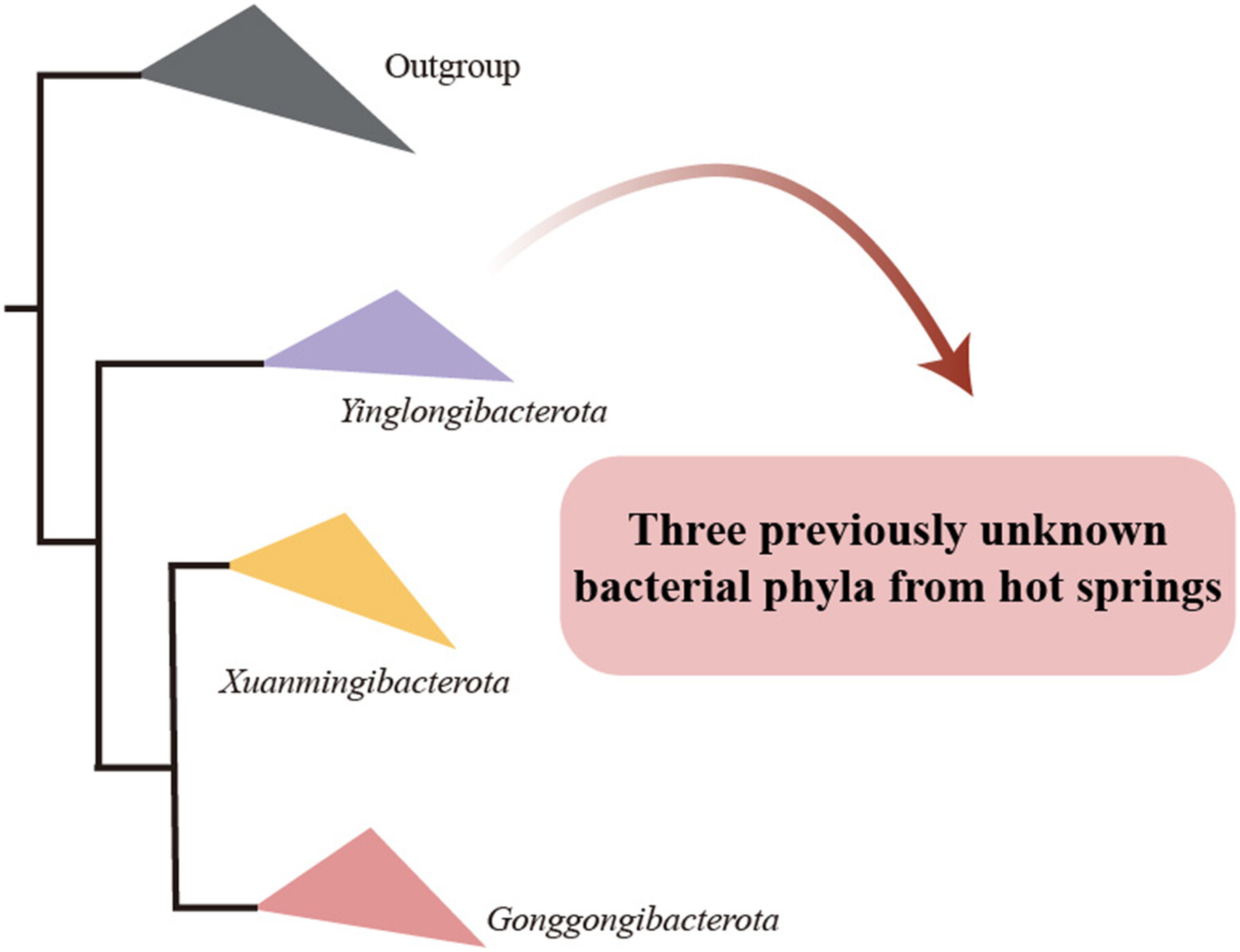
    Geothermal systems harbor abundant novel microorganisms, representing substantial phylogenetic and functional diversity among yet-to-be-cultivated bacteria with significant ecological roles. Nevertheless, research on the diversity, metabolic potential, and evolutionary history of these uncultured taxa remains limited. In this study, 19 metagenome-assembled genomes (MAGs) were recovered from hot springs in Tengchong, Yunnan Province. Phylogenetic analyses indicate that these MAGs form sister lineages to an existing clade, leading to their proposed classification within three novel phyla: Yinglongibacterota, Xuanmingibacterota, and Gonggongibacterota, named after figures from the traditional Chinese legend, Classics of Mountains and Seas. Sequence analysis of both hot spring-derived and published MAGs reveals that all three phyla exhibit similar facultative anaerobic lifestyles. Multiple substrates, including cellulose, glucan, pectin, and xylan, can be degraded by these phyla, especially Gonggongibacterota, suggesting their critical role in converting complex plant matter into more readily degradable substrates and contributing to sugar fermentation. Furthermore, the ability of these phyla to reduce selenite facilitates environmental detoxification. Notably, gene loss events have resulted in widespread auxotrophy for heme and biotin in these lineages, which may indicate microbial cross-feeding in the community as an adaptation strategy. These pioneering results provide a comprehensive overview of the taxonomic and metabolic characteristics of the three novel phyla, offering insights into their ecological significance and guiding future cultivation efforts.
    Metagenomic analyses of hot springs in Tengchong, Yunnan Province revealed three bacterial phyla: Yinglongibacterota, Xuanmingibacterota, and Gonggongibacterota, with diverse metabolic potential related to organic matter degradation, nitrogen metabolism, and environmental detoxification. Gene loss—driven auxotrophy and extensive transporter systems indicate potential cross-feeding strategies and provide clues for future cultivation.
  • Shuai Li, Xin-Ran Wang, Xu-Rui Li, Jia-Rui Han, Wen-Hui Lian, Jie Huang, Jun Liu, Wei Zhang, Yong-Hong Liu, Bao-Zhu Fang, Cui-Ping Tian, Lei Dong, Wen-Jun Li
    J Syst Evol. 2026, 64(5): 974-995.
    https://doi.org/10.1111/jse.70121
    The class Thermoleophilia represents a deep-branching lineage within the phylum Actinomycetota, and yet, its taxonomic diversity remains incompletely resolved due to the limited availability of cultured representatives and uneven integration of genome-resolved diversity. Here, we performed an integrative phylogenomic and taxonomic analysis of Thermoleophilia using three newly generated genomes derived from desert soils in Xinjiang, China, including two cultured isolate genomes and one metagenome-assembled genome (MAG), together with publicly available MAGs. Phylogenomic reconstruction based on conserved marker genes, overall genome relatedness indices (OGRIs), and 16S rRNA gene sequences revealed several well-supported lineages that expand the currently characterized diversity within the order Solirubrobacterales. Strain SYSU D00693T represents a novel family, genus, and species, for which the names Vescideserticolaceae fam. nov., Vescideserticola gen. nov., and Vescideserticola fastidiosus sp. nov. are proposed. Strain SYSU D01012T represents a novel species within the genus Patulibacter, designated Patulibacter desertihabitans sp. nov. Genome-based analyses further demonstrated that BS_bin.015, together with BP_457 and BP_458, forms a distinct lineage corresponding to the GTDB placeholder genus AC-38. Phylogenomic and comparative genomic evidence supports the proposal of Candidatus Sabulibiaceae fam. nov. and Candidatus Sabulibium gen. nov., comprising three candidate species-level lineages. Comparative genomic analyses further revealed lineage-associated variations in genomic functional potential among the analyzed genomes. Collectively, this study expands the currently characterized taxonomic diversity of Thermoleophilia and provides genomic insights into the diversity and evolutionary relationships of this underexplored bacterial class.
    Integrative phylogenomics, polyphasic taxonomy, and metagenomics expand the characterized taxonomic diversity of Thermoleophilia. Cultured and uncultivated lineages from desert soils in Xinjiang reveal diversity within Solirubrobacterales, including novel taxonomic groups and candidate lineages. Comparative genomic analyses further highlight lineage-associated variation in predicted genomic potential among members of Thermoleophilia.
  • Jicheng Yao, Daofeng Zhang, Yang Yuan, Pandeng Wang, Jialing Li, Wenjun Li
    J Syst Evol. 2026, 64(5): 996-1007.
    https://doi.org/10.1111/jse.70071
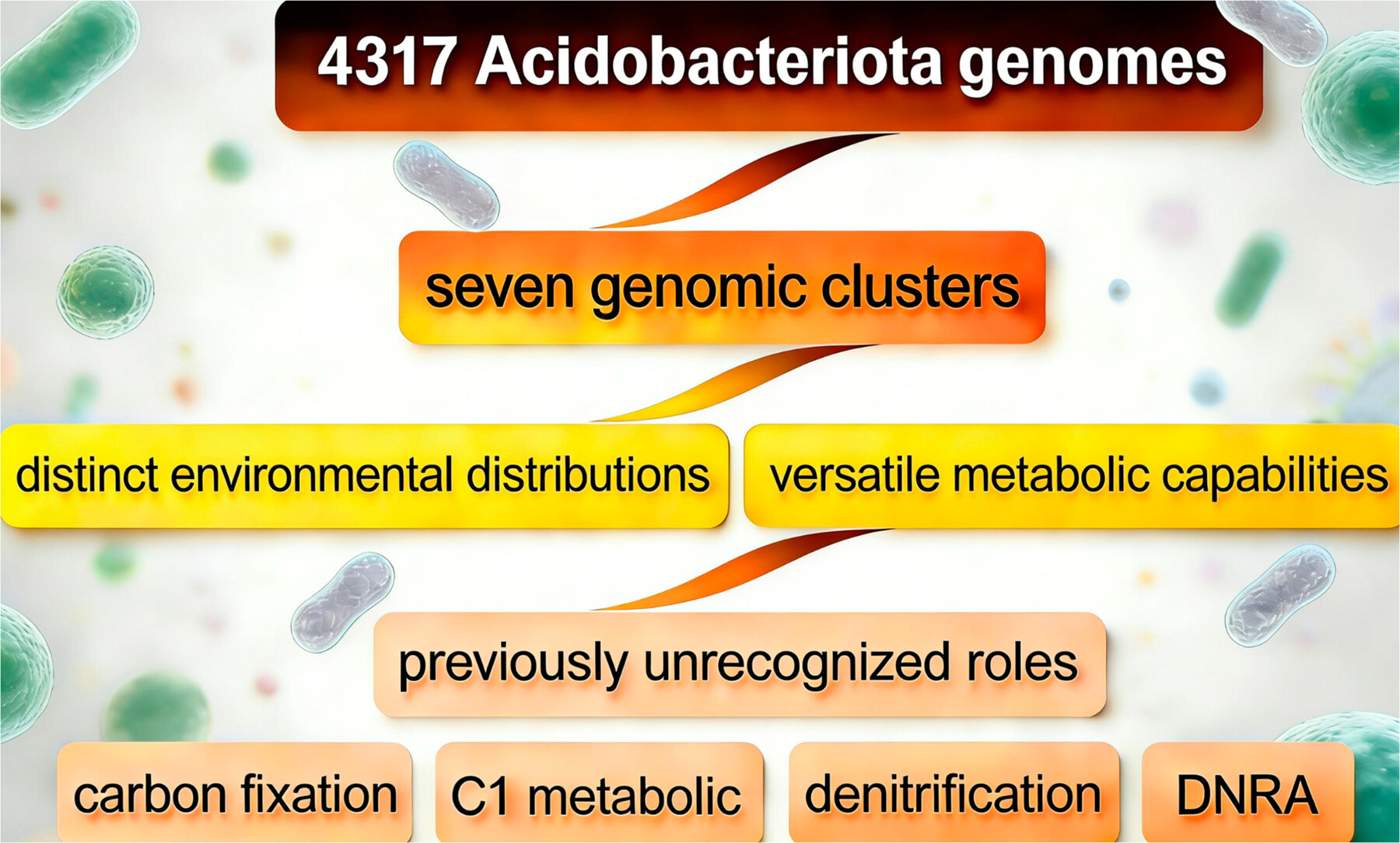
    Globally, the phylum Acidobacteriota is both extraordinarily widespread and abundant, playing indispensable roles in carbon, sulfur, and nutrient cycling. However, our comprehension is marked by a significant culture-based bias. Many of the newly reconstructed metagenome-assembled genomes (MAGs) represent uncultured lineages that remain substantially understudied, highlighting this gap. Concurrently, research on Acidobacteriota has been predominantly focused on soil environments, with a scarcity of studies in other environments. Here, we bridged this gap by compiling a genomic catalog of 4317 genomes. Protein content analysis, in conjunction with large-scale metabolic reconstructions, delineates seven genomic clusters of Acidobacteriota with unique metabolic profiles. Clusters 1 and 2 are soil-preferring, and clusters 3, 4, and 6 from various environments show diverse energy metabolism, including aerobic, facultatively anaerobic, anaerobic, and fermentative processes, and utilize a wide range of carbon substrates. Conversely, aquatic-preferring cluster 5 and cluster 7, derived from various environments, are strictly anaerobic, relying on nitrate/nitrite reduction or fermentation; also, cluster 5 has a limited carbon utilization range. Our analyses have also identified previously unrecognized roles in C1 metabolic pathways, the Calvin cycle, dissimilatory nitrate reduction to ammonium (DNRA), and denitrification among the uncultured Acidobacteriota, indicating that Acidobacteriota represent overlooked important functions involved in methylotrophy, CO oxidation, carbon fixation, and nitrogen cycling. These findings provide new insights into the metabolic diversity of Acidobacteriota, emphasizing their functional importance across diverse taxa and environments, and significantly expanding our understanding of these dominant, yet understudied bacteria.
    Analysis of 4,317 Acidobacteriota genomes revealed seven metabolic clusters with distinct habitat preferences and energy strategies and identified overlooked roles for uncultured lineages in C1 metabolism, carbon fixation, and nitrogen cycling, highlighting the phylum's underestimated functional importance in global biogeochemical cycles.
  • Pablo Arrufat, Noelia Hidalgo-Triana, Nazaret Keen, Jaime Francisco Pereña-Ortiz, Andrés V. Pérez-Latorre, Amaia Leunda-Esnaola, Alexandra García-Flórez, Vladimir R. Kaberdin, Filip Kolář, David López-Idiáquez, Peter B. Pearman
    J Syst Evol. 2026, 64(5): 1008-1024.
    https://doi.org/10.1111/jse.70120
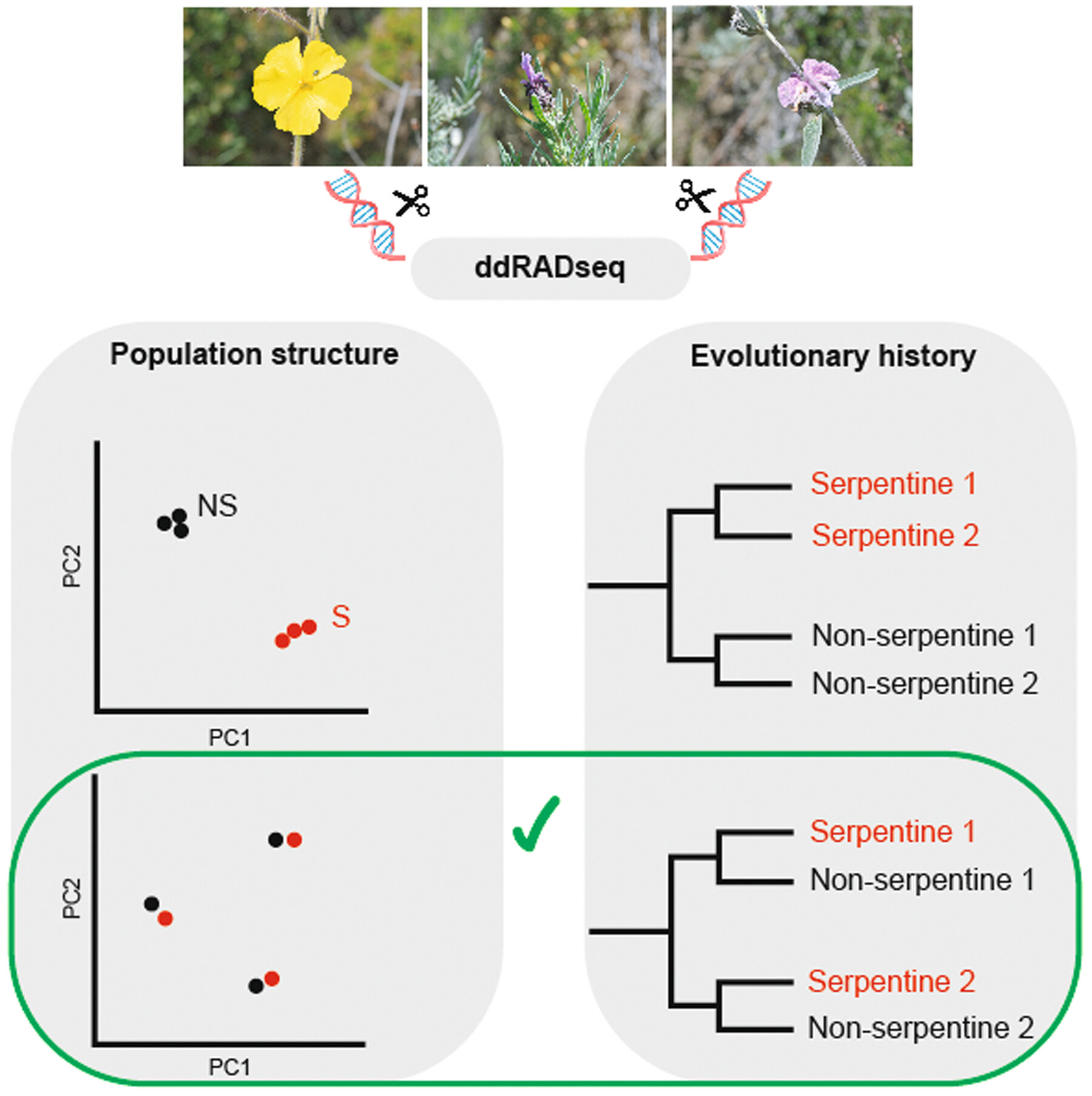
    Serpentine soils are characterized by high levels of heavy metals, low nutrient availability, and water scarcity, presenting significant ecological challenges for plant species. Soil variation associated with serpentine outcrops generates sharp environmental contrasts over short geographic distances, providing an opportunity for study of lineage divergence and population structure across a heterogeneous edaphic landscape. Here, we examine the evolutionary history of three often sympatric plant species, Lavandula stoechas L., Phlomis purpurea L. (both Lamiaceae), and Halimium atriplicifolium (Lam) Spach. (Cistaceae), which inhabit adjacent serpentine and non-serpentine habitat in the southern Iberian Peninsula. Using a comparative population genomic framework, we test whether serpentine populations represent distinct evolutionary lineages or parallel colonizations of this edaphic habitat, and to what degree genomic differentiation reflects both edaphic conditions and geographic isolation. Highly supported, maximum likelihood population phylogenies suggest repeated, parallel colonizations of serpentine habitat by all three species. The degree of isolation-by-distance and the geographic distribution of ancestral group membership in populations differ notably among these sympatric species. Demographic simulations revealed low to intermediate levels of recent, asymmetric gene flow, characterized by a directional genetic contribution from serpentine patches into adjacent non-serpentine populations, while genotype-environment associations identified potential candidate loci under edaphic selection. Significant variation in plant height among populations on differing soils represents environmentally associated phenotypic differentiation and suggests ecotypic differences, while the magnitude of this association varies among the species. Together, our results show that parallel radiation to serpentine habitat, population ancestry, isolation-by-distance and ongoing gene flow contribute differentially to population genomic structure in these three species.
    Comparing genomic and phenotypic patterns in three diploid plant species co-occurring in serpentine and adjacent non-serpentine habitats in the southern Iberian Peninsula reveals repeated, parallel colonization of serpentine habitats, with species-specific isolation-by-distance, population ancestry, and phenotypic differentiation, highlighting contrasting evolutionary histories across a heterogeneous edaphic landscape despite local sympatry.
  • Yiru Wang, Ying Chen, Da Kang, Zhongyi Yao, Yin Qi, Zhenxin Fan, Jinzhong Fu, Weizhao Yang
    J Syst Evol. 2026, 64(5): 1025-1038.
    https://doi.org/10.1111/jse.70070
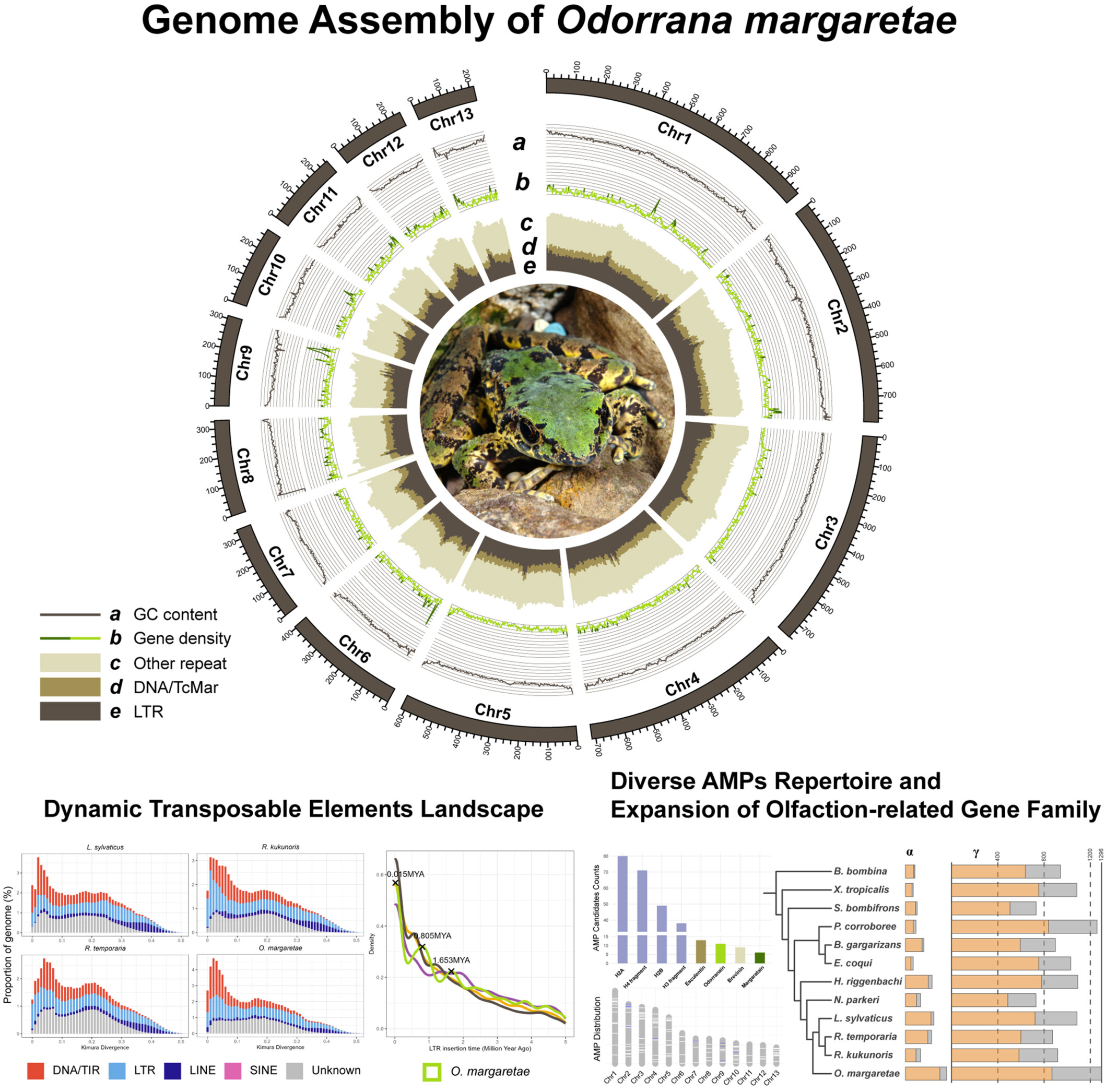
    The green odorous frog (Odorrana margaretae) represents an excellent model system for investigating the genetic basis of anuran skin secretions. Here, we report a chromosome-level genome assembly comprising 13 chromosomes with a total size of 6.20 Gb. Within this large genome, approximately 4.78 Gb (77.01%) consists of repetitive elements, with evidence of recent rapid expansions of DNA transposons and long terminal repeats (LTRs). Comparative gene family analyses identified 154 significantly expanded gene families in the green odorous frog, predominantly associated with innate immune functions. Targeted data mining revealed a diverse repertoire of antimicrobial peptides (AMPs), characterized by a massive expansion of histone-derived AMP copies organized into large tandem clusters. Additionally, the genome harbors an extensive array of olfaction-related genes, including 1035 functional olfactory receptor (OR) genes, with notable expansions in the α and γ subfamilies responsible for detecting airborne odors; transposable elements (TEs) are significantly enriched in the flanking regions of these OR genes. The species also shows a signature of tandem duplication in trace amine-associated receptor 2 (TAAR2) genes. Collectively, these findings suggest enhanced capabilities in odor detection and chemical communication, likely linked to its skin secretions. This high-quality reference genome provides a foundation for future studies on the genetic regulation of potent skin secretions in this species and other amphibians.
    A 6.20 Gb chromosome-level genome assembly for Odorrana margaretae (13 chromosomes shows high repetitive content (77.13%) driven by recent bursts of transposon activity. The genome features a diverse AMP repertoire and 1035 olfactory receptors, including expansions in α and γ subfamilies for airborne odor detection and TAAR2 tandem duplications.
  • Zheng Fan, Lu‐Yu Wang, Zhi Li, Tian‐Yu Ren, Bing Tan, Wei Pu, Wen‐Hui Wu, Jun‐Han Xiong, Ling‐Xin Cheng, Jin‐Xia Kong, Bin Luo, Zi‐Zhong Yang, Chao Tong, Zhi‐Sheng Zhang
    J Syst Evol. 2026, 64(5): 1039-1050.
    https://doi.org/10.1111/jse.70104
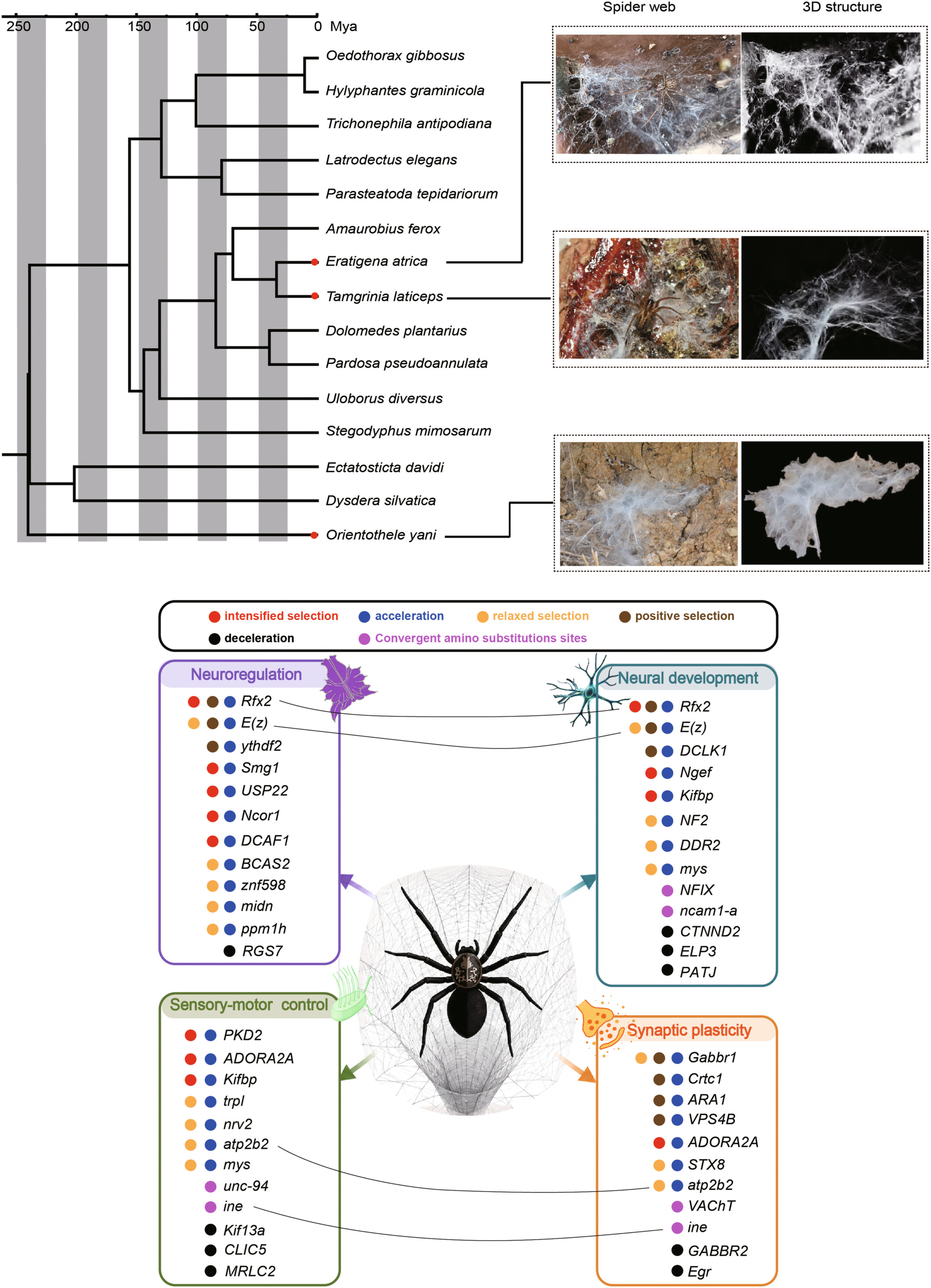
    Spiders exhibit diverse and intricate web‐building behaviors, which represent a classic model for studying the evolution of complex traits. Funnel‐web architectures occur in several distantly related spider lineages, including Agelenidae and Macrothelidae, suggesting possible convergent evolution of funnel‐web‐associated traits. This repeated emergence provides an example of convergent funnel‐web building behavior. Here, we generated a chromosome‐level genome assembly for the agelenid spider Tamgrinia laticeps. Using comparative genomic analyses across 15 spider species with diverse web types, we identified genomic patterns potentially associated with funnel‐web‐associated behaviors. Numerous genes exhibited convergent shifts in selective pressure, signals of positive selection, or convergent amino acid substitutions. These candidate genes were enriched in functions related to synaptic transmission (e.g., Gabbr1, Crtc1), neural development and neuroregulation (e.g., Rfx2, E(z)), and sensory‐motor control (e.g., PKD2, ADORA2A). In addition, convergent amino acid substitutions were detected in several neural and motor‐related genes (e.g., VAChT, ine), which exhibited shared substitutions across all three funnel‐web building species. This study provides new insights into the genomic basis of behavioral convergence in spiders.
    A chromosome-level genome assembly of the agelenid spider Tamgrinia laticeps and comparative genomic analyses across 15 spider species identified convergent evolutionary signals associated with funnel-web-associated traits that were enriched in genes involved in synaptic transmission, neural development and neuroregulation, and sensory-motor control.
  • Qianqian Li, Pu Zou, Chao Feng, Tianyu Yang, Xianliang Zhu, Jian Zhou, Lihua Yang, Ming Kang
    J Syst Evol. 2026, 64(5): 1051-1064.
    https://doi.org/10.1111/jse.70075
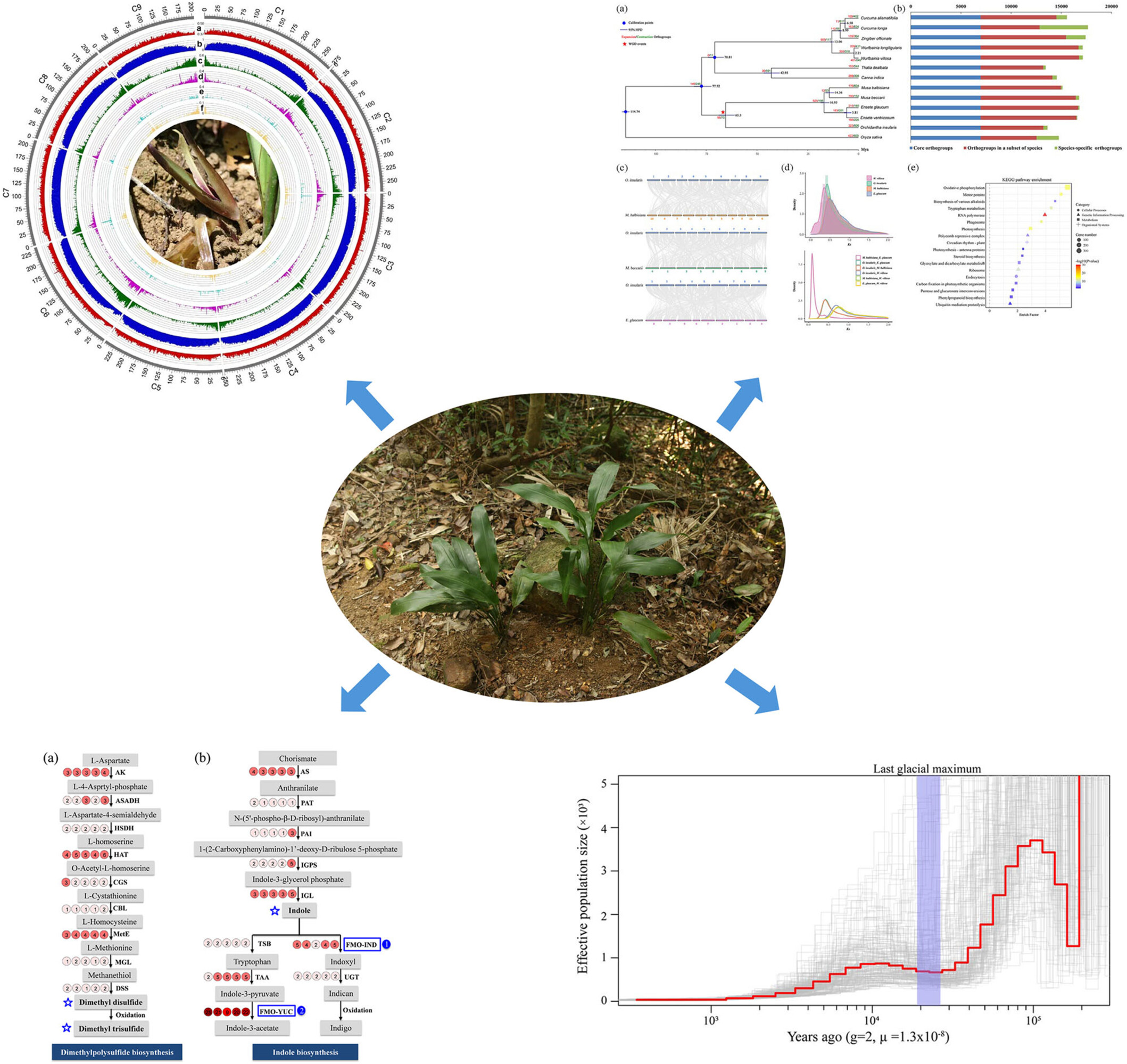
    Orchidantha, the sole genus in the family Lowiaceae (Zingiberales), shows distinctive, orchid-like flowers that emit a carrion-like scent, attracting dung beetles for pollination. Despite their ecological and ornamental value, many Orchidantha species are endangered and face an elevated risk of extinction. Here, we present the first chromosome-scale genome assembly of the endangered Orchidantha insularis from Hainan Island. The 2.24 Gb genome was assembled into nine pseudochromosomes, and 31 541 protein-coding genes were annotated. Phylogenomic analysis places O. insularis within the “banana group” of Zingiberales and indicates divergence from Musaceae approximately 65 Ma, following a shared recent whole-genome duplication (WGD). We identify significant expansions in gene families related to photosynthesis and carbon fixation, consistent with adaptation to low-light tropical understory habitats. Our analysis uncovers the genetic basis of the carrion-like floral scent in O. insularis by revealing complete biosynthetic pathways for dimethyl disulfide (DMDS) and indole. In parallel, the expansions of flavin-containing monooxygenase (FMO) genes and signatures of positive selection reinforce indole metabolism, which links floral scent production to both adaptation and defense. Whole-genome resequencing of population samples revealed high genetic differentiation and low nucleotide diversity. Demographic inference indicates severe Pleistocene bottlenecks, followed by continued population decline. Together, these results provide a genomic foundation for understanding genome evolution in early-diverging Zingiberales and inform conservation and horticultural use.
    Phylogenomics based on a chromosome-scale genome of Orchidantha insularis (Lowiaceae) places it in the Zingiberales and supports a recent whole-genome duplication. Expanded and positively selected FMO genes, together with DMDS and indole pathways, underlie its carrion-like floral scent. Population genomics reveals strong differentiation, low genetic diversity, and severe Pleistocene bottlenecks.
  • Chao Li, Yi-Wei Luo, Han Xiao, Hui Zhang, Shi-Ting Huang, Jie Li, Wei-Tao Chen, Jun Zhao
    J Syst Evol. 2026, 64(5): 1065-1081.
    https://doi.org/10.1111/jse.70042
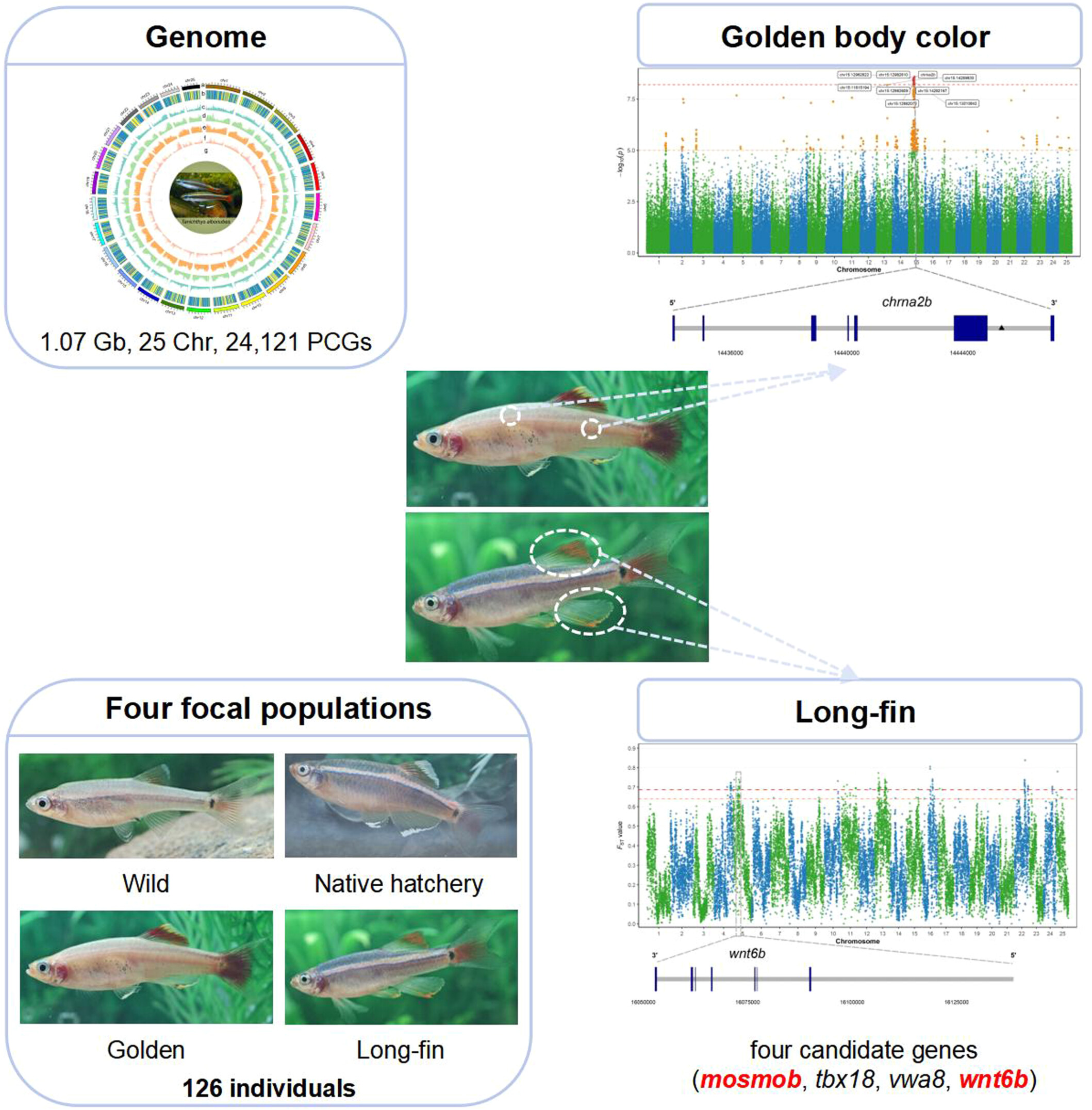
    Understanding the genetic basis of phenotypic diversity is fundamental to evolutionary biology and selective breeding. The White Cloud Mountain minnow (Tanichthys albonubes) is a renowned ornamental fish, yet the genomic basis of its prized ornamental traits (e.g., golden body color and long-fin) remains poorly understood. Here, we present a high-quality chromosome-level genome assembly for T. albonubes, which has a size of 1067.12 Mb with contig and scaffold N50 values of 5.65 Mb and 41.71 Mb, respectively. A total of 1036.50 Mb (97.13%) was anchored into 25 pseudo-chromosomes. The genome is highly repetitive (53.48% repetitive sequences) and encodes 24 121 protein-coding genes. Based on this reference genome and whole genome resequencing data of 126 individuals from four populations (one wild population, one native hatchery population, golden strain and long-fin strain), we revealed that the golden strain originated directly from the native hatchery stock, while the long-fin strain was derived from a distinct wild lineage. By integrating window-based pairwise FST scans with GWAS analysis, we demonstrated that the golden body color is a monogenic trait, with chrna2b on chromosome 15 as a prime candidate. In contrast, we found fin elongation is a polygenic trait and identified four candidate genes (mosmob, tbx18, vwa8, wnt6b) and the hedgehog signaling pathway underpinned this long-fin phenotype. Our study provides fundamental genomic resources and unveils the genetic architecture underlying two striking ornamental traits of T. albonubes, offering crucial insights for its further selective breeding and conservation.
    Examining a chromosome-level genome assembly of Tanichthys albonubes and resequencing of 126 individuals traces the golden strain to the native hatchery population and finds golden color is a monogenic trait on chromosome 15. Long-fin is a polygenic trait with significant enrichment in hedgehog signaling, derived from a distinct wild lineage.
  • Xin-Yu Liu, Zhi-Xiang Zhang, Ya-Jing Cheng, Zhi-Qing Xue, Li He
    J Syst Evol. 2026, 64(5): 1082-1097.
    https://doi.org/10.1111/jse.70081
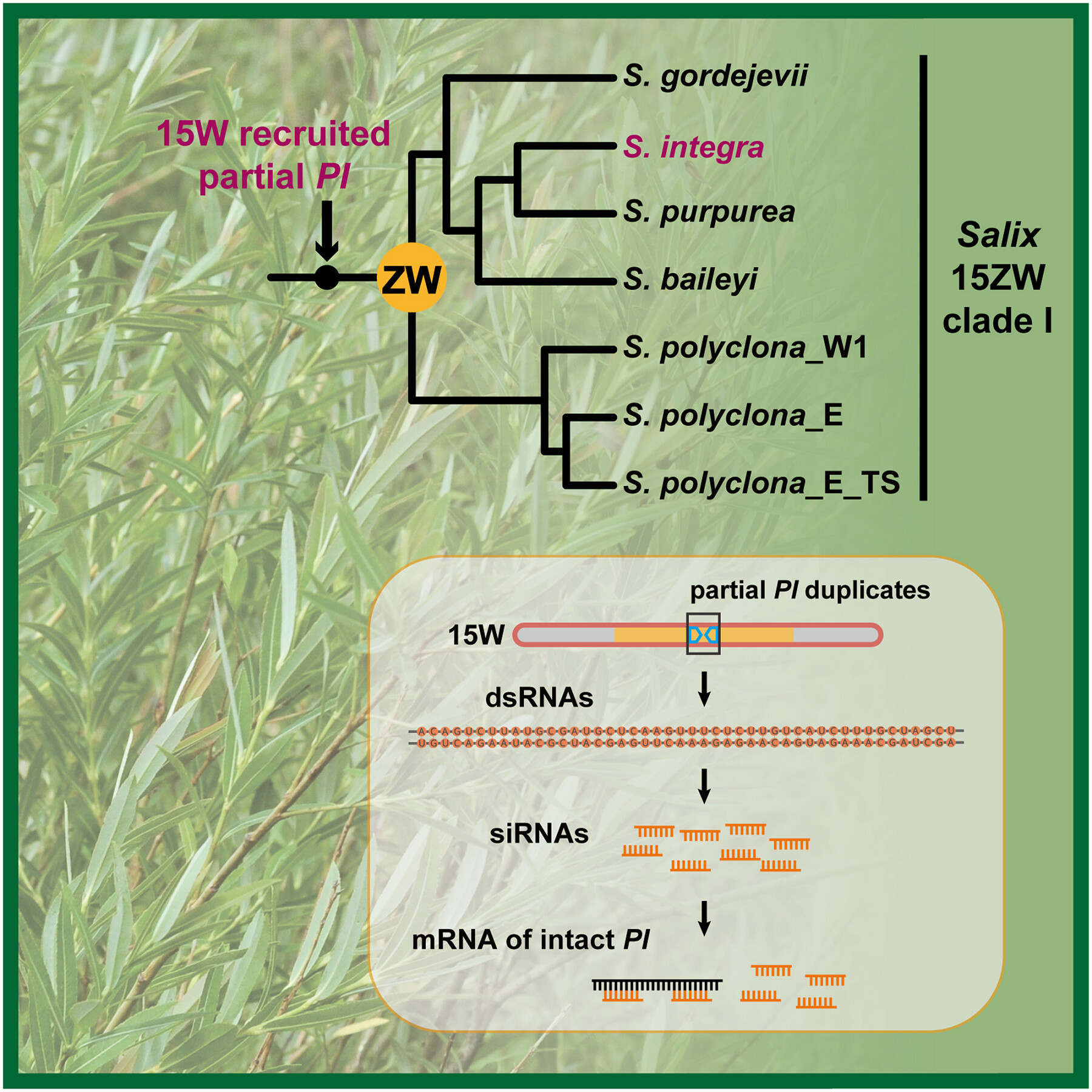
    Sex chromosomes frequently undergo turnover through the recruitment of new sex-determining genes or translocation of ancestral genes. This phenomenon is particularly evident in Salix (Salicaceae). In Populus, the sister genus of Salix, a partial-ARR17-based sex-determination mechanism has been reported, and is also found in several Salix species. In Vetrix 15ZW clade I of Salix, species share a female heterogamety system on chromosome 15. A partial-PI (PISTILLATA)-based mechanism has been proposed for several species in this clade, except for Salix purpurea, which appears to use a two-gene model involving ARR17 and GATA15. To further investigate the evolution of sex-determining factors in this clade, we assembled a high-quality, haplotype-resolved genome of Salix integra, a close relative of S. purpurea. Based on resequencing data from males and females, we identified W and Z-linked regions located in pericentromeric regions on chromosome 15, consistent with those reported in other Salix species. Comparative analyses showed that S. integra possesses a partial-PI-based mechanism, supporting the hypothesis that PI sequences were recruited in the ancestor of 15ZW clade I, whereas the ancestor of S. purpurea recruited a two-gene model later. Together, these results advance our understanding of the relationship between sex-determining plasticity and sex chromosome evolution in plants.
    Sex chromosomes in willows show frequent turnover across lineages. To clarify the evolution of the ZW system in 15ZW clade I, analysis of a haplotype-resolved genome of Salix integra revealed conserved sex-linked regions and a partial-PI-based mechanism on chromosome 15.
  • Resource Article
  • Yi Wang, Meng Yan, Pingli Xie, Jinyin Xing, Dongming Fang, Xianzhi Wang, Shilai Zhang, Yujiao Zhang, Tong Wei, Xing Guo
    J Syst Evol. 2026, 64(5): 1098-1115.
    https://doi.org/10.1111/jse.70108
    Canavalia gladiata (Jacq.) DC. is a leguminous crop notable for its high protein content and oil rich in unsaturated fatty acids, positioning it as a valuable genetic resource for the diversification and nutritional improvement of legume species. Here, we report a gap-free telomere-to-telomere (T2T) genome assembly of C. gladiata and perform phylogenomic analyses to reconstruct its evolutionary history. Integrative transcriptomic and metabolomic profiling further revealed the transcriptional regulatory networks underlying the biosynthesis of key nutritional metabolites, including amino acids and lipids. These findings lay a foundation for accelerating molecular breeding for improved nutritional quality in C. gladiata. The T2T assembly and multi-omics resources presented herein serve as valuable references for comparative genomics and the genetic improvement of legume crops.
    Phylogenetic analysis using a telomere-to-telomere (T2T) genome assembly of the stress-tolerant legume Canavalia gladiata resolves its evolutionary history, and integrating transcriptomic and metabolomic profiling reveals regulatory networks governing amino acid and lipid biosynthesis, thereby providing a foundation for comparative genomics and genetic improvement of legumes.
  • Zhen-Zhen Liu, Qing Xu, Yu-Qing Han, Yan-Feng Song, Hao-Sheng Liu, Da-Yong Zhang, Wei-Ning Bai, Bo-Wen Zhang
    J Syst Evol. 2026, 64(5): 1116-1125.
    https://doi.org/10.1111/jse.70095
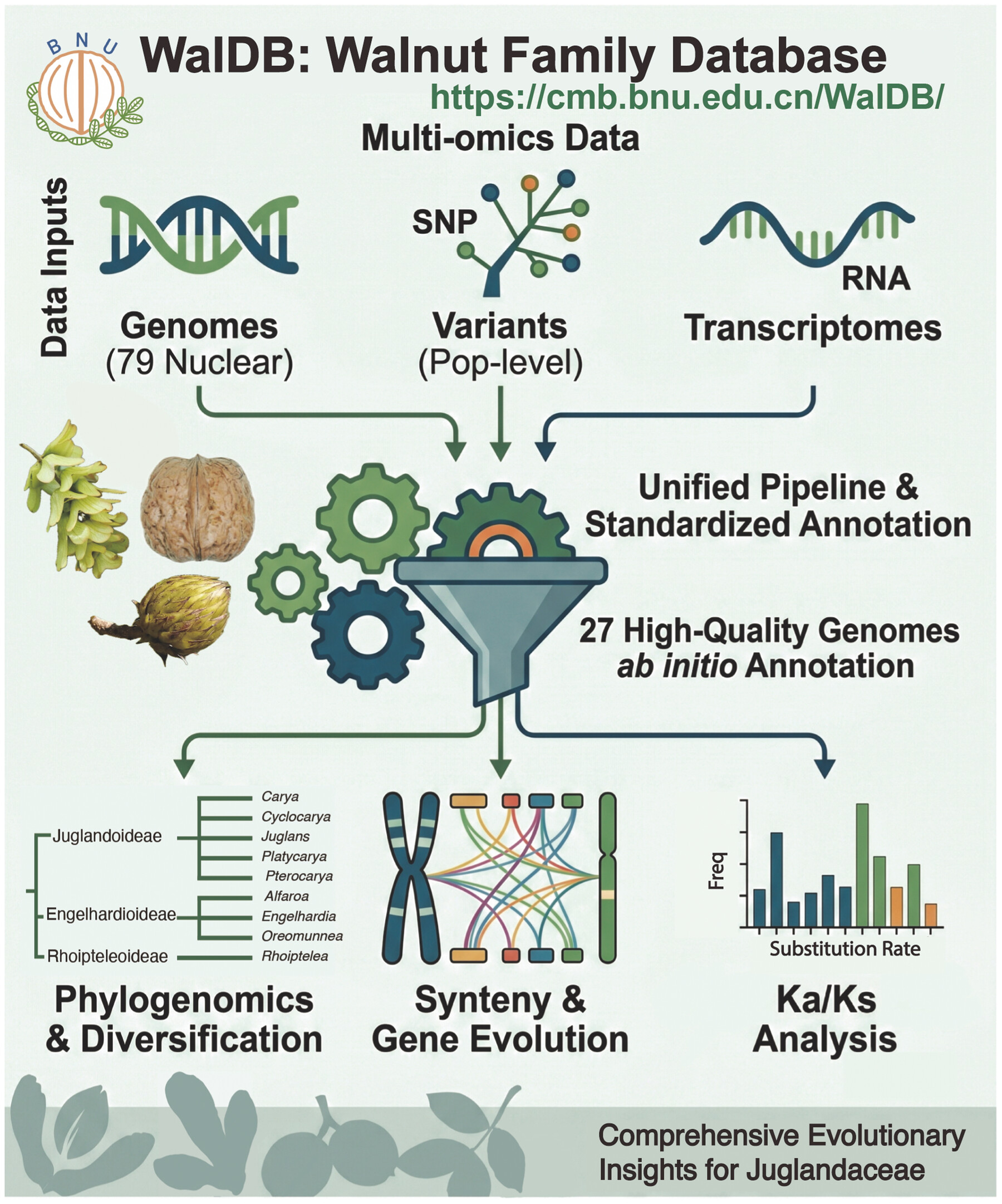
    Juglandaceae (the walnut family) comprises nine genera with deep evolutionary history and substantial ecological and economic importance; yet, available genomic resources remain fragmented, taxonomically incomplete, and inconsistently annotated. Here, we present Walnut Family DB (WalDB; https://cmb.bnu.edu.cn/WalDB/), a clade‐wide multi‐omics database specifically developed for evolutionary and comparative genomic research in Juglandaceae. WalDB integrates 79 nuclear genome assemblies, 170 chloroplast genomes, 22 mitochondrial assemblies, population‐level variant data sets (SNP and SV VCF files from 10 projects), and transcriptomic resources from six projects and 19 studies. Organized into six interactive modules, the platform enables family‐wide exploration of genome structure, gene evolution, and functional divergence. Importantly, to improve cross‐species comparability, we generated standardized ab initio annotations for 27 high‐quality genomes with a unified pipeline, thereby minimizing annotation biases that often hinder comparative analyses across data sets produced by different studies. Integrated tools further support ortholog identification, synteny visualization, co‐expression and enrichment analyses, and Ka/Ks‐based genomic distances' calculation. By combining broad taxonomic coverage with standardized annotation and evolutionary analysis tools, WalDB provides a comprehensive and scalable resource for investigating genome evolution, adaptation, and phylogenetic diversification in Juglandaceae.
    WalDB is a comprehensive multi-omics database for the walnut family (Juglandaceae), integrating genome, transcriptome, and population-level variant data with diverse analytical tools. By applying a unified ab initio annotation pipeline to 27 high-quality genomes, the platform minimizes analytical biases and ensures reliable cross-species comparability.
  • Letter to the Editor
  • Qi Liu, Xiaolu Han, Yue Song, Hong Zhang, Wenping He, Xiao Xiang, Hanchang Sun, Li Li, Karsten Kristiansen, Zengbao Yuan
    J Syst Evol. 2026, 64(5): 1126-1130.
    https://doi.org/10.1111/jse.70113
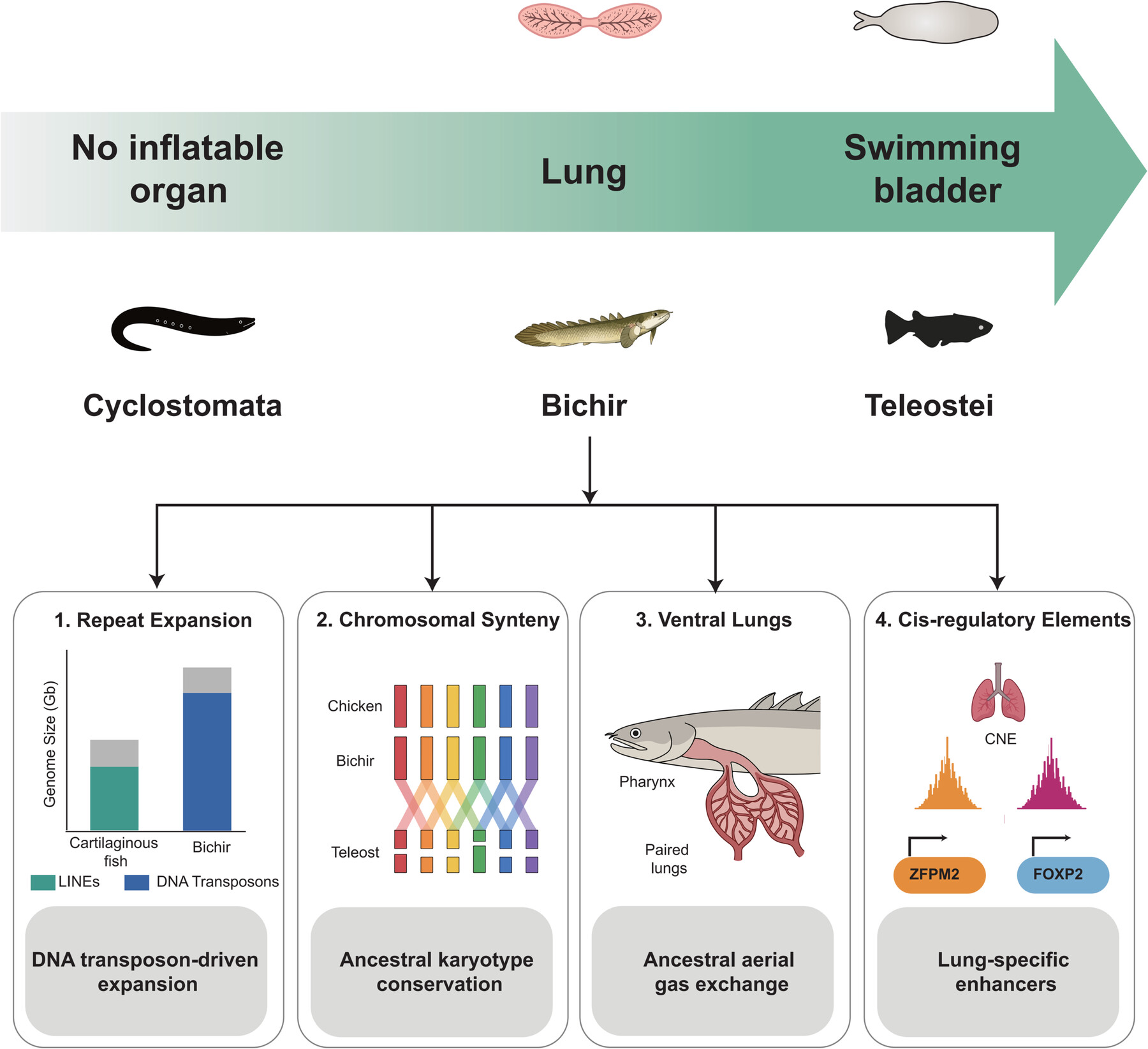
    A genome-scale analysis of two bichir species reveals a conserved karyotype that recapitulates the ancestral bony vertebrate architecture. Massive DNA transposon expansions, rather than LINEs, may drive their large genomes. Lung-vertebrate-specific conserved non-coding element insertions near key developmental genes suggest that local regulatory innovations contributed to the origin of lungs.
  • Chenlong Fu, Meng Li, Zhuangwei Hou, Xiangui Yi, Junjie Yin, Wenjie Yang, Xianrong Wang, Zefu Wang
    J Syst Evol. 2026, 64(5): 1131-1136.
    https://doi.org/10.1111/jse.70086
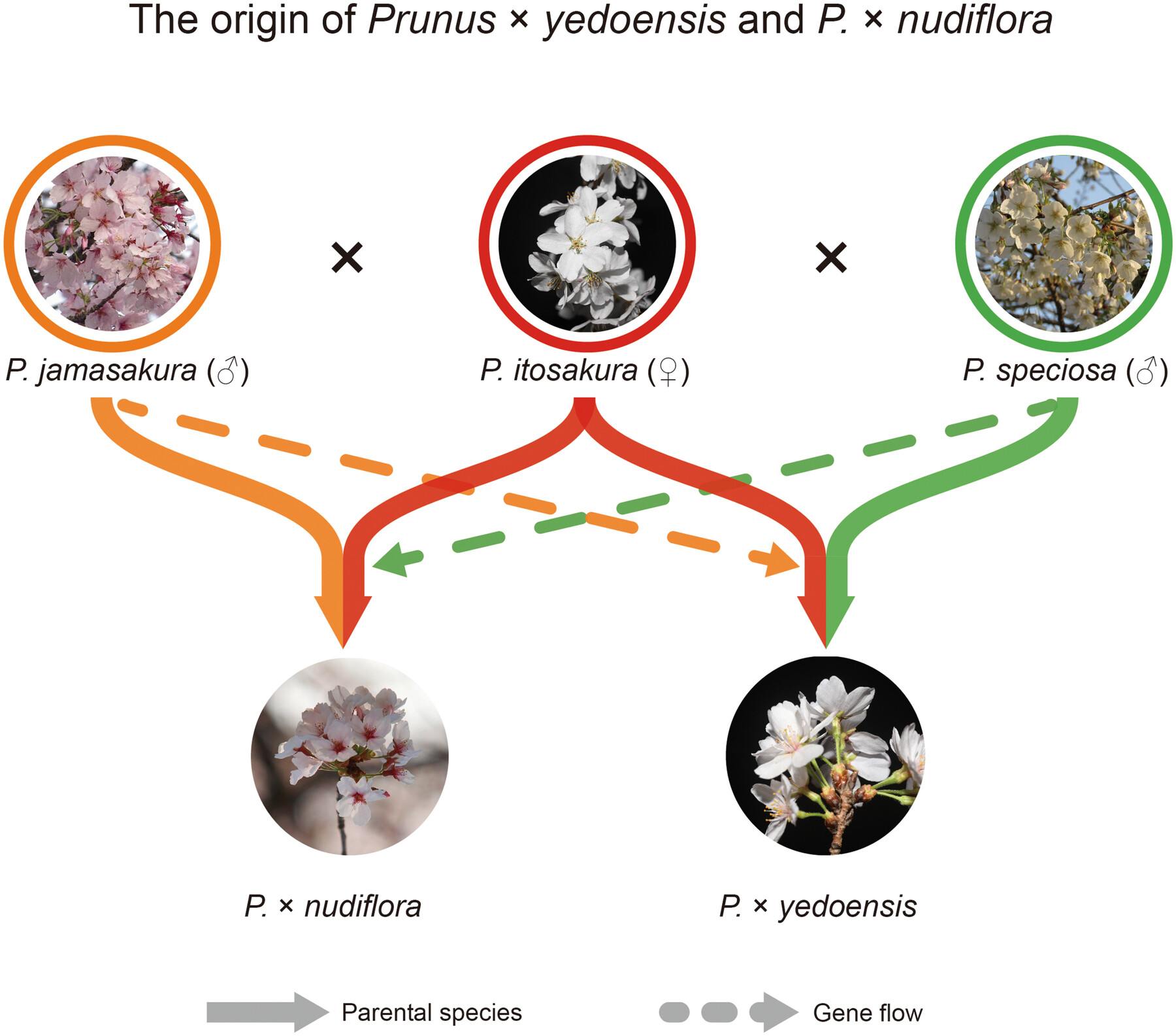
    Prunus × yedoensis and P. × nudiflora are morphologically similar but arose from independent hybridizations that share P. itosakura as the maternal parent but have distinct paternal donors and show evidence of asymmetric introgression, highlighting the importance of distinct parental combinations and differential gene flow in shaping reticulate evolutionary patterns.
  • Tu Feng, Hao He, Xiang Wang, Xian-Hui Shao, Xin-Yi Yu, Yu-Tong Hu, Zhen Zhang, Jia-Qing Hou, Yi Shi, Xiao-Yu Jiang, Yan Yu
    J Syst Evol. 2026, 64(5): 1137-1142.
    https://doi.org/10.1111/jse.70101
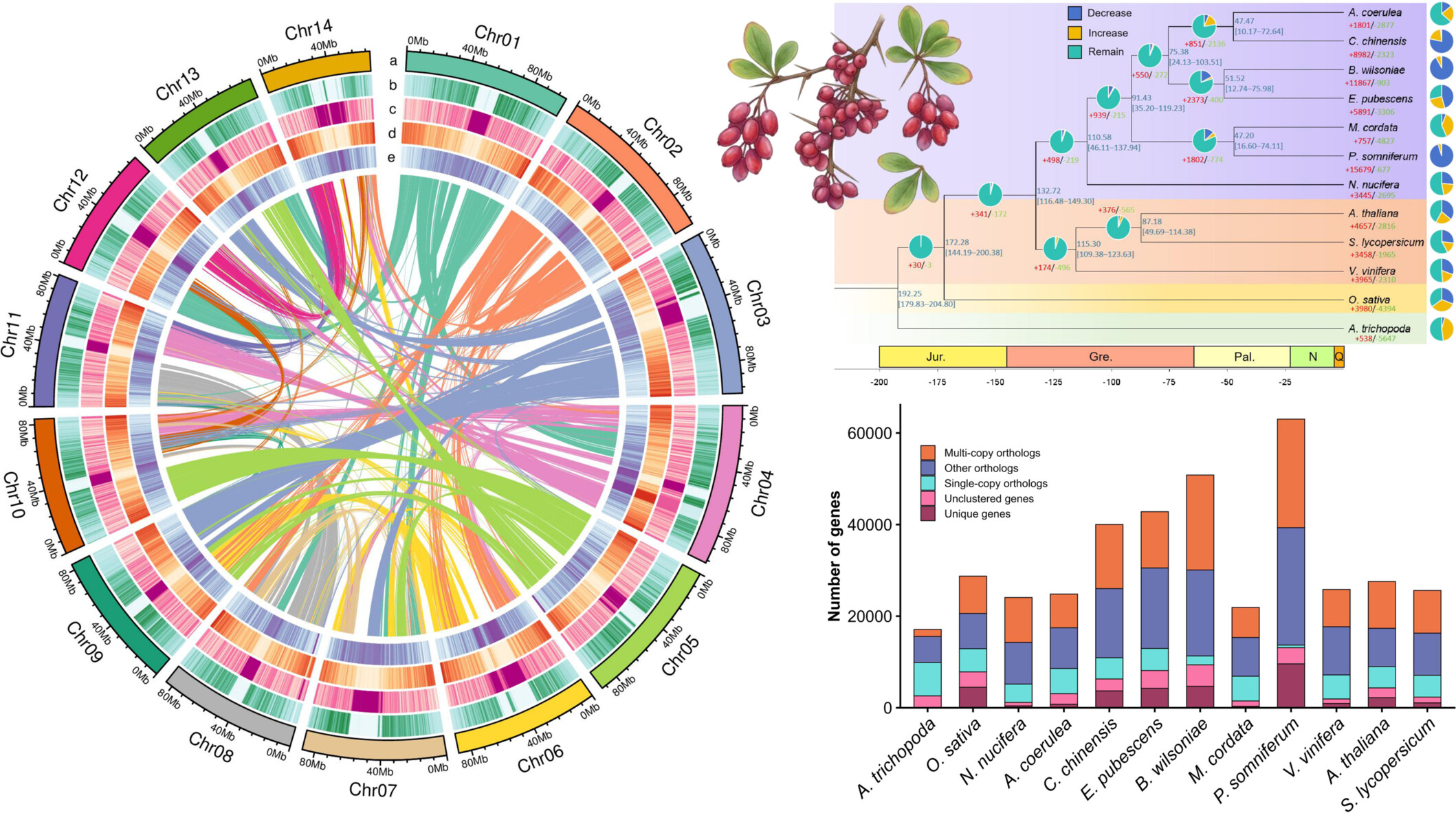
    This chromosome-scale genome of Berberis wilsoniae provides a resource for studying benzylisoquinoline alkaloid-related genes. Comparative genomics, alkaloid profiling, and transcriptomic analyses reveal lineage-specific gene remodeling and highlight root-biased berberine-related metabolism in this medicinal species, establishing a basis for studying specialized metabolism and evolutionary genomics in Berberidaceae and Ranunculales.
  • Chao-Qiang Zhang, Meng-Yue Wang, Rui-Feng Yang, Dong-Zhi Zhang, Li Cao, Jing-Ting Shen, Jing-Long Li, Chien-Hsun Huang
    J Syst Evol. 2026, 64(5): 1143-1147.
    https://doi.org/10.1111/jse.70100
    A chromosome-level genome of Wikstroemia monnula (1.32 Gb, 18 chromosomes) contains 61 cellulose synthase/cellulose synthase—like genes, which expanded through dispersed duplication and are largely under purifying selection. Collinearity and Ks analyses suggest a recent lineage-specific whole-genome duplication.
  • Xinrui Han, Caiyu Lu, Shixiu Zhang, Ting Liu, Liqiang Meng, Yalong Liu, Jianyu Jiao, Lan Liu, Wenjun Li, Bin Ma
    J Syst Evol. 2026, 64(5): 1148-1155.
    https://doi.org/10.1111/jse.70122
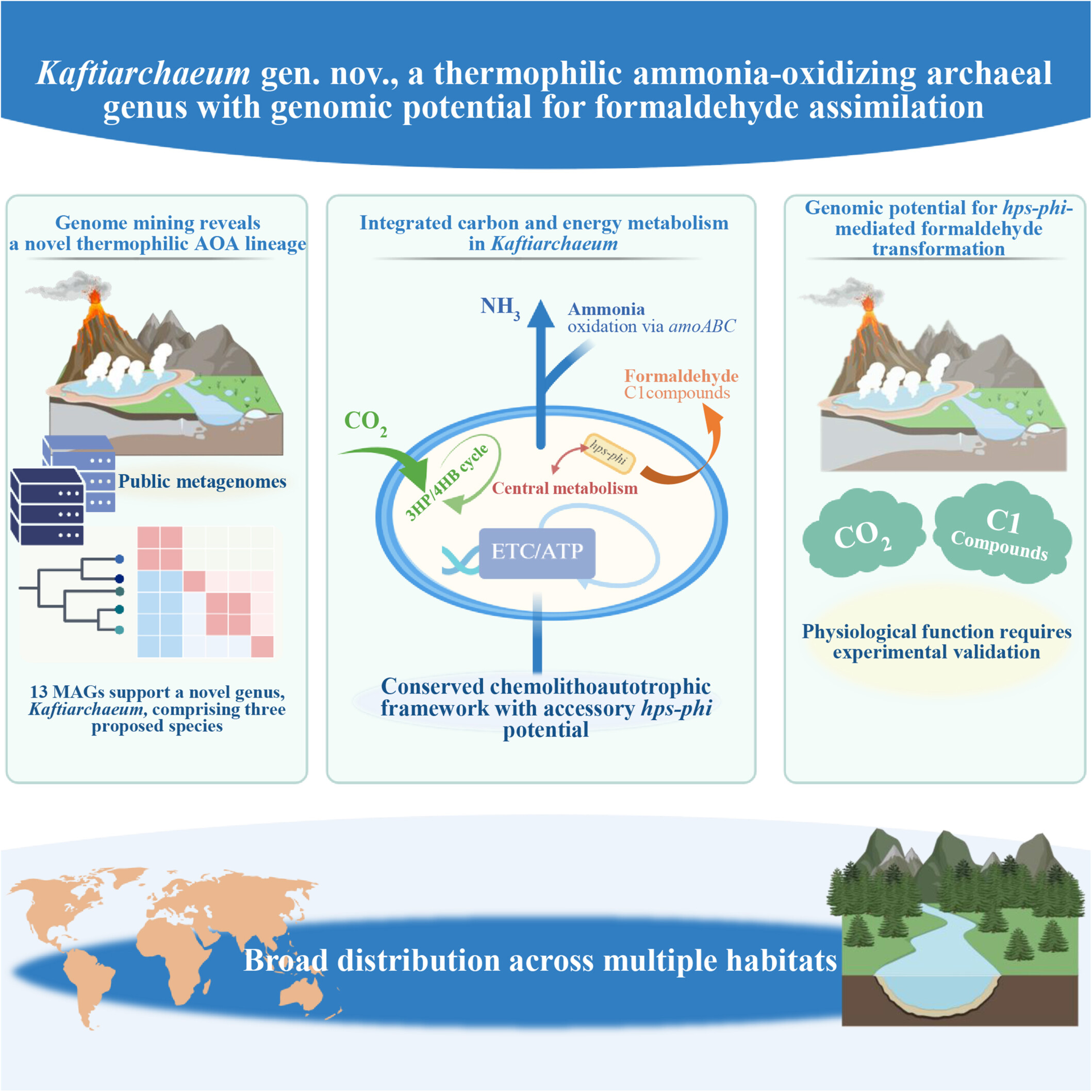
    Analysis of 13 metagenome-assembled genomes revealed Kaftiarchaeum gen. nov., a thermophilic ammonia-oxidizing archaeal lineage comprising three proposed species with genomes that encode conserved ammonia oxidation and 3HP/4HB carbon fixation pathways and variable hps-phi genes, indicating potential formaldehyde assimilation.